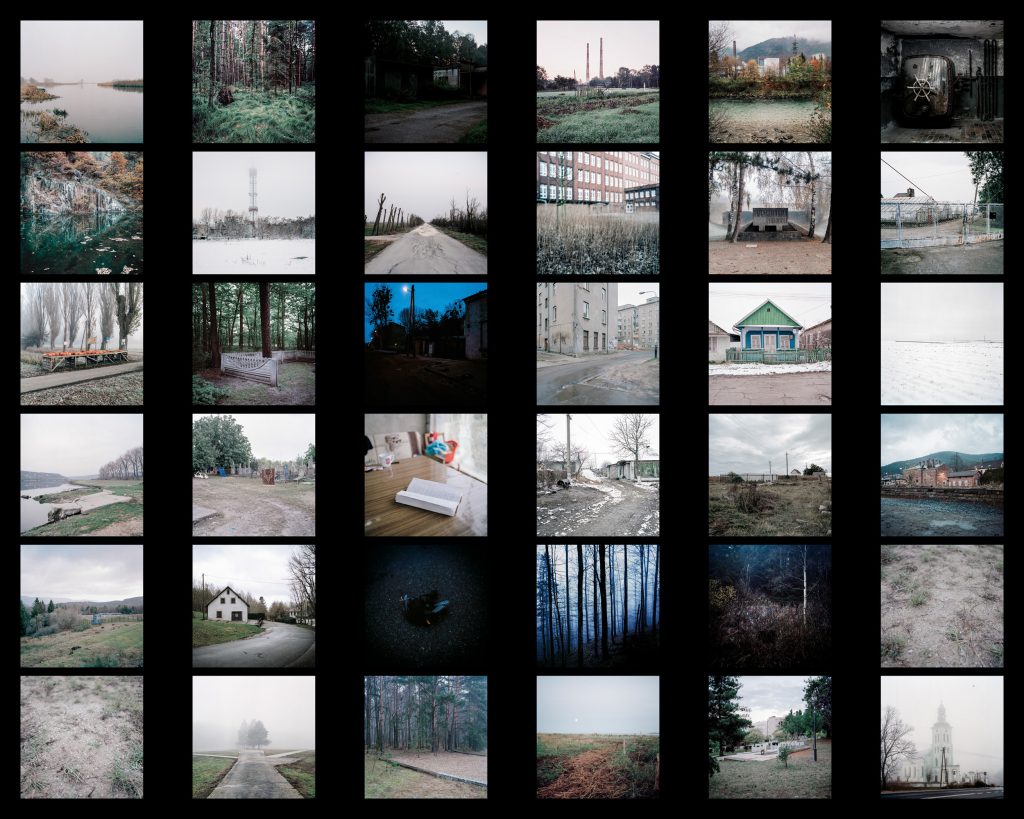
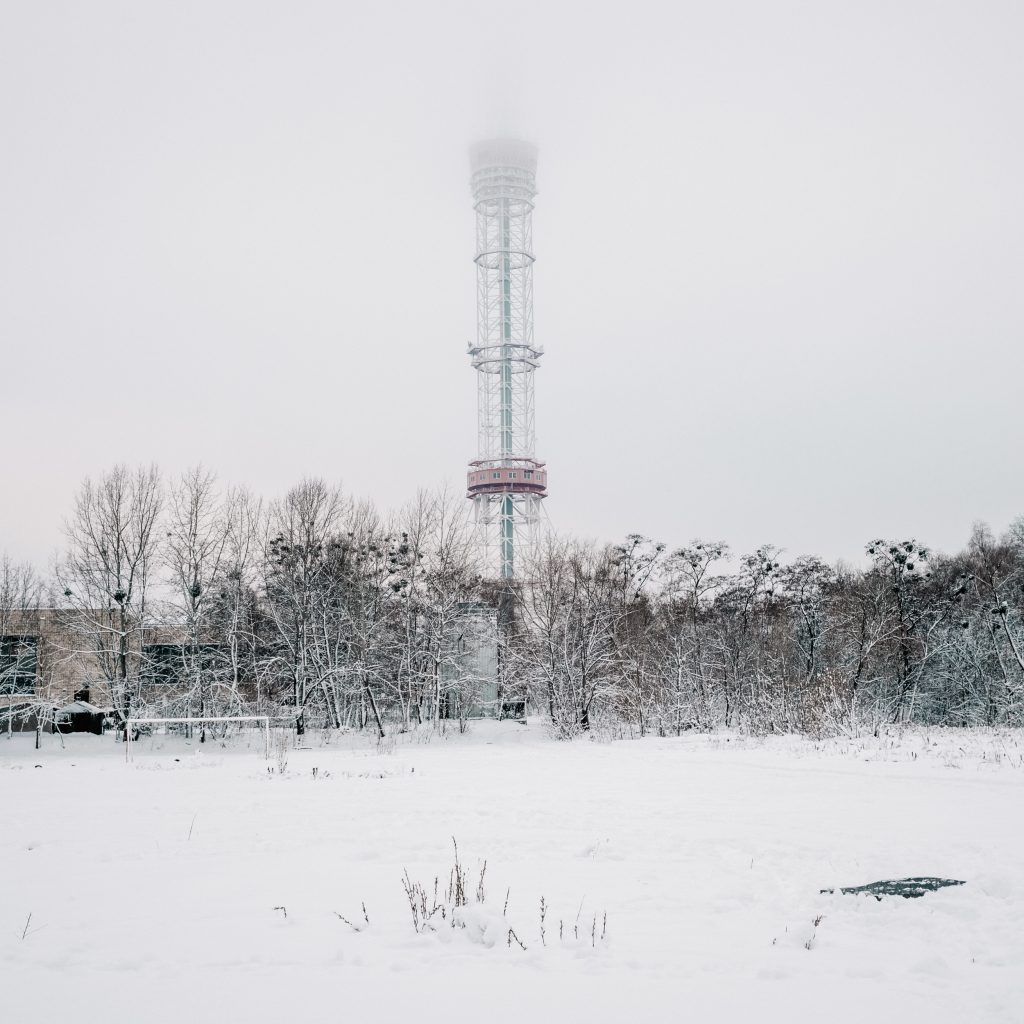
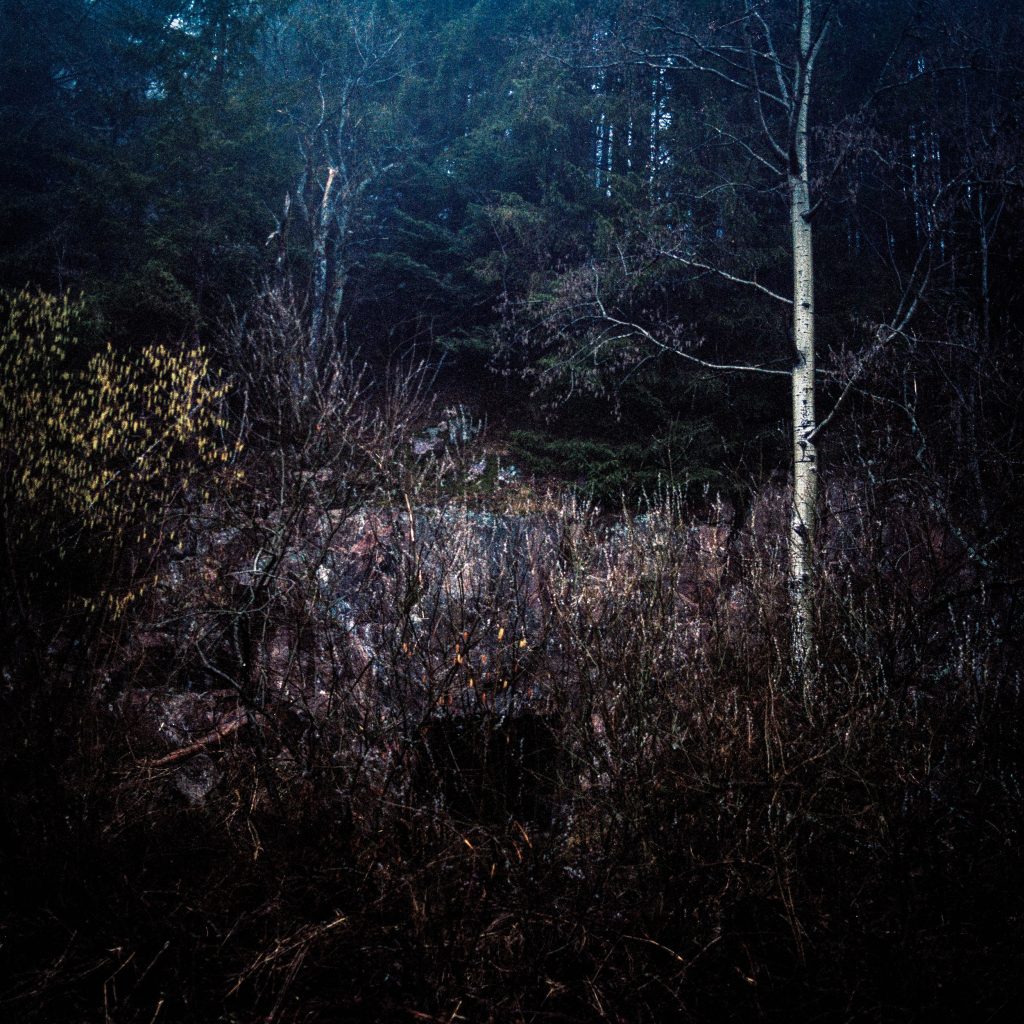
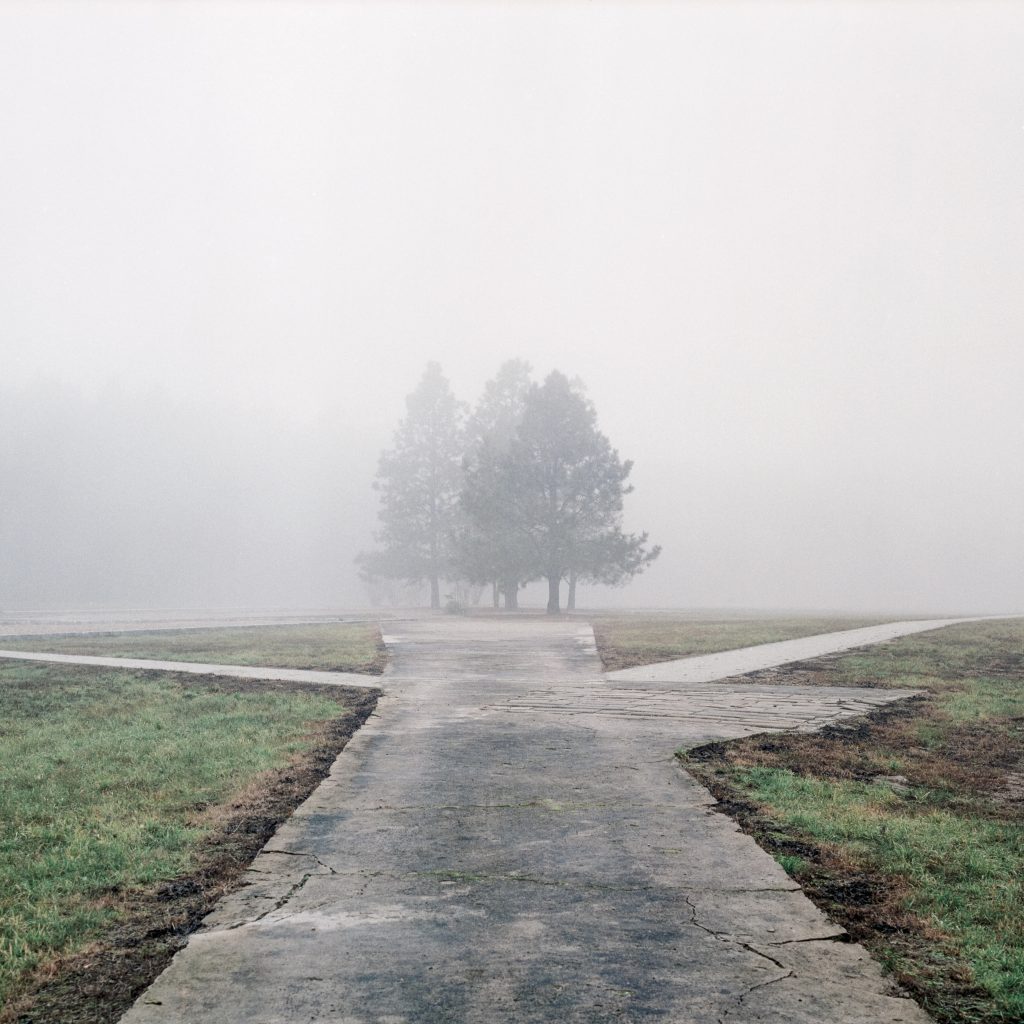
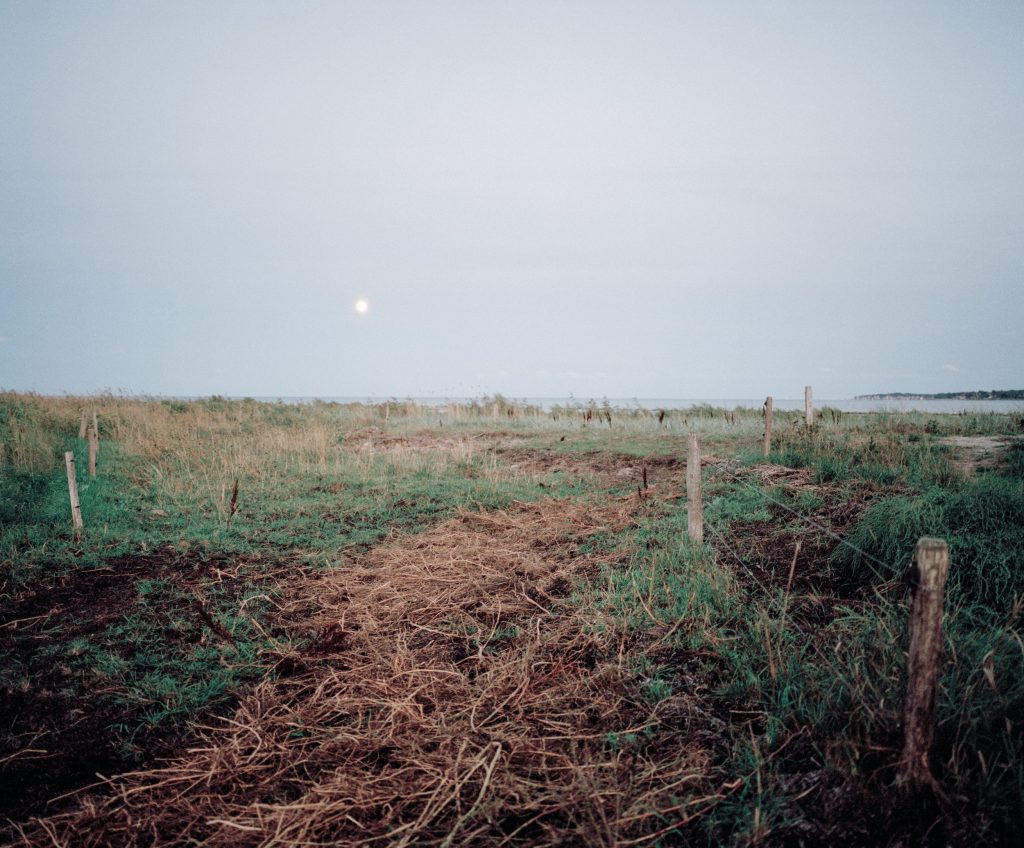
River Warta, where prisoners’ ashes from Chelmno death camp were dumped.
Zawadka. Poland. 2015
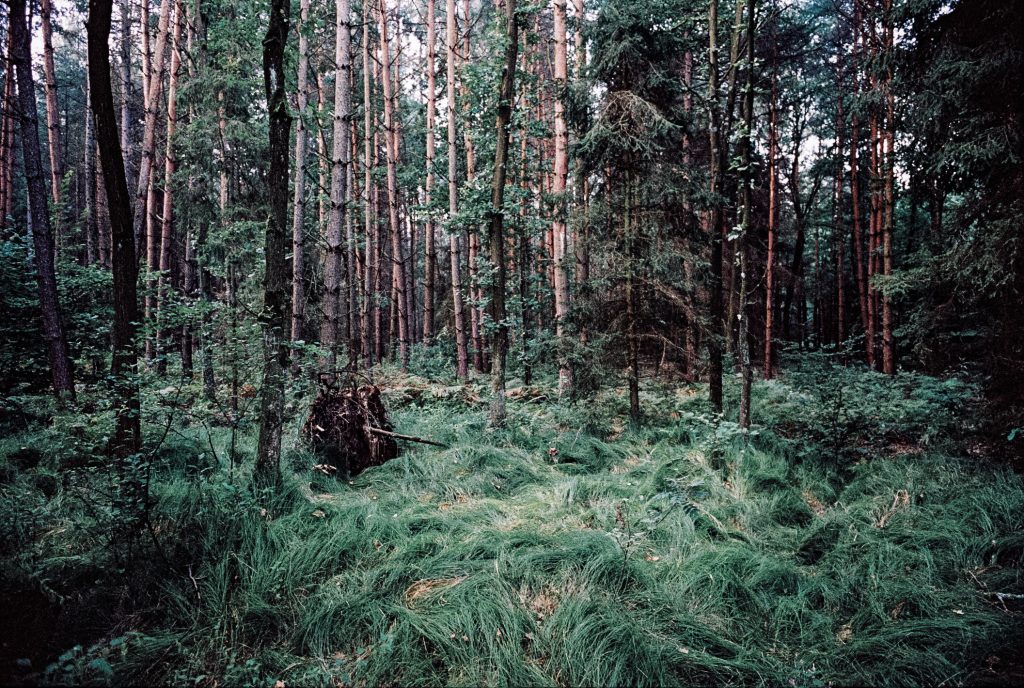
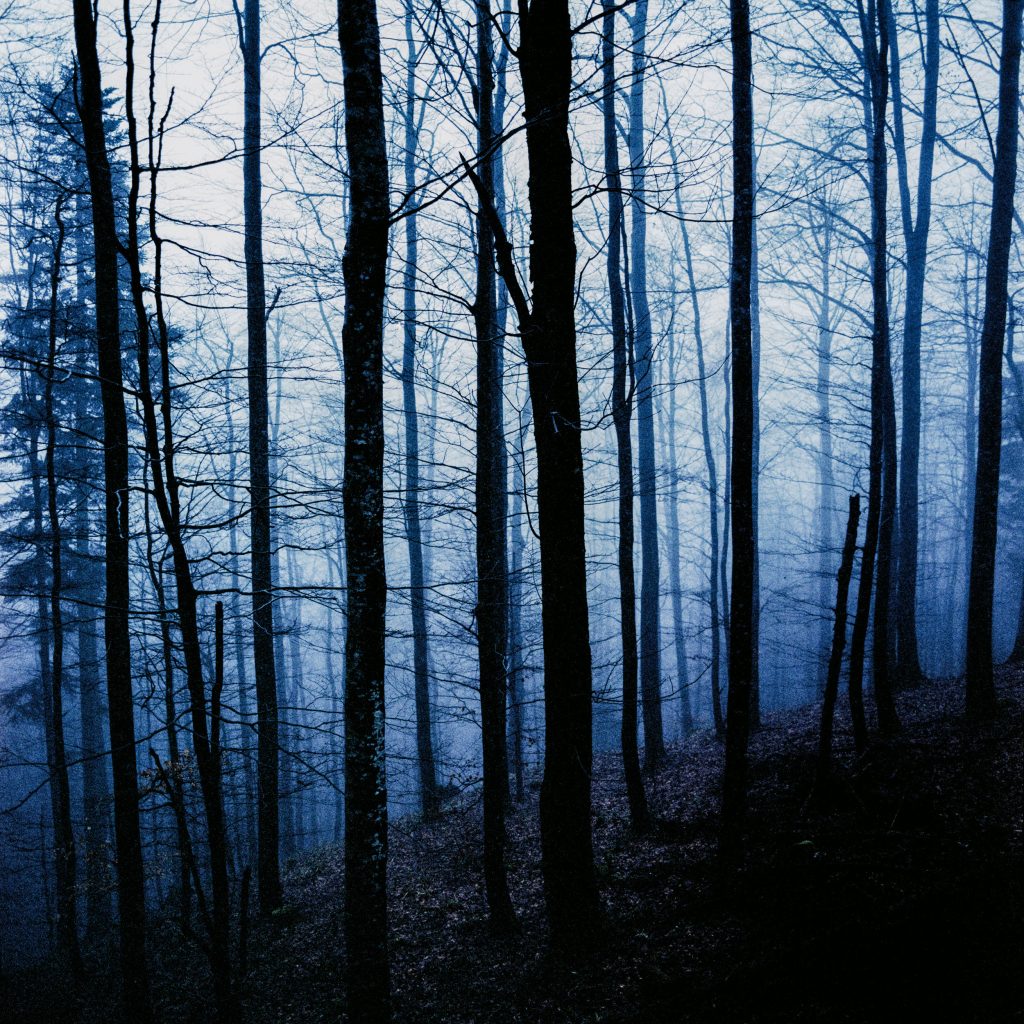
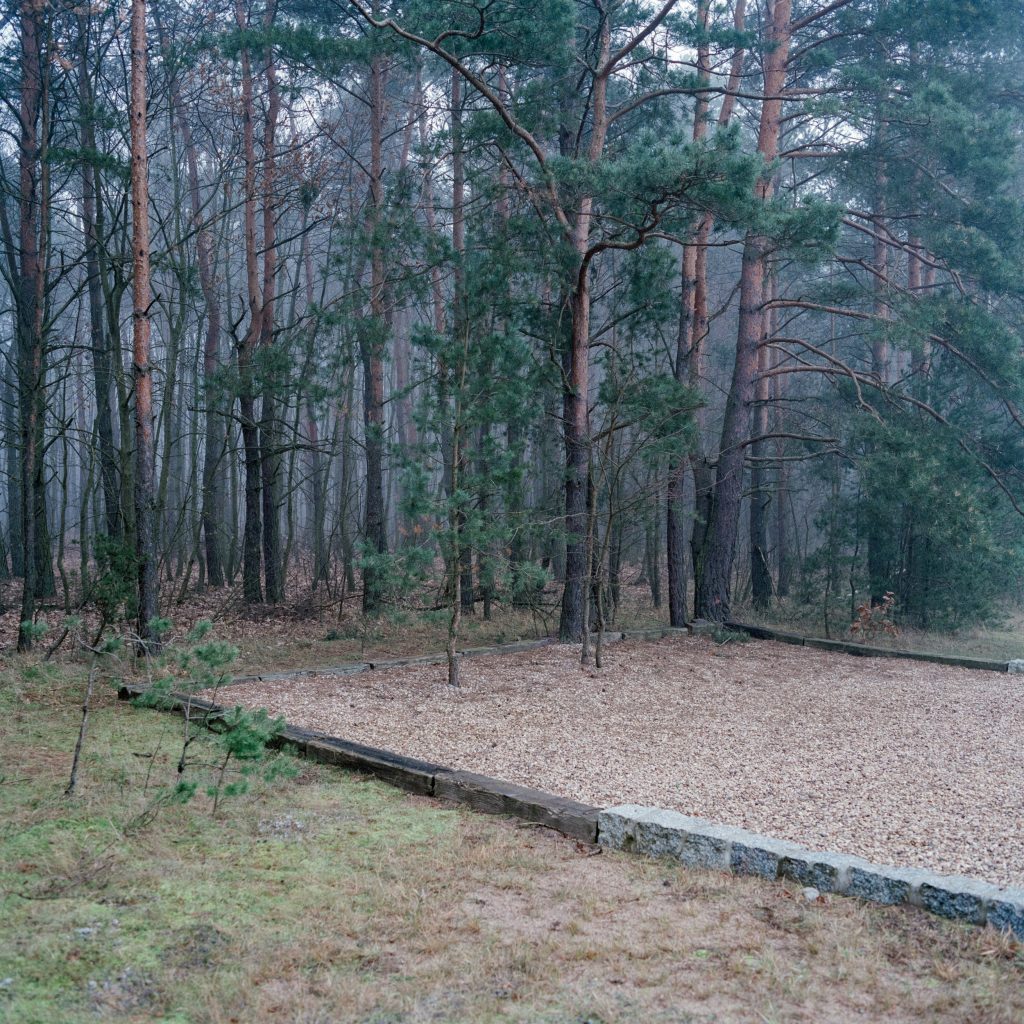
Radostowitz, sub camp of Auschwitz. Prisoners worked felling trees which were transported to Auschwitz II-Birkenau and used to burn bodies
in crematoria. Radostowice, Poland. 2016.
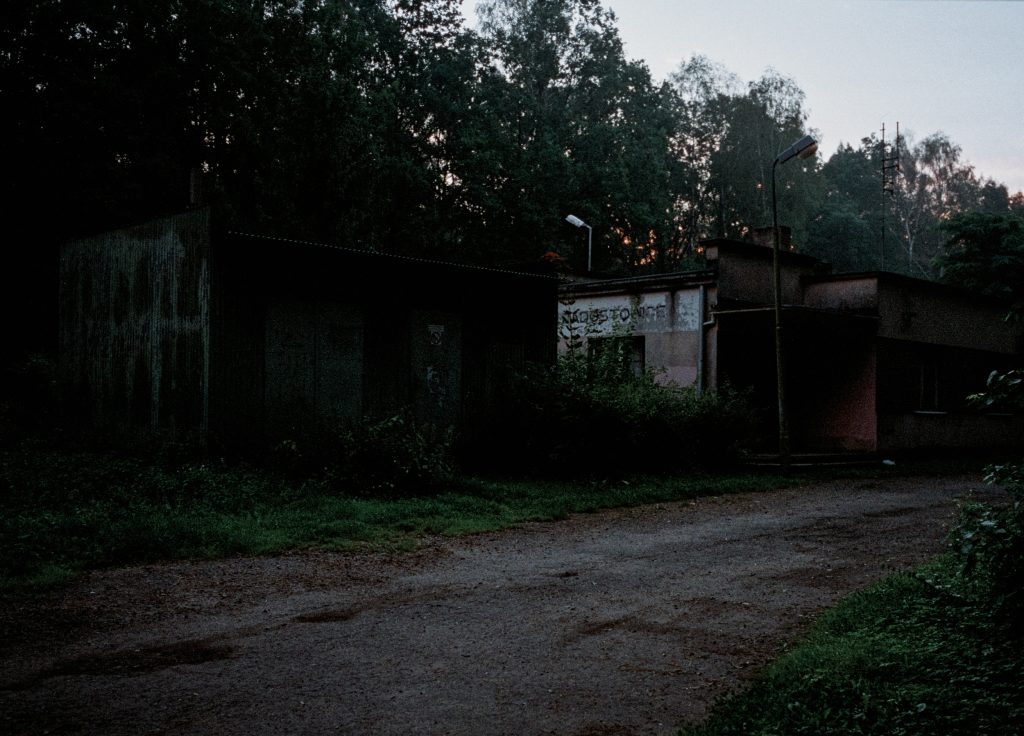
Radostowitz, sub camp of Auschwitz. Prisoners worked felling trees which were transported to Auschwitz II-Birkenau and used to burn bodies
in crematoria. Radostowice, Poland. 2016.
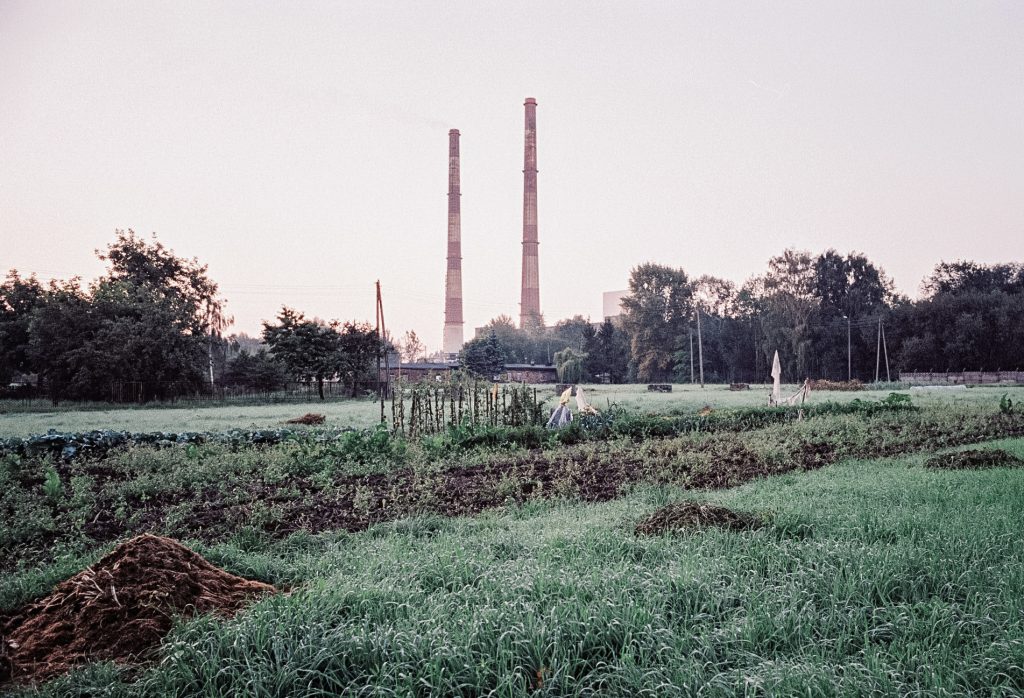
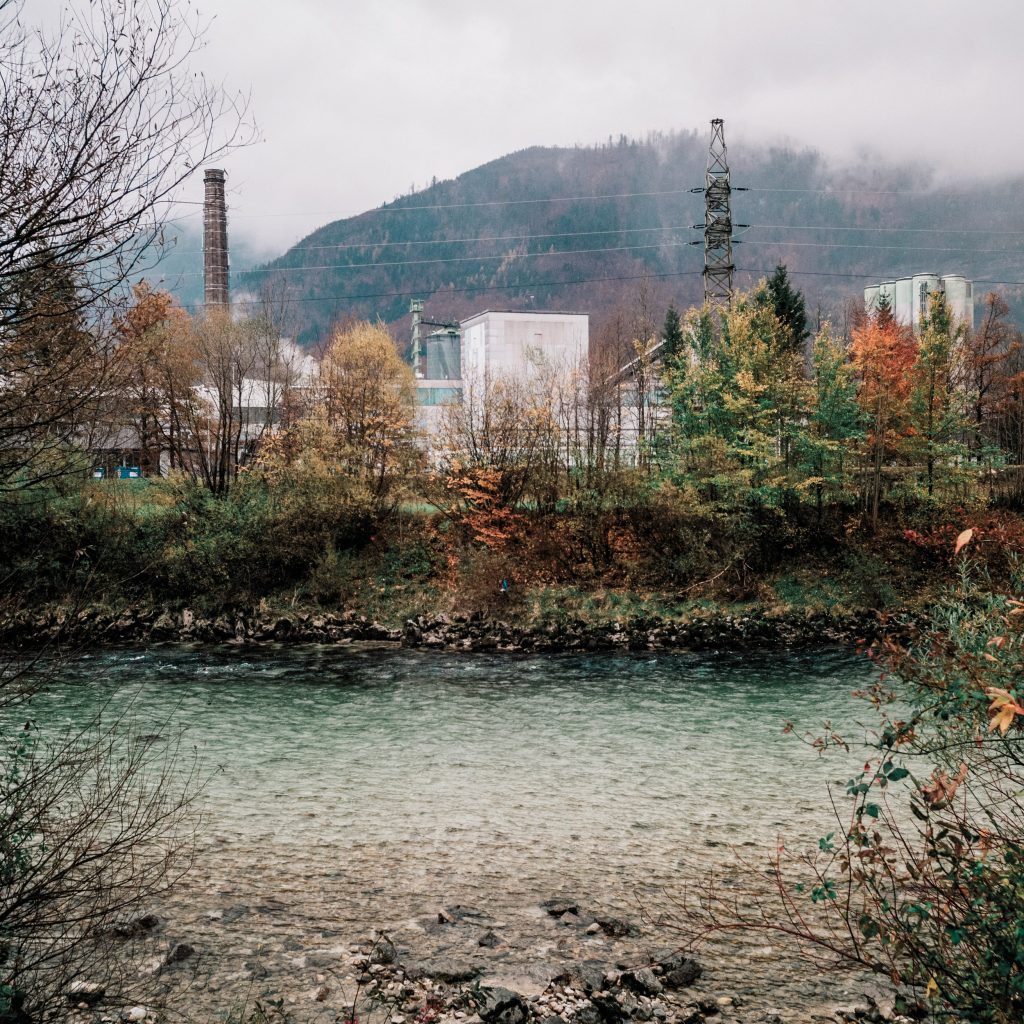
Auschwitz III-Monowitz. Prisoners used for construction of chemical complex for IG Farben.
Monowice, Oswiecim, Poland. 2016.
Tunnels. Ebensee, sub camp of Mauthausen concentration camp. Provided slave labour for underground
tunnels for armament works. Nearly a third of prisoners died here.
Ebensee, Austria. November 2016
Ebensee, sub camp of Mauthausen concentration camp. Provided slave labour for underground
tunnels for armament works. Nearly a third of prisoners died here.
Ebensee, Austria. November 2016
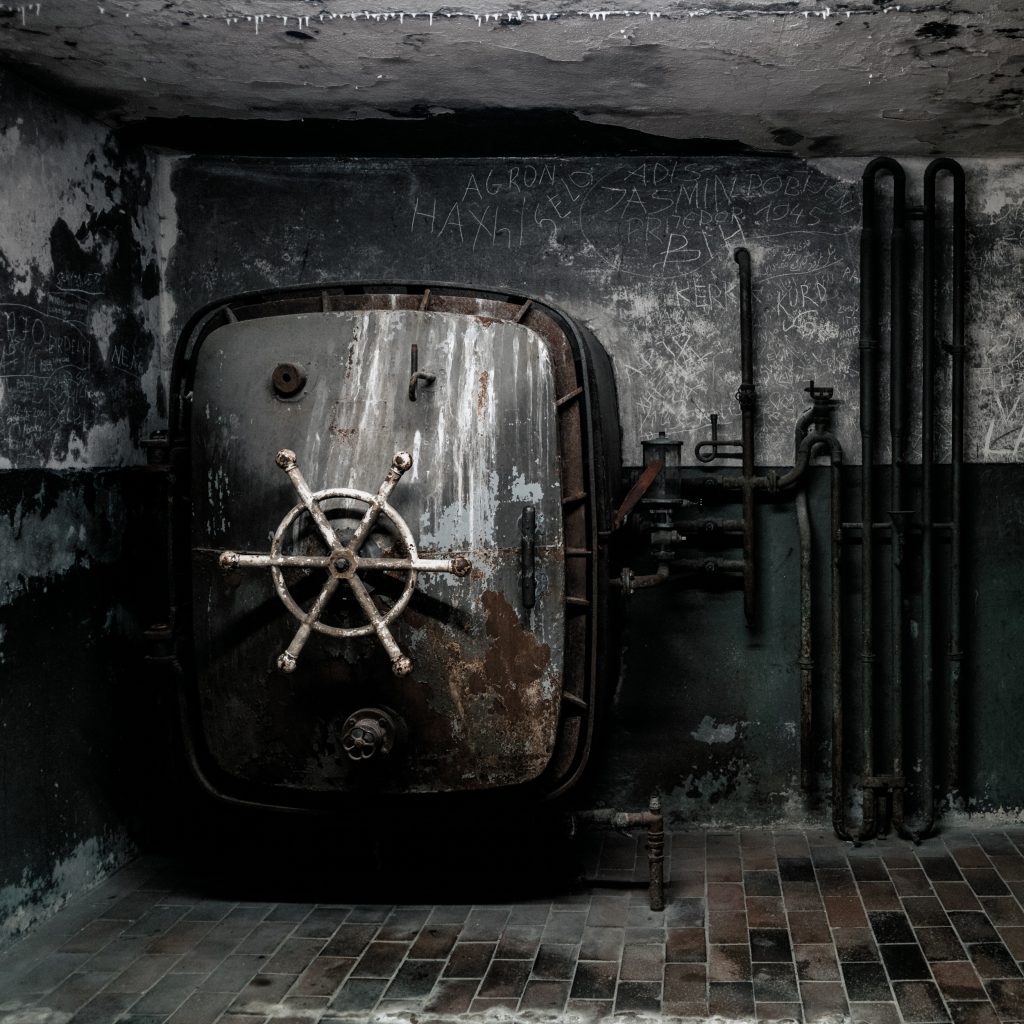
Disinfection room, Mauthausen concentration camp. Nearly 200,000 prisoners were kept at
Mauthausen. Close to half of these prisoners died.
Mauthausen, Austria. November f2016
Parachute jumps. Prisoners forced to jump to their deaths. Mauthausen concentration camp. November 2016
to check location caption. Babi Yar., Kyiv, Ukraine. December 2018.
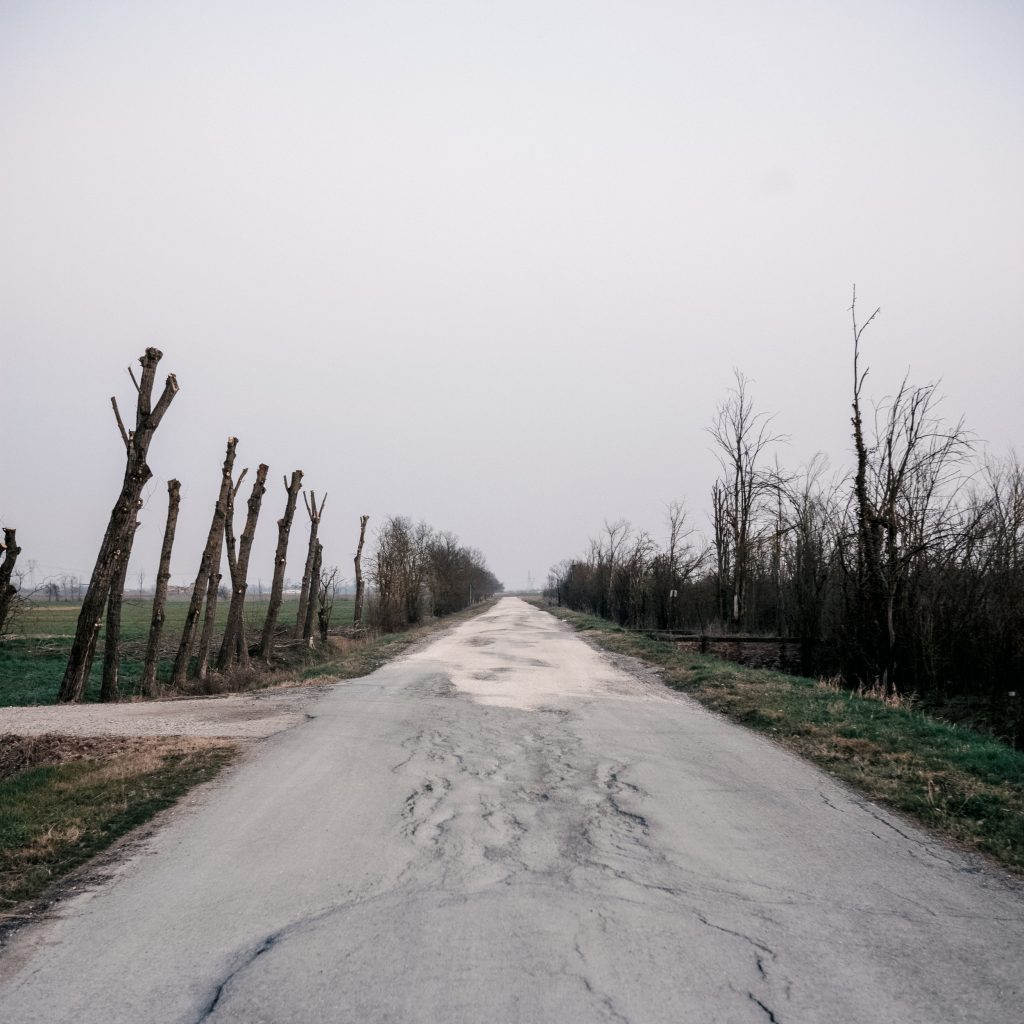
Internment camp. Fossoli, Modena, Italy. 2019. Departure point to concentration and death camps north of the Alps.
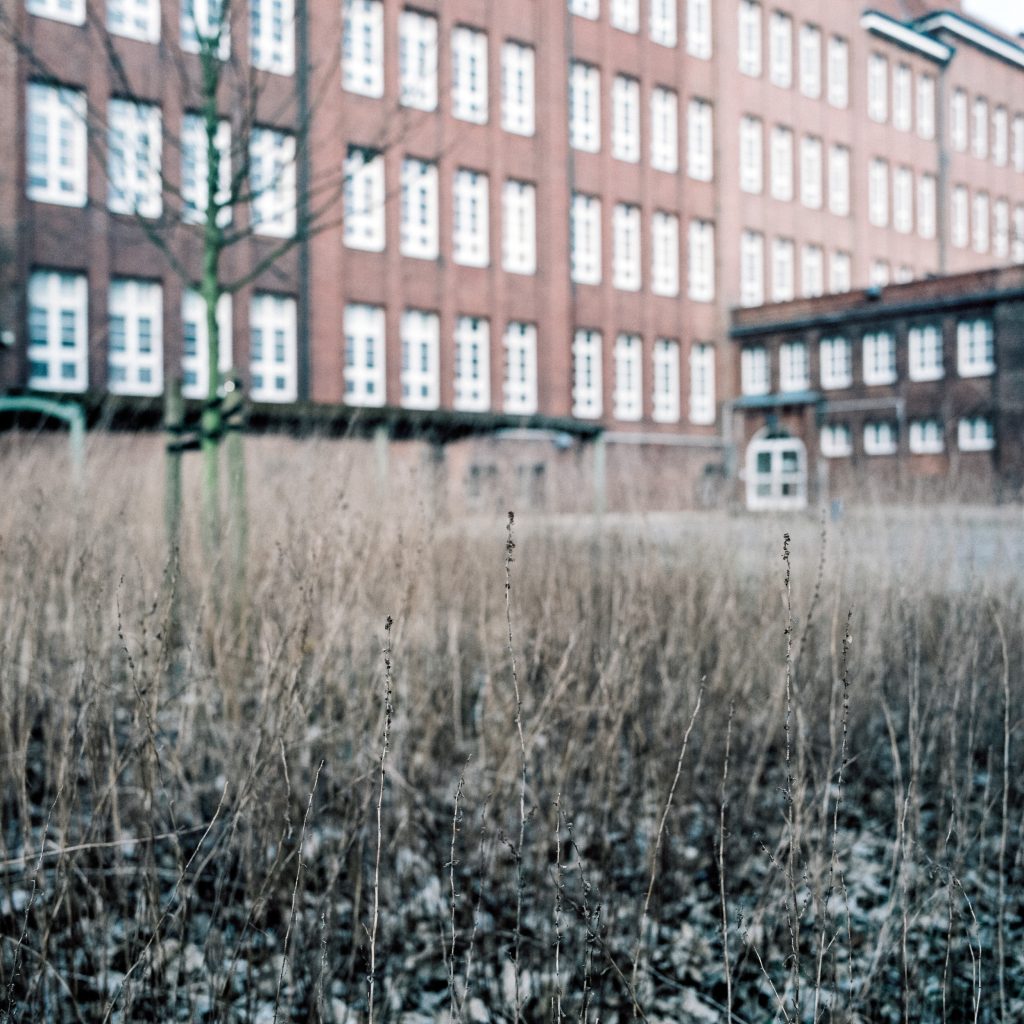
The Bullenhuser Damm School, Hamburg, Germany. March 2018. On April 20, 1945, 20 Jewish children who had been used in medical experiments at Neuengamme were murdered in the basement of the school with their four adult caretakers and six Soviet prisoners.
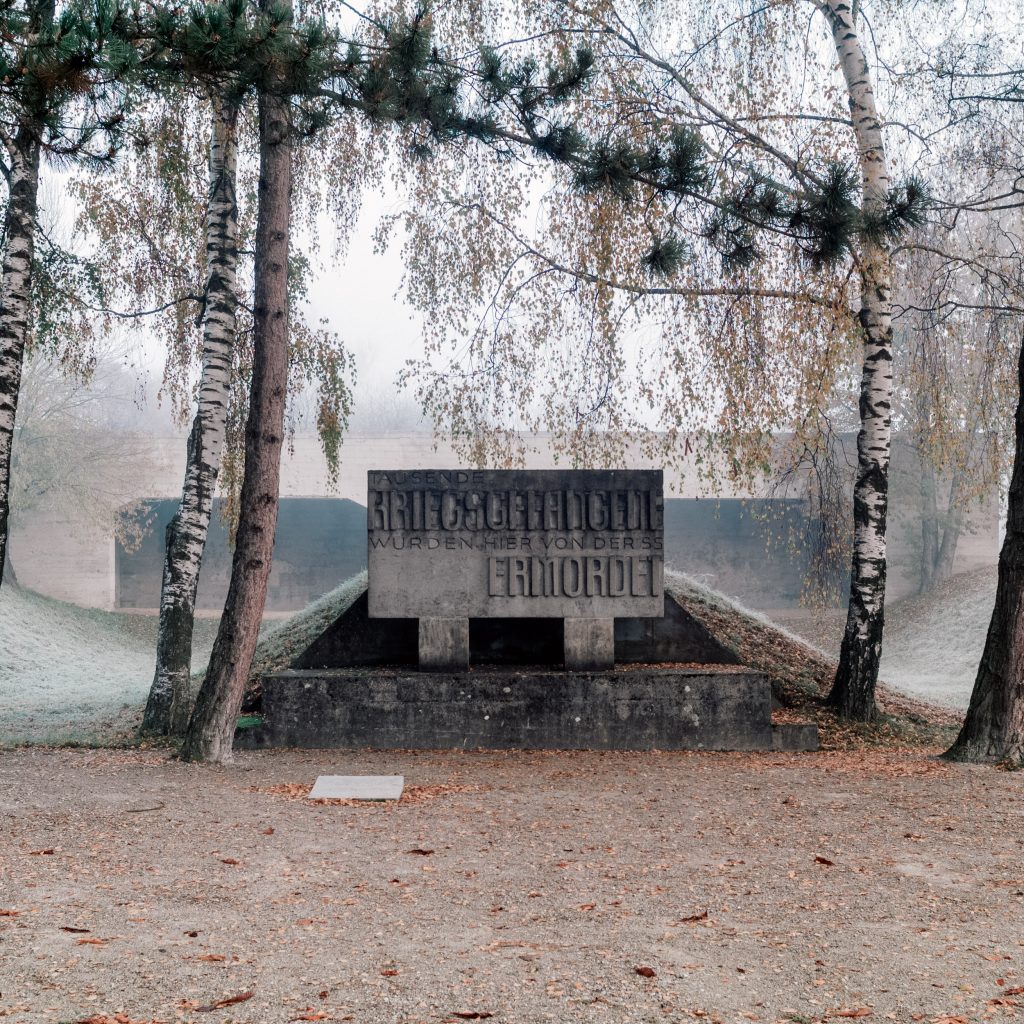
Firing range where over 4,000 Soviet prisoners were excecuted, Hebertshausen sub camp, Dachau, Germany. 2016
Raisko, sub camp of Auschwitz. Prisoners from here were sent on Death march and on to Ravensbrück, a Nazi concentration camp
designated exclusively for females. Rajsko, Poland. 2016.
Entrance to firing range where over 4,000 Soviet prisoners were excecuted, Hebertshausen sub camp, Dachau, Germany. 2016
Mass grave, Kazimierz Biskupi forest. 2018. Here several thousand Jews from Konin, Golina, Zagórowo, Kleczew and Skulsk were murdered. Forced into 2 pre dug pits filled with lime.
Gypsy camp, Litzmannstadt ghetto, holding over 5000. All those still alive from here
on January 16th 1942 were transported to Chelmno death camp.
Lodz, Poland. 2015
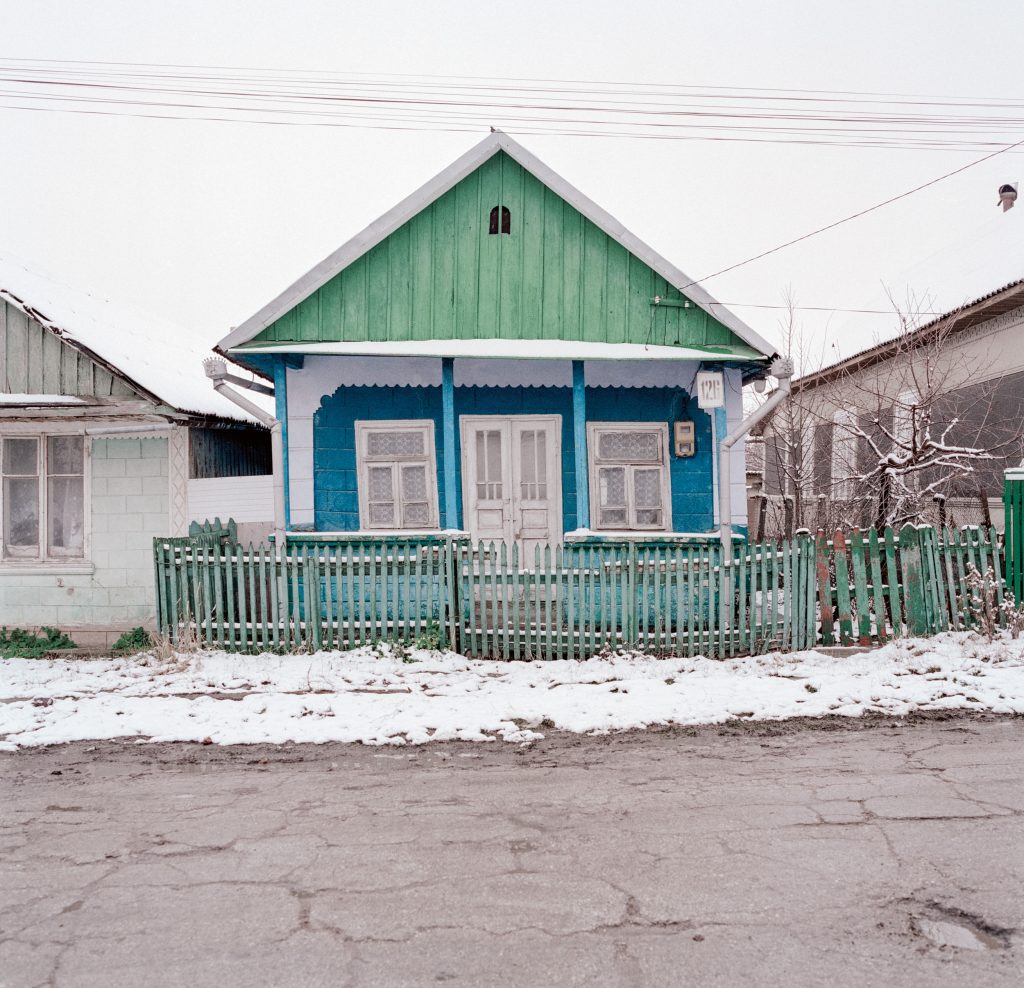
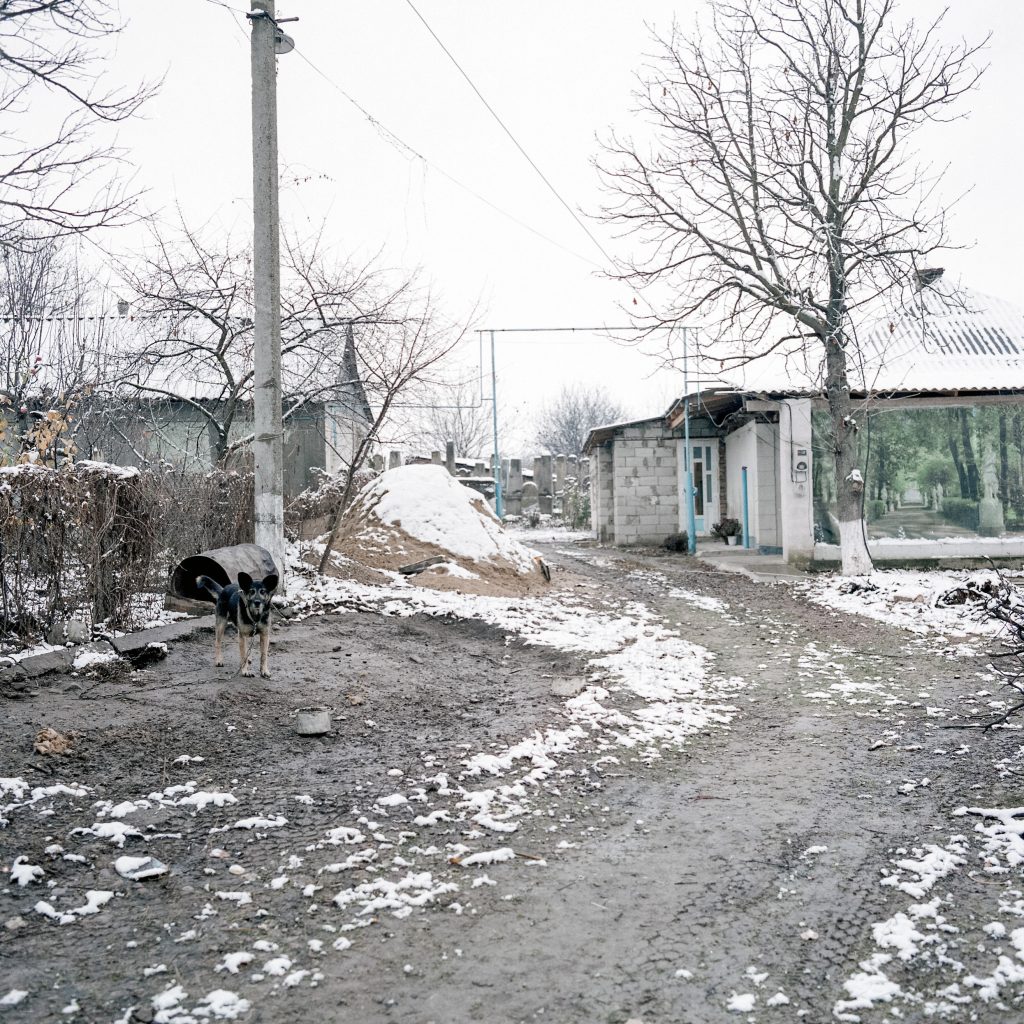
Old Jewish quarter.
Edinets, Moldova. 2015
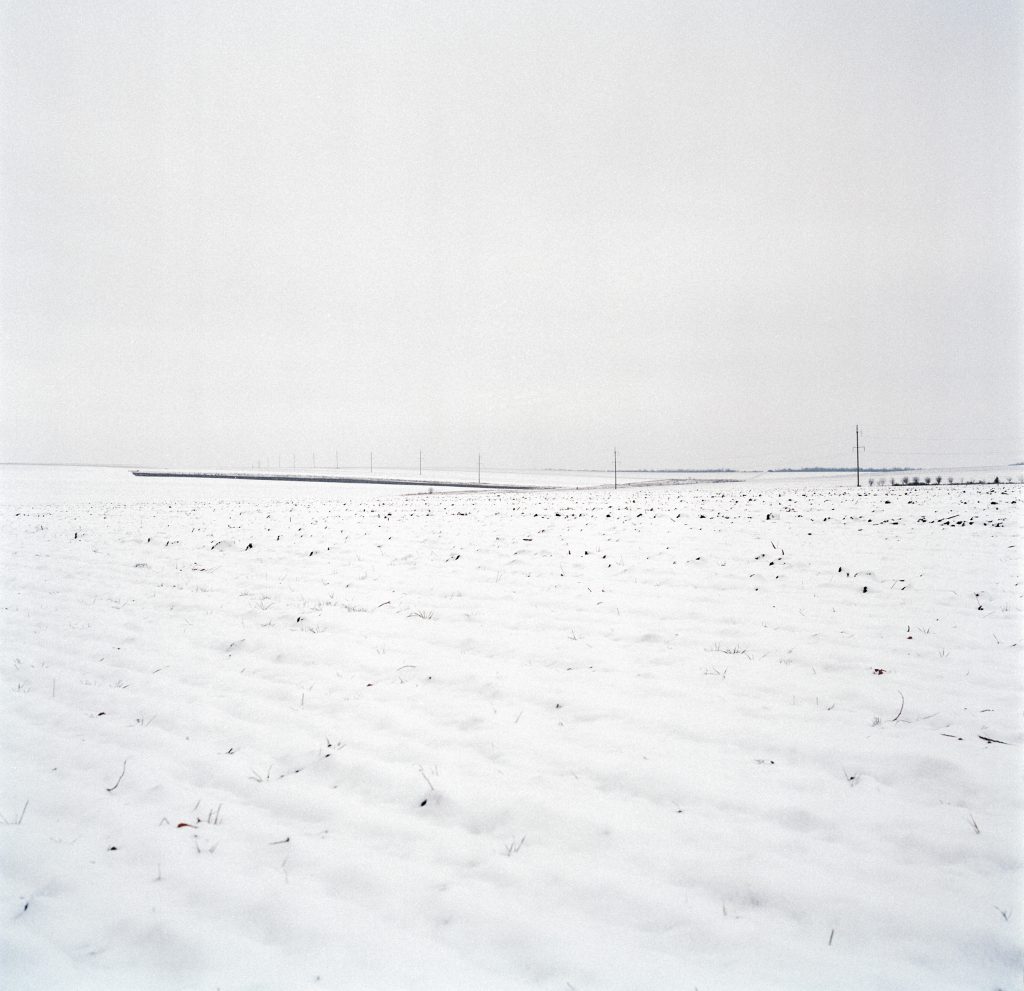
Mobile killing units (Einsatzgruppen) operated throughout the country. Moldova. 2015
The ground moved throughout the north of the country, with those buried alive.
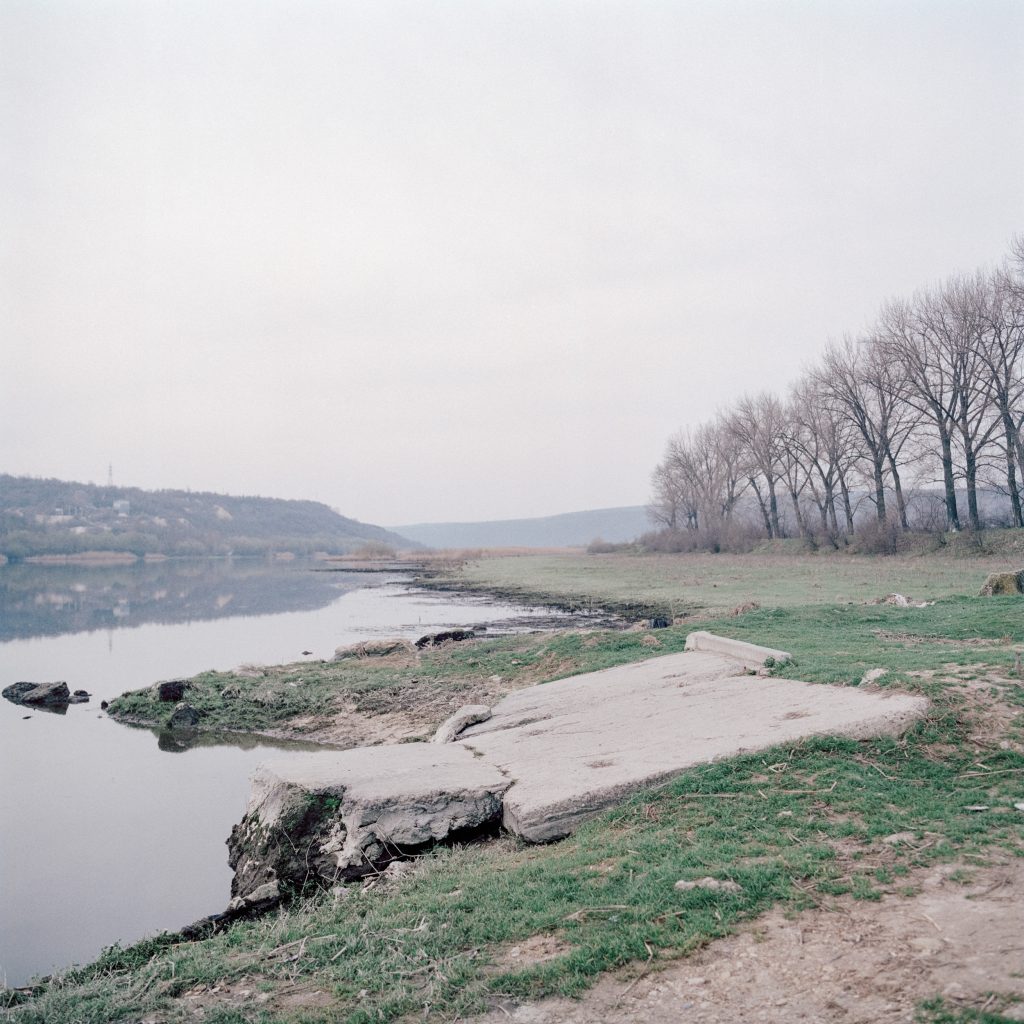
River Dniester, Rezina. Crossing point into Transnistria and site of mass murder.
Rezina, Moldova. 2018
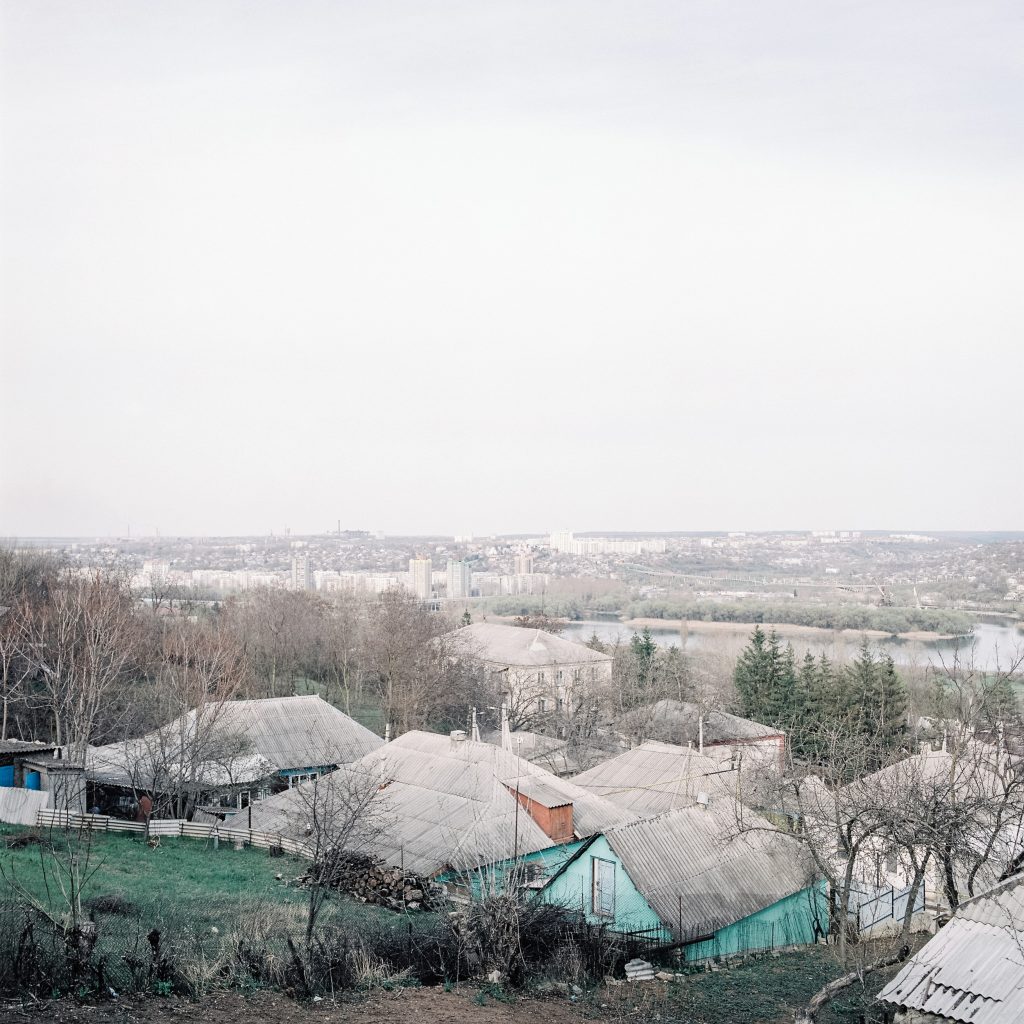
River Dniester, Rezina. Crossing point into Transnistria and site of mass murder.
Rezina, Moldova. 2018
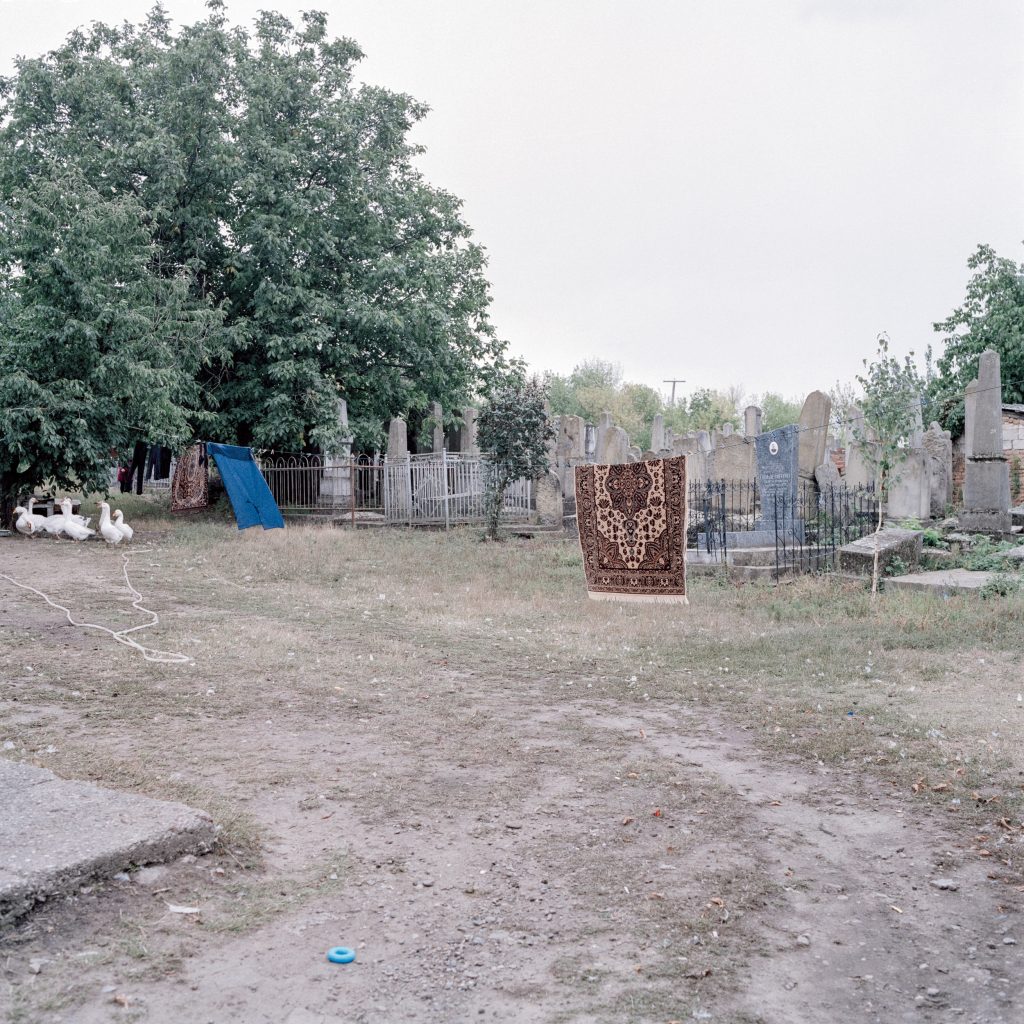
Jewish cemetery, Valcinet, moldova. 2015. “Vegetables now grow on the land. There is no-one left to bury”.
Natalie Filipciuc.
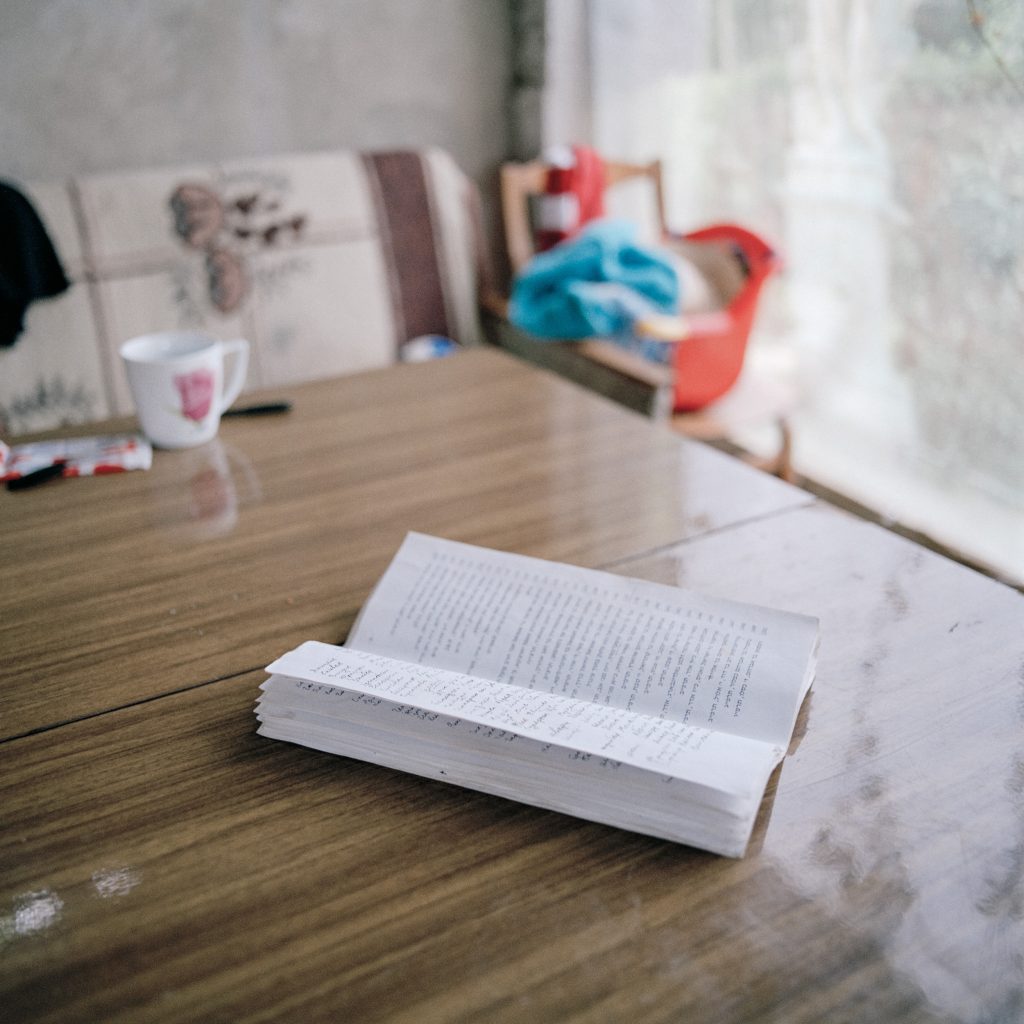
List of graves in house at Jewish cemetery
Valcinet, Moldova. 2015
Jewish cemetery, Valcinet, moldova. 2015. “Vegetables now grow on the land. There is no-one left to bury”.
Natalie Filipciuc.
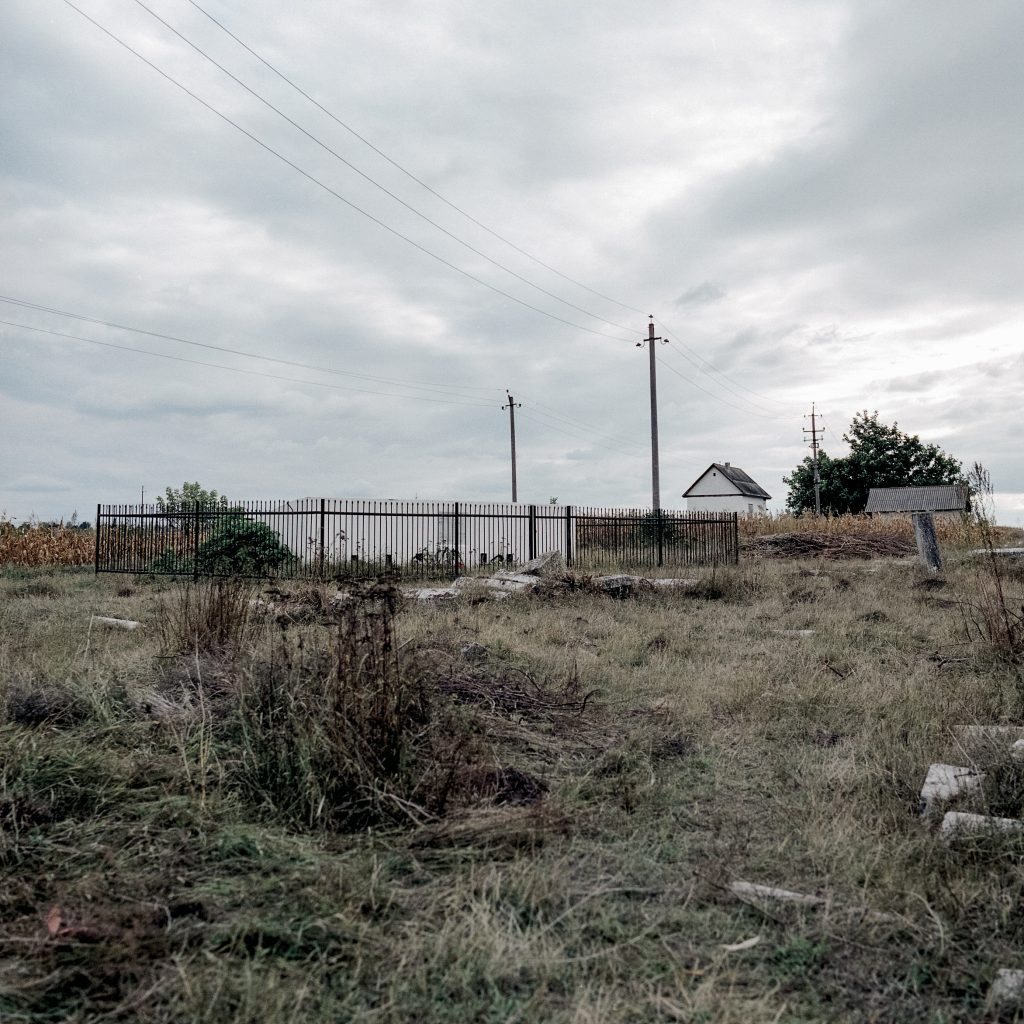
Memorial / Mass grave. Jewish cemetery.
Edinets, Moldova. 2015
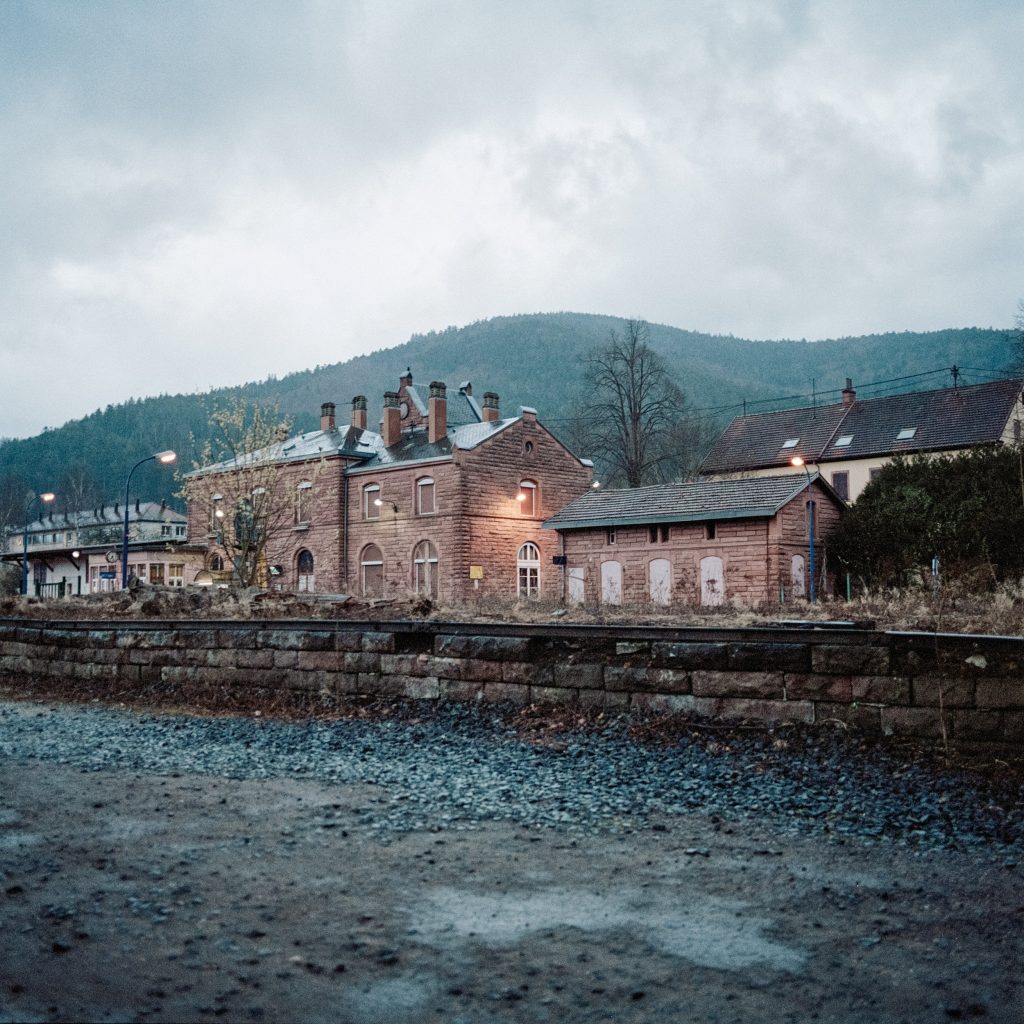
Disembarkation station in valley below Natzweiler concentration camp. Rothau, Alsace, France. 2016
Guards’ vegetable garden at Natzweiler concentration camp , fertilised by the ashes of
the incinerated prisoners.
Struthof, Alsace, France 2016.tif
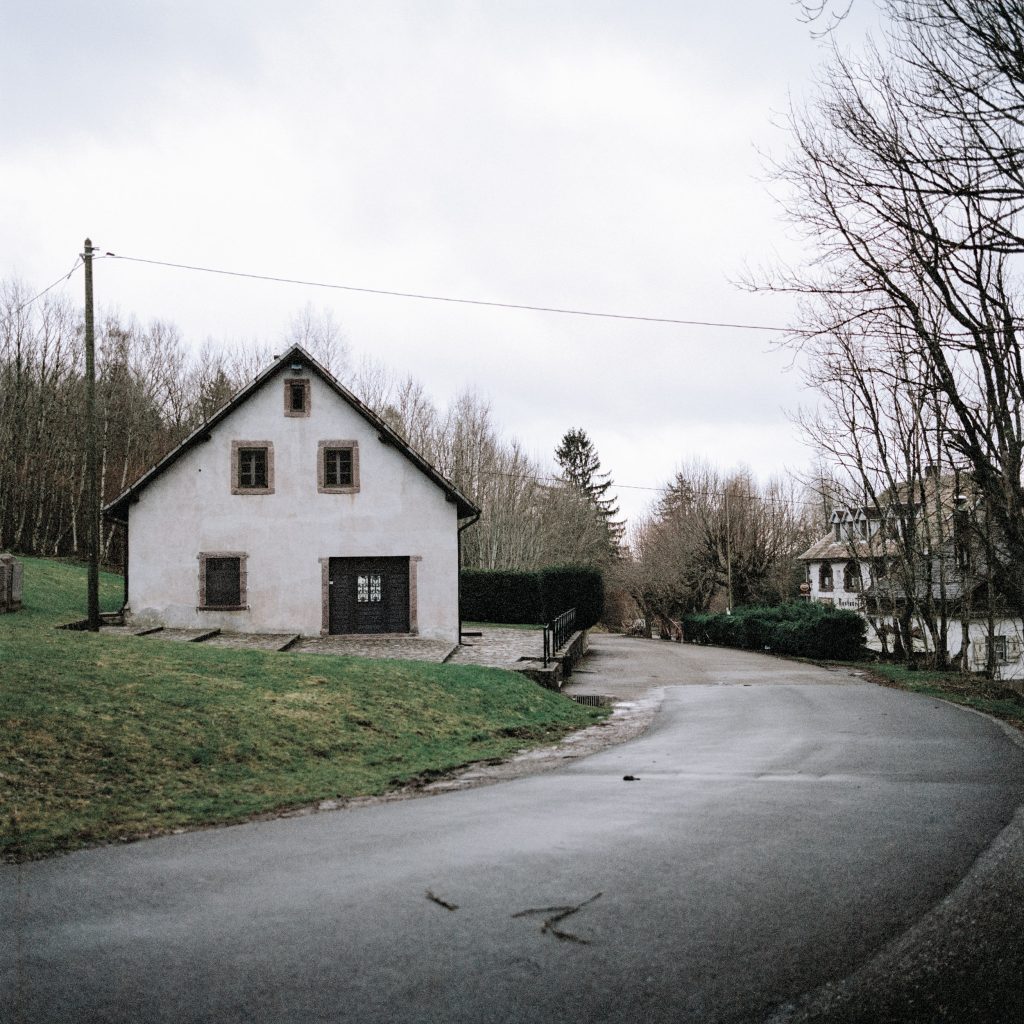
Gas chamber at Natzweiler concentration camp, set up to perform experiments on 86
prisoners, opposite the Struthof hotel.
Struthof, Alsace, France. 2016
Gas chamber at Natzweiler concentration camp, set up to perform experiments on 86
prisoners, opposite the Struthof hotel.
Struthof, Alsace, France. 2016
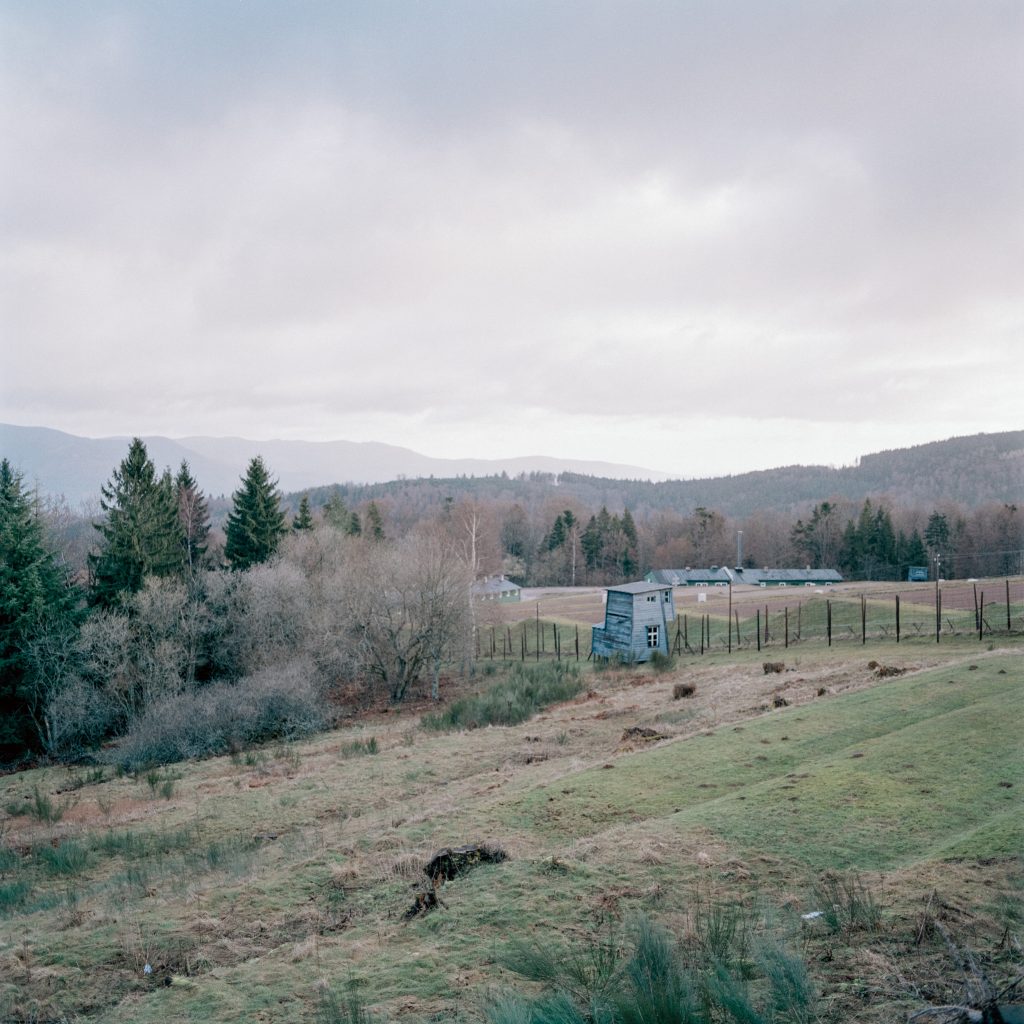
Woods just outside perimeter fence of Natzweiler concentration camp.
Struthof, Alsace, France. 2016.tif
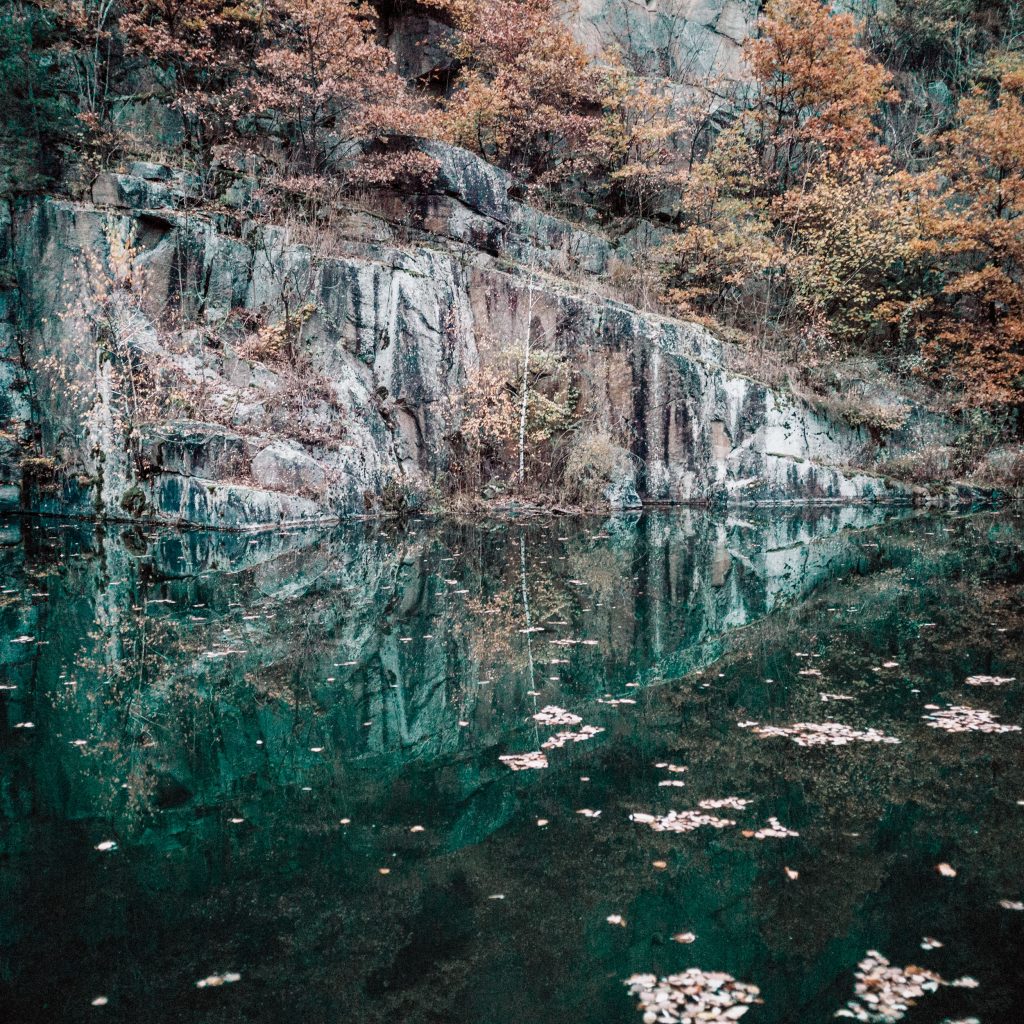
Pink granite from quarry to be extracted by prisoners from Natzweiller concentration camp. Struthof, Alsace, france. 2016
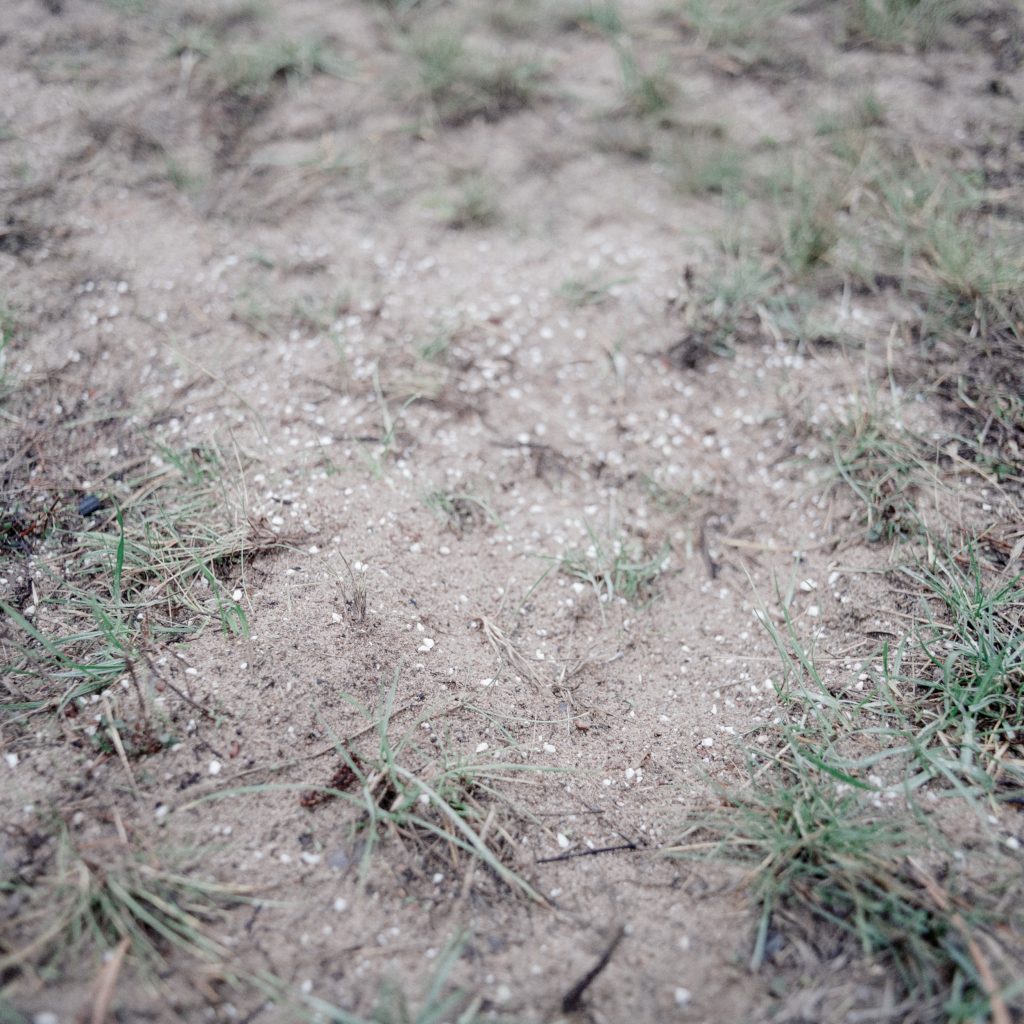
Bone fragments from exhumed, burnt and crushed corpses, seeping through sandy soil. Chelmno death camp. Rzuchow forest, Poland. 2016
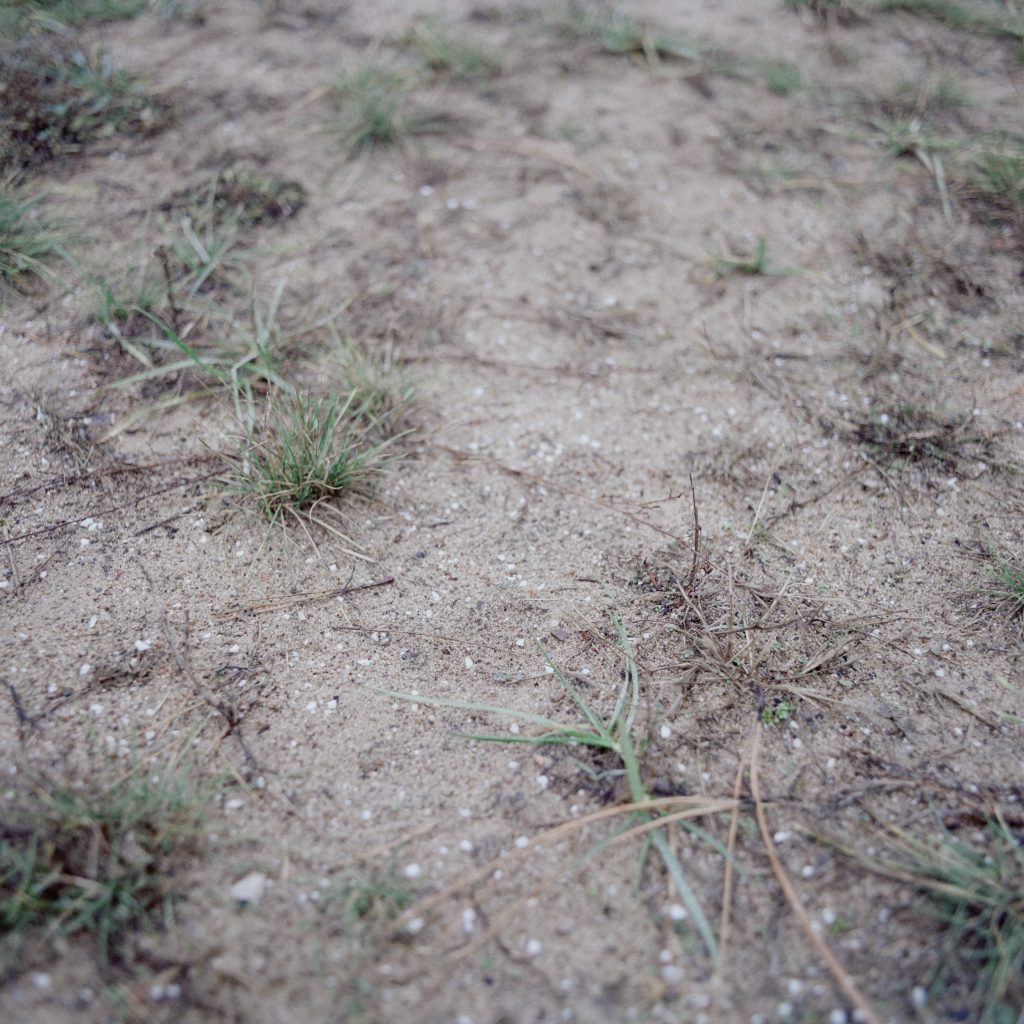
Bone fragments from exhumed, burnt and crushed corpses, seeping through sandy soil. Chelmno death camp. Rzuchow forest, Poland. 2016
Area to right of crematoria, forest camp, Chelmno death camp.
Rzuchow forest, Poland. 2015.tif
The third pit, forest camp, Chelmno death camp. Stones cover sandy soil to hide bone
fragments rising to the surface.
Rzuchow forest, Poland. 2015
Niva, Denmark. 2018. In the local brick factory many Danish Jews were hidden before nightfall and walking escape by boat to Sweden.
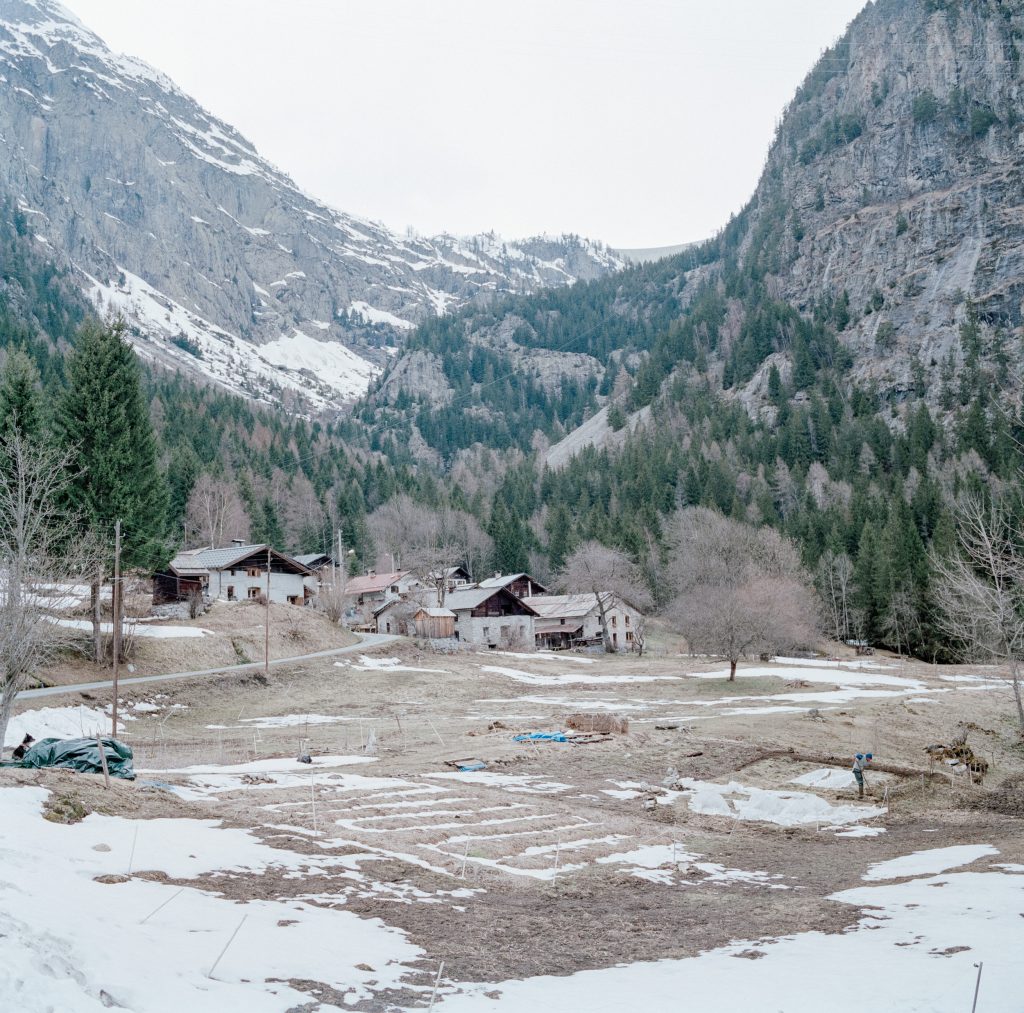
Escape route and hiding place, Swiss French border.
Barberine, Switzerland. 2016
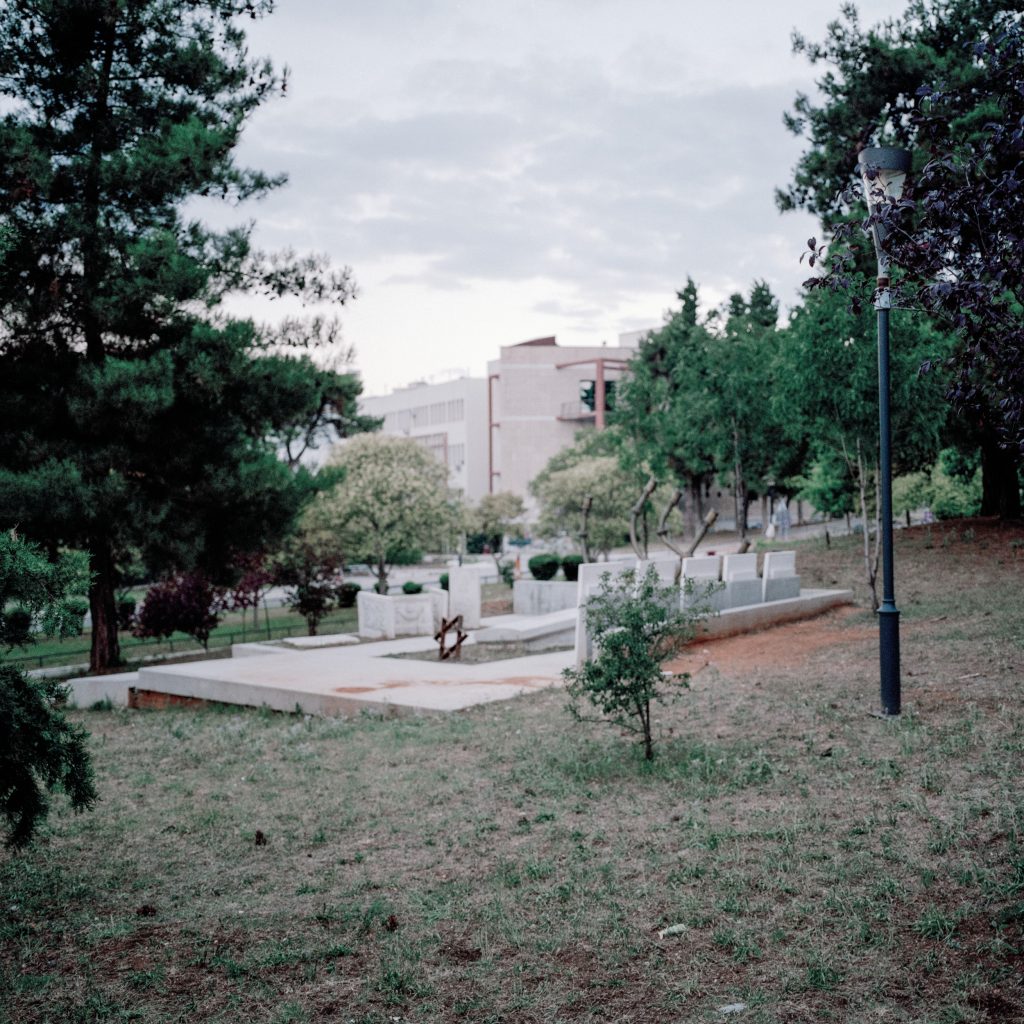
Site of Jewish cemetery, Thessalnoiki, Greece, 2016. Sacked by Nazis to build roads and buildings. Now site of Aristotle University of Thessaloniki. 49,000 of the city’s prewar population of 55,000 Jews were deported to Auschwitz-Birkenau.
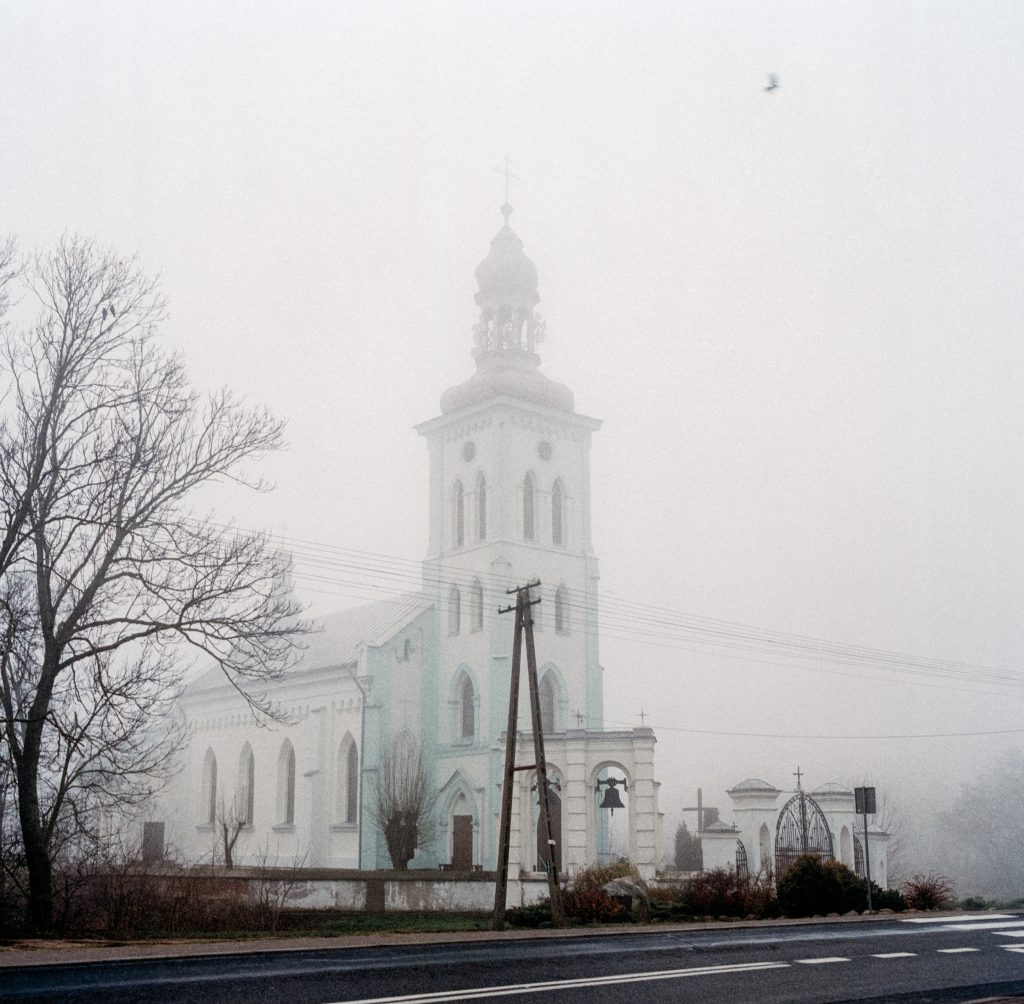
Church where prisoners were kept overnight, next to ‘The Palace’. Chelmno death camp.
Chelmno, Poland. 2015