

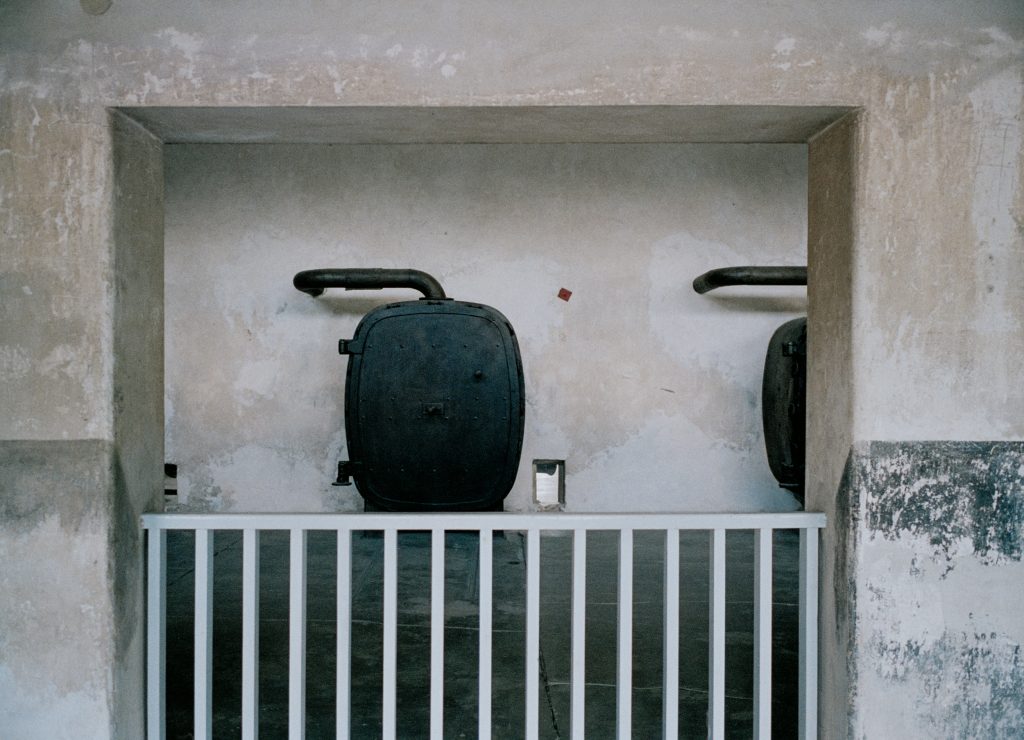
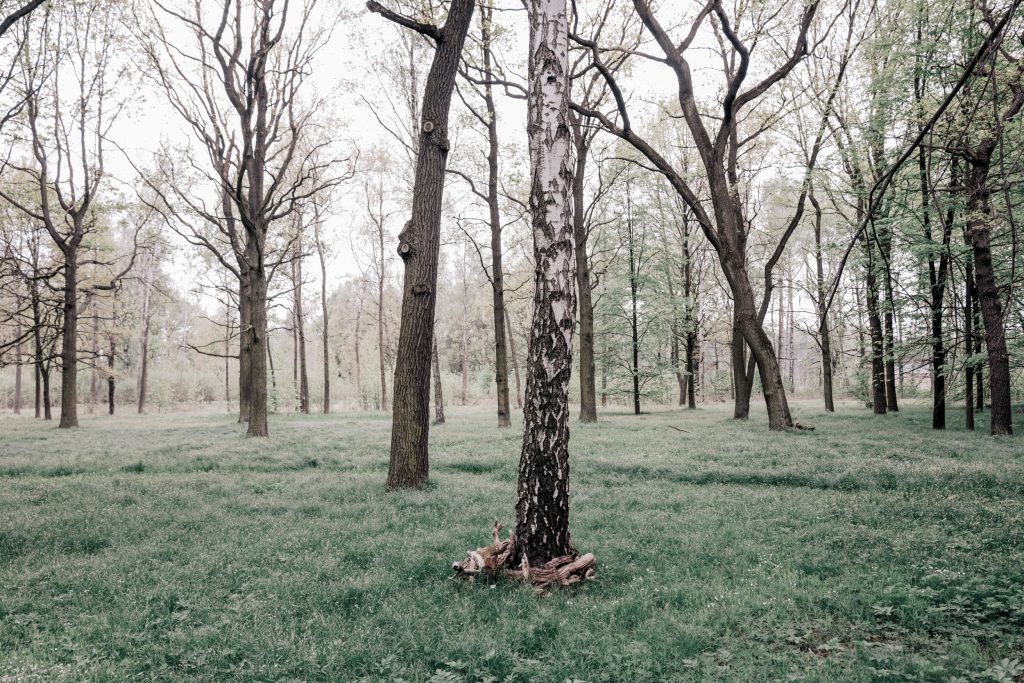
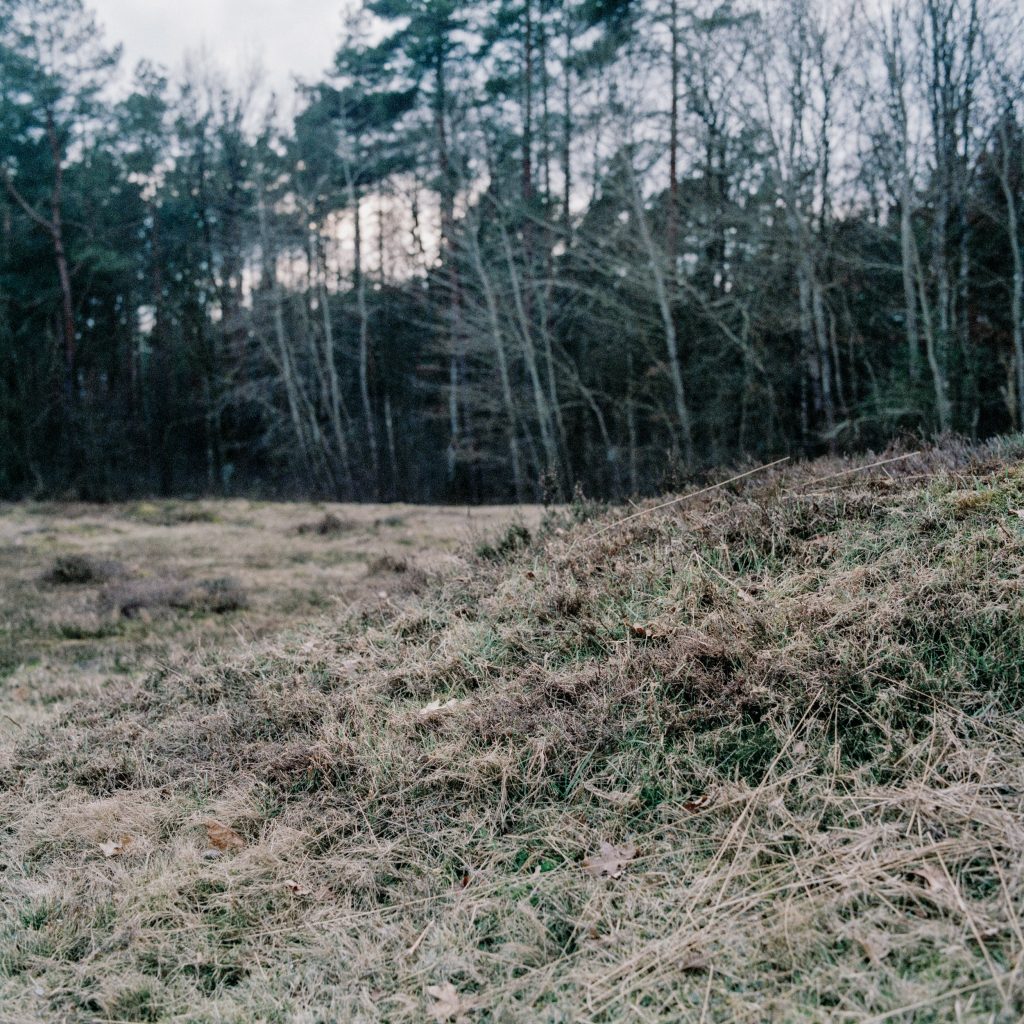
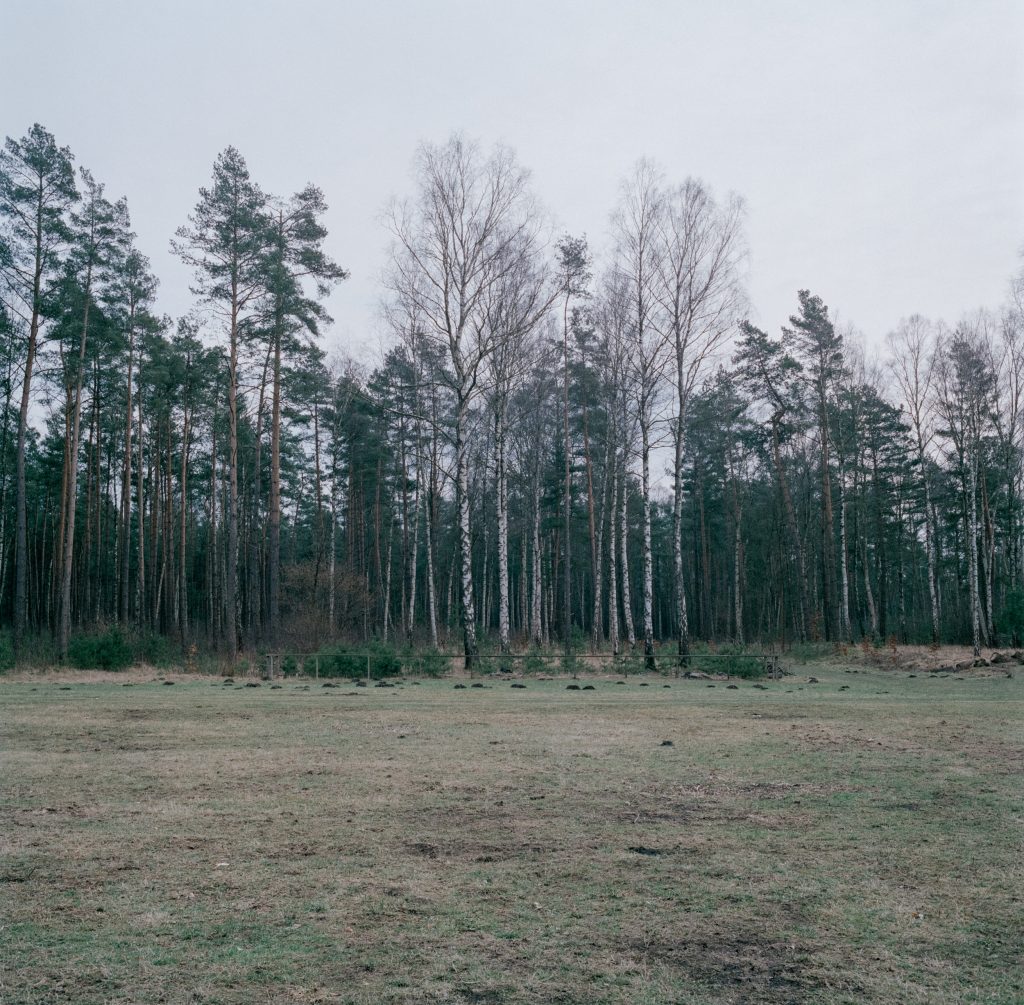
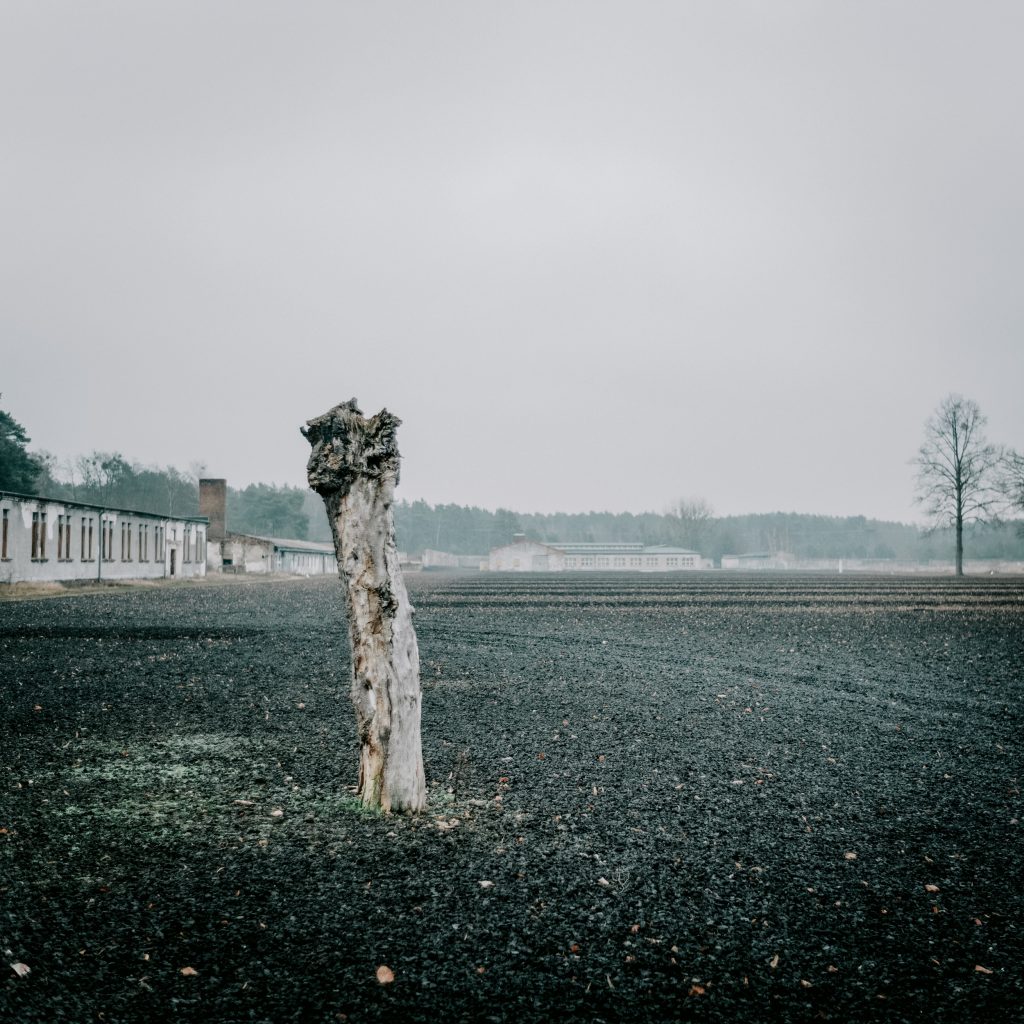
Eugene Black
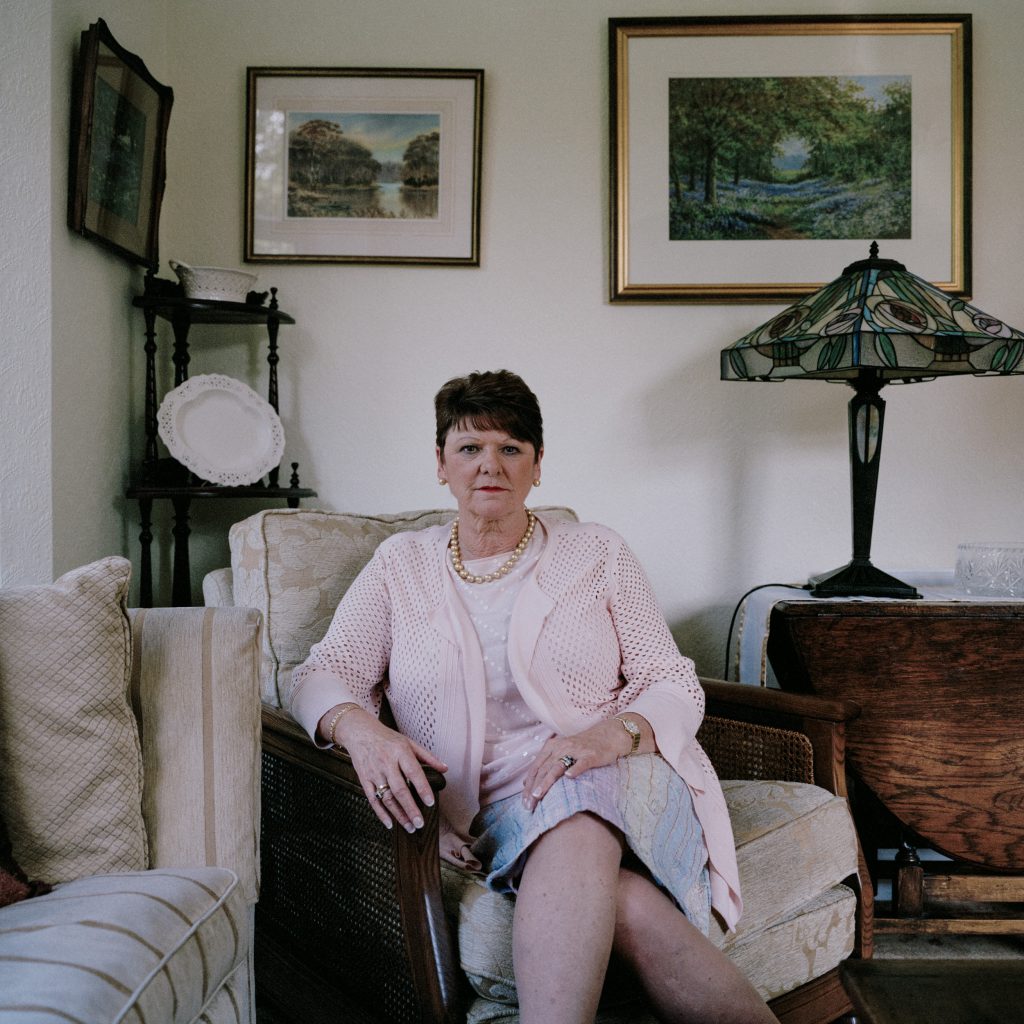
Lilian Black OBE (1951-2020), daughter of Eugene Black (1928-2016). Leeds, United Kingdom. 21 May 2018.
After liberation from Bergen-Belsen, my father became an interpreter with the British Army, working for the regimental police. He was liberated on 15 April 1945, after which he was in hospital for a while. He came to Britain in 1949.
They didn’t pay him a wage but they gave him a bedroom in the guardroom, a uniform, and they fed him – he was quite happy. He didn’t want to go back to Hungary where he was from and he had nowhere else to go so he stayed with the British Army,. He loved them, they looked after him and they called him the Belsen Kid, because that’s where he’d been liberated from.
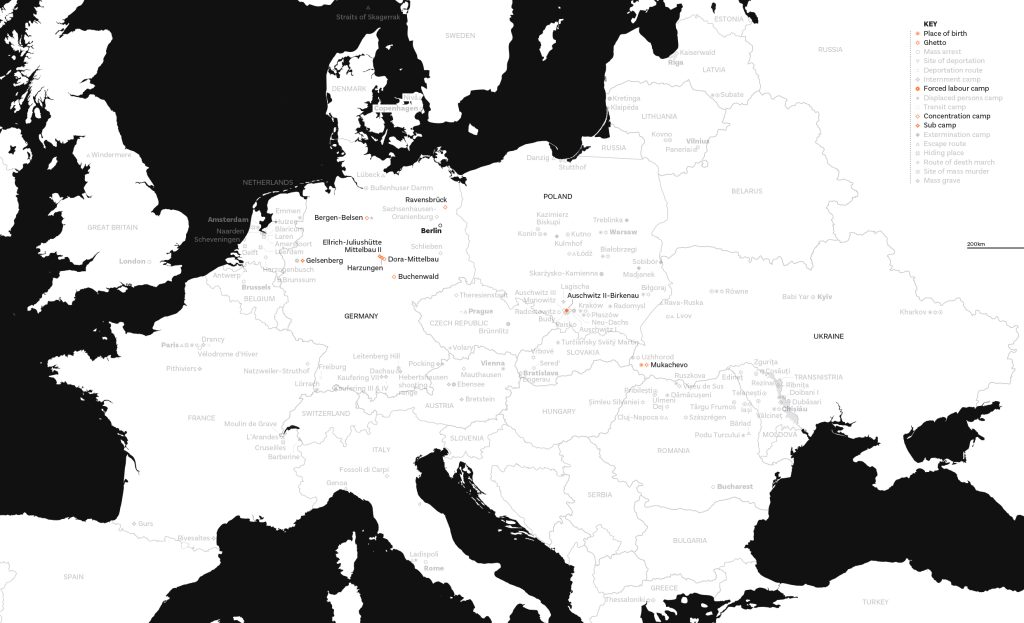
He was born in Munkács [Mukachevo] which was in Czechoslovakia. It was taken over by the Hungarians and became part of the greater Hungarian Empire. Now it’s in the Ukraine.
He was transported as a Hungarian Jew with his parents, his two sisters and members of the wider family. His mother was one of six children and his father came from a similarly large family. He was 16, mad about football and not really interested in family things.
On 19 March, the Germany occupiers created the ghettos. [The family] wore the yellow star and in May they were taken from the ghetto on one of the first transports from Mukachevo. After three days and three nights of travel they arrived in Birkenau. Of course, they didn’t know that they were in Birkenau.
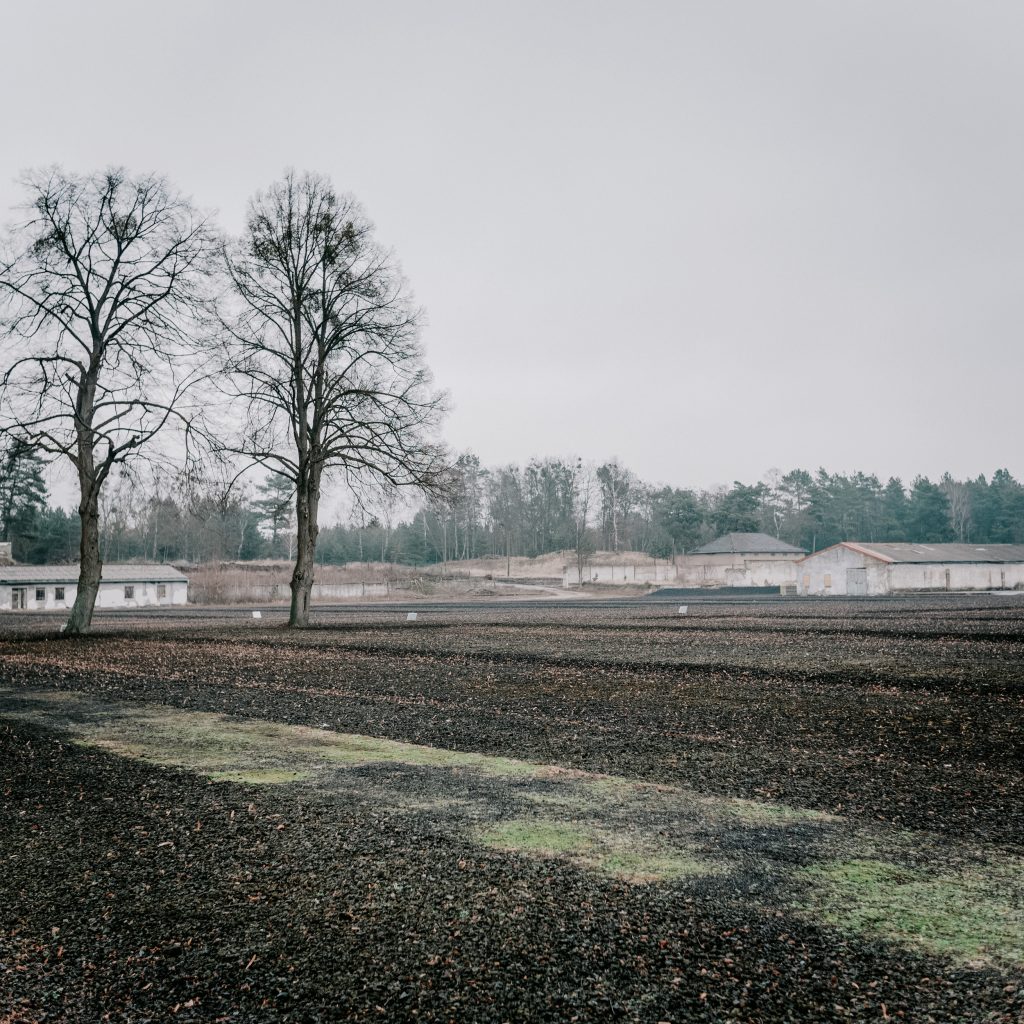
He was separated from his family; he was with his father but the men and women were separated. His father had been selected for death so he was by himself, without his family. But a friend, Bondi Konreich, and Bondi’s father were in there so they stuck together. They went through the sauna and that night they saw the flames and the smoke and the smell. The next morning, Mr Konreich told my father that what they had seen the night before were the bodies of their families burning. That was his introduction to Auschwitz.
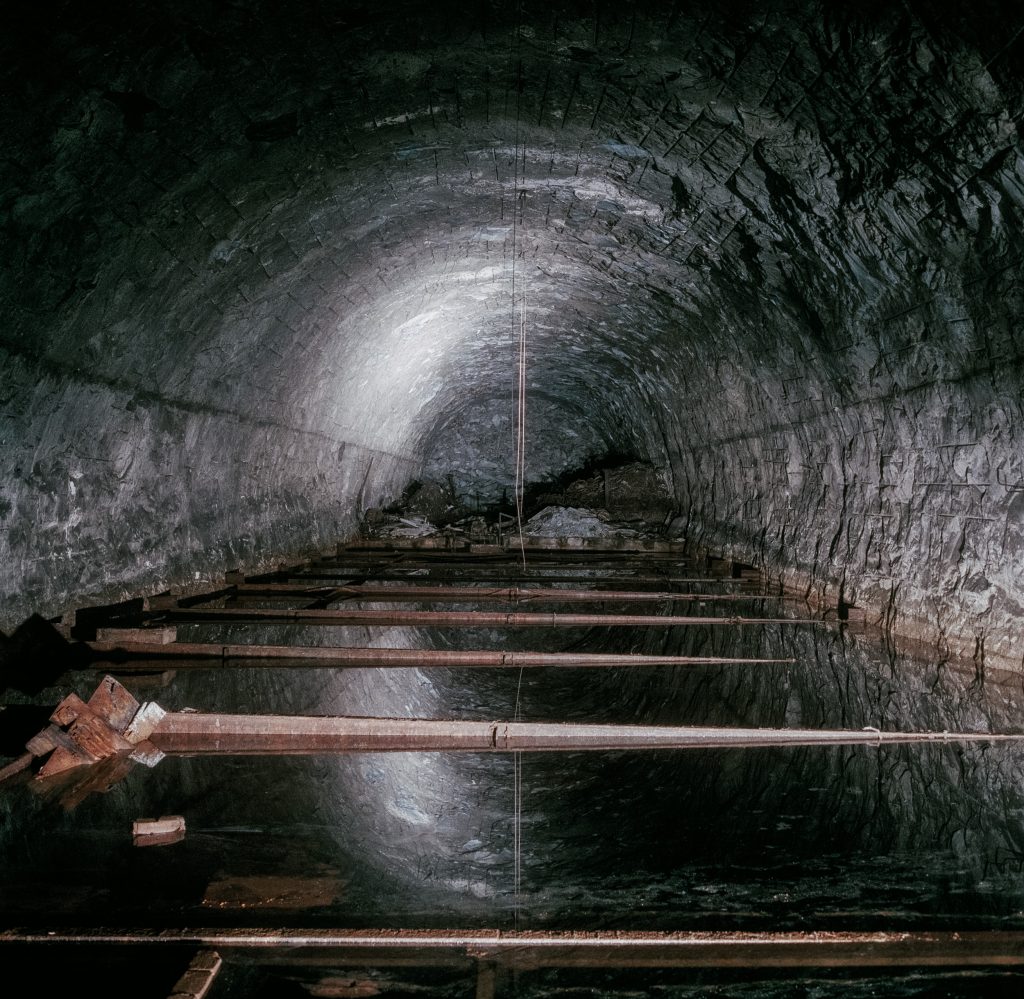
He didn’t get a number there, instead he was made what was called a ‘depot Jew’. He stayed in Birkenau for about ten days, then along with others was taken back to the platform, put back on a train for around three days and nights and eventually he arrived in Buchenwald. They arrived at night and were marched off the train through the camp, down into the ‘little camp’ within the main camp. He stayed there for a few weeks, until one morning [the group] was marched back up to the ramp where there were lorries. They were all loaded into them – 1,000 Hungarian Jewish men basically loaded onto lorries. They set off again and were driven about 120 kilometres to what was the underground V2 rocket factory, which was the Dora-Mittelbau concentration camp. That was where he did his slave labour. He was in the tunnels for about five months. It was in Buchenwald that he got his number – 55546.
When he had arrived in Auschwitz he had been told by one of the guards to make himself older so his records [would give his date of birth as] 1926 when actually he was born in 1928. He told them that he was 18. He also said he was an electrician, because he’d been told this was what he needed to do.
Various documents tell the story of his sisters and he discovered later that they’d been selected for slave labour, which he didn’t know at the time. He had three sisters and two of them, Paula and Jolan, were transported with my grandparents and my father to Birkenau. Of course, after they were separated he never saw them again. He’d assumed for all those years that they had been gassed. That was the family story, that he was the only survivor.
When we went to the International Tracing Service in Germany, they asked, “Do you want to know the fate of your sisters?” They produced records showing they had been selected for slave labour and had been sent directly from Auschwitz-Birkenau to what was called the Gelsenberg lager [camp], in Gelsenkirchen, in Germany.
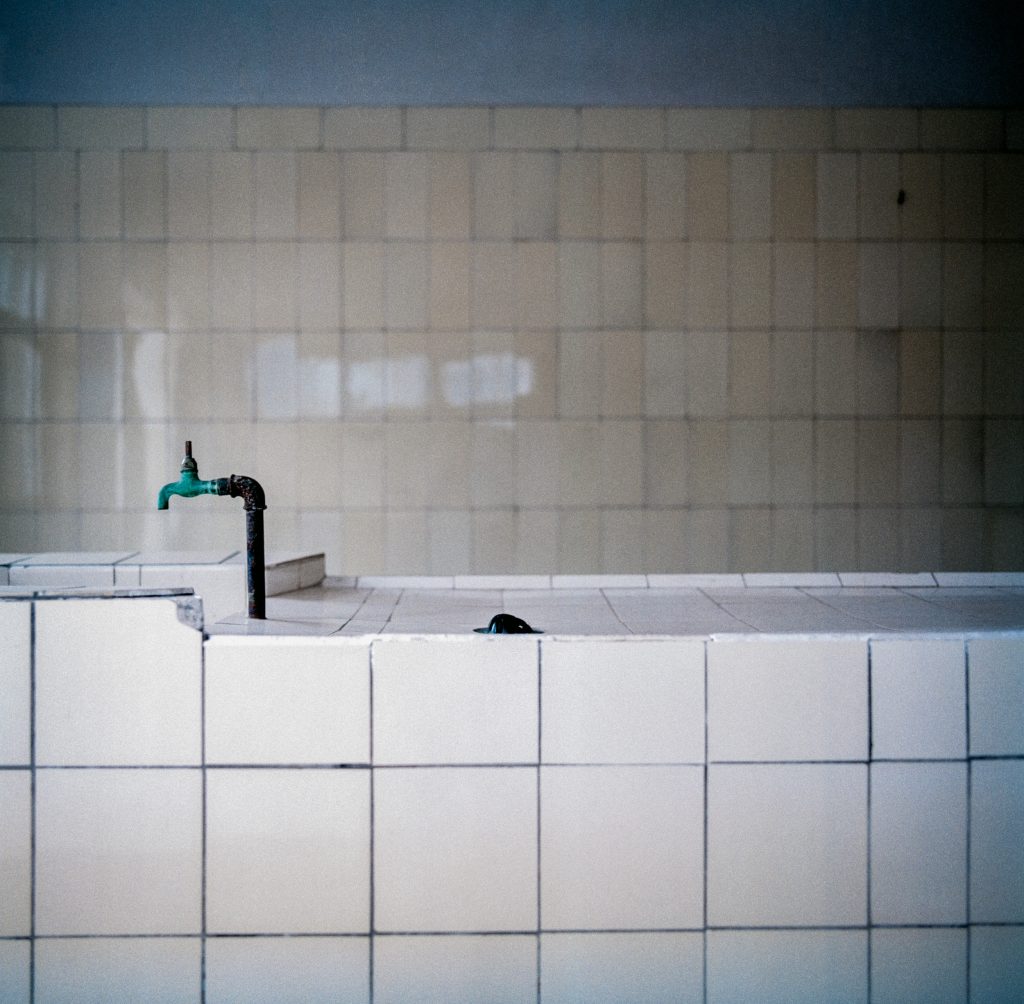
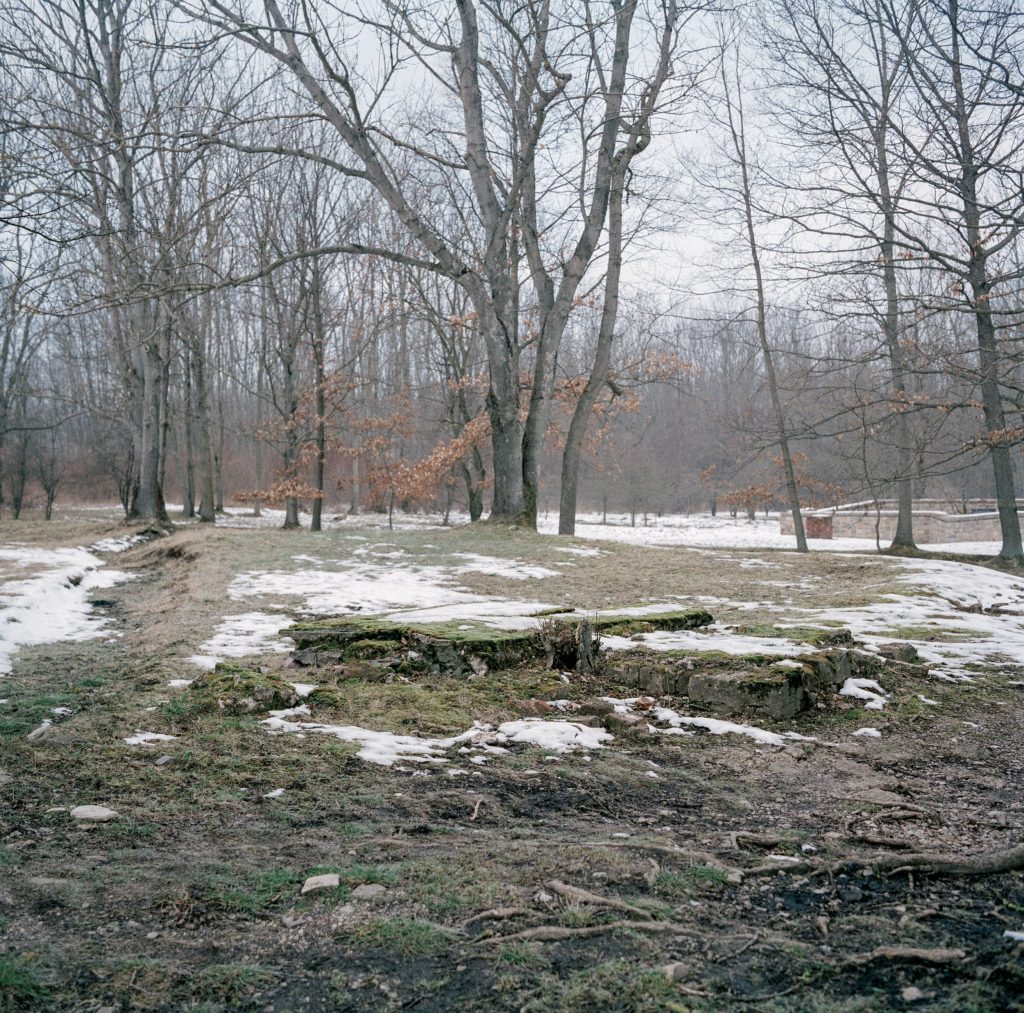
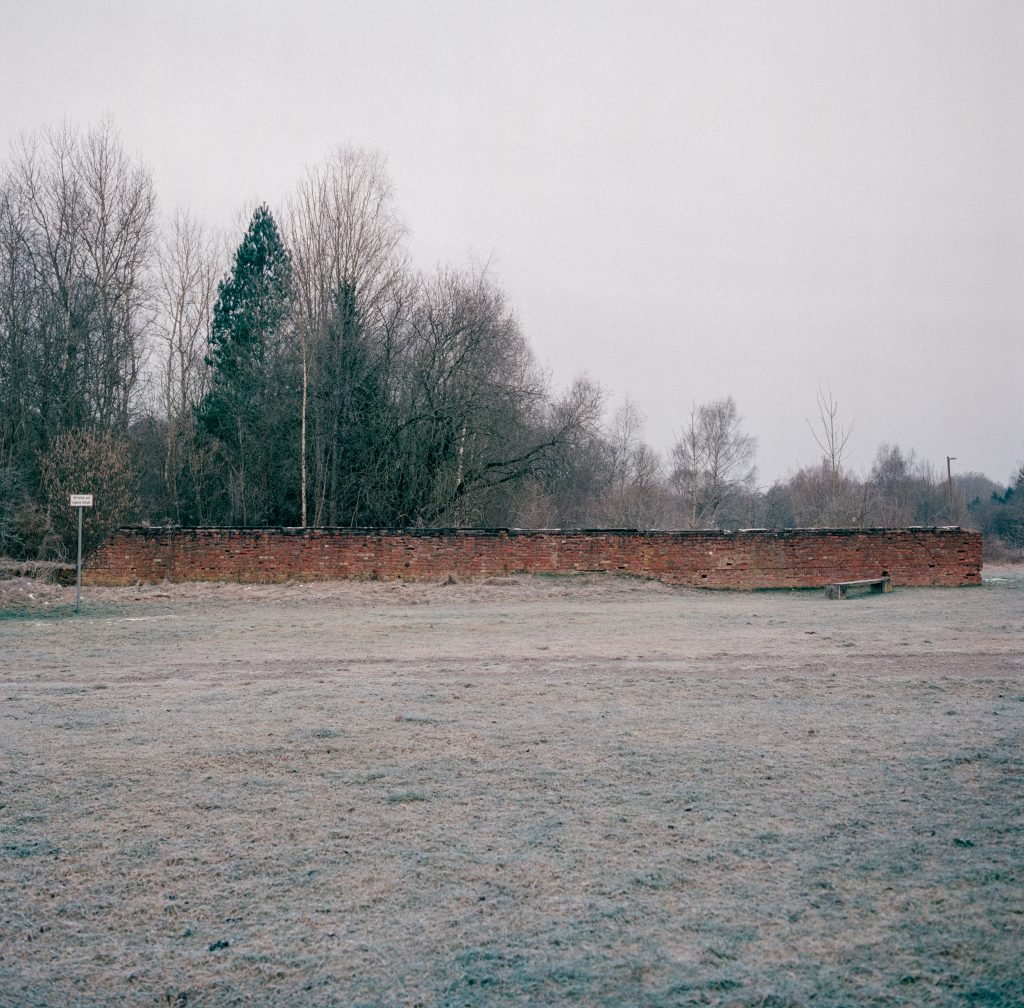
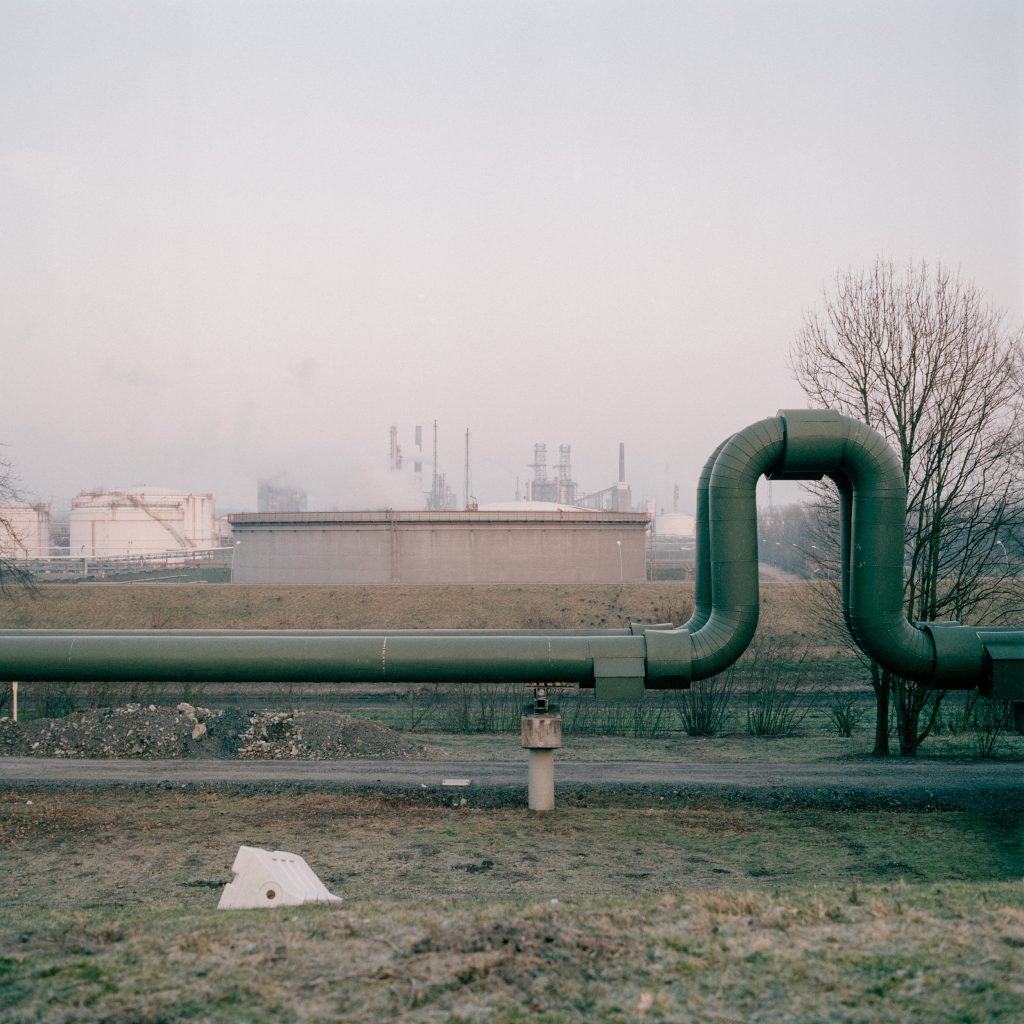
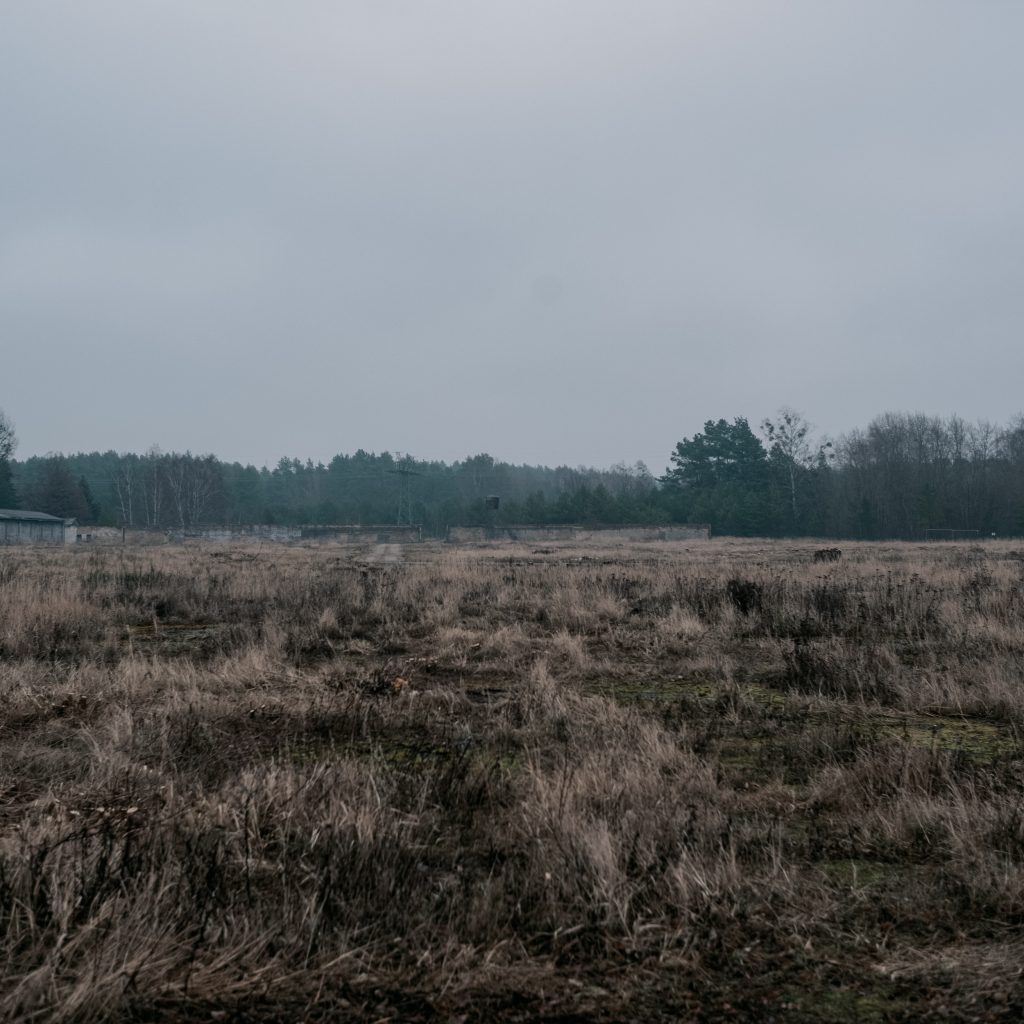
Their basic tasks were unloading barrels of oil from the vans or loading them onto barges, taking them off the barges and carrying them into the factory. As an oil refinery, it was a legitimate bombing target. On 11 September 1944, the RAF bombed the factory; 151 Hungarian Jewish women who were deployed as slave labour were killed in the raid because the SS wouldn’t allow the women into the bunkers. After the bombing, the bodies were gathered up and put in a mass grave. This was apparently set on fire in the field, but there’s no reminder, there’s nothing there. The oil refinery company won’t let you enter the site. There is no commemoration, there’s no plaque, there’s no recognition. [My father’s sisters] are actually buried in a field. His words were, “at least they weren’t gassed”. That’s what he said. His relief was that they had not experienced the horror of the gas chambers.
It was the terrible irony. He was working in the V2 rocket factory and they were working for the fuel manufacturer so they weren’t that far apart. Gelsenkirchen isn’t a million miles away from Dora, but, of course, he never knew that they were there until we got the records.
I think the whole experience of returning – if you want to call it that – was very positive for him because he saw a new Germany. He met young Germans and was able to console them. As they were weeping, he would pat their shoulders and tell them, ‘‘It wasn’t your fault.” He had great human capacity and he was able to say at that stage in his life, “You didn’t do it. It wasn’t your fault, but you now have a responsibility to make sure this doesn’t happen again,” which he was very clear about.
I can’t say there was a healing process because I think his wounds were so deep, he was so scarred by the experience. But he had such resilience that he came out of it and he made a new life for himself.
He met my mother in Germany, she came with the British Forces. He saw her in the back of an army lorry and he thought, ‘She’s very beautiful, I must meet her.’ Eventually he managed to introduce himself and they met and fell in love. Eventually my mother came back to the UK so she arranged for him to come over and they married in 1949. I came along in 1951. There were four children, two grandchildren and he made a very successful career with Marks & Spencer. He started as a porter in Manchester and worked his way up. He had huge success, so we were very fortunate.
It was a long journey for my father, he wasn’t always this gracious but he was quite a noble character in many ways. He rose above the terrible experience. He always told this story about how, when I was a born, he couldn’t stop crying. He wept all day at work and, of course, in those days they didn’t let the father have the day off. But he was just weeping, weeping at work: to think that after everything he had been through, he’d got a new family.
He just loved his family and he worked his socks off for us, he really did, to create a new life. He was a very talented man, he probably would have gone to university. He probably would have been an engineer or something like that. He had great resilience.
I think he basically survived; it was a combination of luck plus when he went into the camps it was quite late on, it was May 1944.
He had this thing – if you look at this photograph of him in Birkenau, he’s in the middle and he’s at the back. He adopted that after the first night in Birkenau; he was in the corner somewhere and the kapo [prison functionary] hit him over the head on the first night. That taught him never to be on the edge, never to be at the side, never to be at the front, always be in the middle.
So he’d make himself small, staying in the middle and out of the way as best he could. He attributed some part of his survival to that and also to obeying orders, to do as you’re told and get on with it. And some of that spilled over into his life: he didn’t want to lift his head above the parapet. He’d get frightened for his family and he’d want to keep us all close to him.
Any time something came on the telly about the camps, it got switched off. He had bad nights. I remember him waking up and shouting out or sometimes he would shout out while sleeping. His stomach wasn’t right for about 20 years after liberation, he had terrible varicose veins from standing on appell [roll call] and working in the tunnels. He had a scarred lung but, physically and mentally, he was a very strong man. He wasn’t very tall but he was as strong as an ox. When he took your hand in his it was like rock. He was amazing: a very strong character.
They just survived and, you know, it was luck whether you went right or left, where you were, where you ended up in the tunnel, whether you could get your piece of bread. It was such a basic level of existence and I know he didn’t think he would survive. He didn’t have hope that he would survive. He just took every day as it came and lived day by day by day: going to get his bread, doing what he had to do to survive.
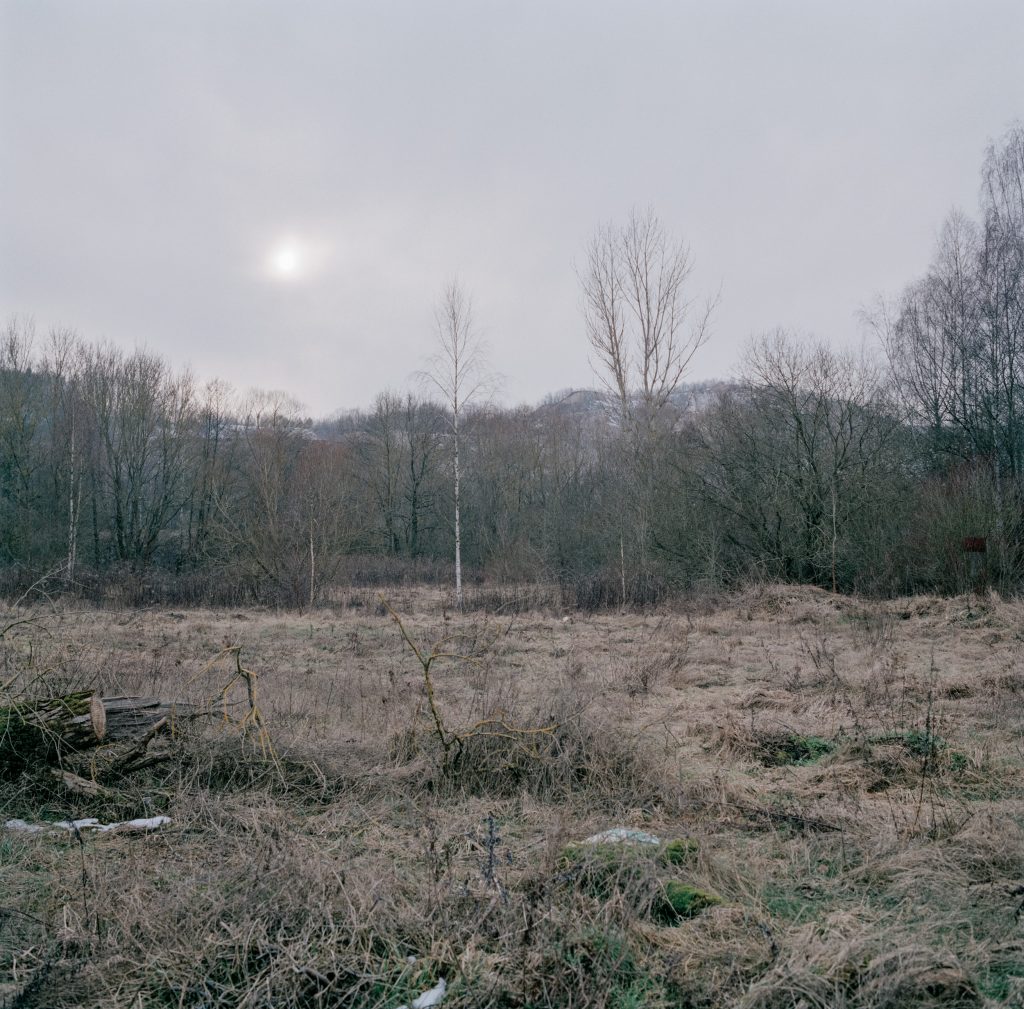
In that last week, when they arrived in Bergen-Belsen after being taken from Harzungen, they were on the train for seven days and seven nights. There were something like 3,000 of them on this train, and only about 500 got off. They were sent all over Germany. No camp would take them and then eventually they ended up at this ramp. There’s a ramp, an area about 6-7km away from Bergen-Belsen; it’s where they got off the trains and then they were marched into camp number two at Bergen-Belsen. It was home to the former SS barracks and they took him to a barrack. All that was there was a concrete floor and they just sat on the floor. No beds – there was nothing.
It was maybe the beginning of March, and, of course, the final weeks before the liberation. My father tells in his testimony that they had nothing to eat and they had nothing to drink. All the systems had broken down.
This is when he witnessed cannibalism. He would see people biting into the flesh of dead prisoners. He said he never did that but what he did was to look in the pockets of dead people for a crumb, to see if he could find a crumb.
There was no grass left because they had eaten all the grass. It was all gone. Then on that Sunday, on 15 April, the British Army entered the camp and they were liberated. He remembers the liberation; he witnessed [camp commandant] Joseph Kramer being arrested and [SS guard] Irma Grese. He saw the Jeep drive in, then the Major got out and hit Kramer in the face. He took his gun from him and Kramer got marched off into this barrack. About 15 minutes later, he came out without his shirt, all ruffled up, and they immediately made the guards pick up the bodies.
And that’s when some of the prisoners went berserk. My father witnessed them throwing about 80 kapos from the top floor of the barracks, throwing them out the window, hanging them, cutting their genitalia off and all sorts. Some of the prisoners went crazy but my father said he was just too weak. He could hardly move. He could barely stand up, so he said he couldn’t really do anything like that. That was the liberation.
He doesn’t remember feeling free, or any sense of elation. It was only at that point that he broke down and he wept after his liberation. He finally realised that he was free but – in his words – in the country of his enemies. He lost all his family, he had no country. Freedom meant very little to him because he had nothing, just himself. He was just a poor creature who weighed barely five stone, barely alive. Around 15,000 of the 30,000 [prisoners] died after liberation. It’s quite a miracle really that he survived all that; it’s totally amazing.
But he lived a good life and he was well known. He was a hell of a character and a true survivor.
I knew from about the age of eight that there was something untoward. I knew that my father had been in the concentration camps but nobody really knew the whole story. He’d reveal little bits but then I had this dichotomy because I wanted to ask him about it but I didn’t feel I could. I couldn’t ask him about it because I didn’t want to hurt him anymore than he’d been hurt. It was my mother who eventually told me. I would have been about nine or ten. I kept asking because we’d go to family parties and there would be nobody there from his side of the family. Why didn’t we have grandparents and why did my father have this accent?
The only photo we had, which I didn’t see until a lot later, was the one of his sister which came from America after the war. Some of the family had gone to America, it was a photo of Aunt Clara – which is why I ended up with three first names, Clara being one of them.
So I was very curious and it was my mother who told me bits and pieces. Even she didn’t know the whole story until the USC Shoah Foundation paid for survivor testimonies to be recorded. A chap called Alan Casson from the BBC came to ask my father if he would be willing to be interviewed.
It took weeks for a decision on that to be made, and eventually he agreed to do it. They’ve got four or five hours of recordings, which was the first time that we heard about the tunnel, about the things he’d witnessed, the hangings, the fact he’d been punished, that he’d been beaten and received 25 lashes. We didn’t know any of this. His teeth were kicked out, I knew he’d had a problem with his teeth but I didn’t know even the half of it. He gave his testimony at Bergen-Belsen and, of course, they asked if I would be interviewed so I agreed. I did a second generation interview where they asked me all sorts of questions about how I’d found out, my view of Germany, how I felt towards Germans, these sorts of questions.
It was the horror of thinking about what had happened to his parents, my grandparents, their final steps. To gas people in such an inhumane way, as if they were rats. It was just too horrible to think about. But you do think about it. This is probably why we do the work that we do. We’re trying to advance human understanding in the hope that no other family has this [experience].
My Auntie Hermina survived Ravensbrück, which was a terrible place. When she came to visit my father, she upset my mother because she couldn’t stop washing up and going round cleaning everything. She couldn’t help it – she’d been so filthy in Ravensbrück that she was just cleaning all the time. You can sometimes feel worse when you’re in the company of people who haven’t been able to process it.
What we did, and I did, instead of being frightened of Auschwitz, I thought the only way to confront this fear – because I had no image of it in my mind – was to go. It took me a few goes and the first time I went, I couldn’t actually go through the gates in Birkenau.
We took some of my father’s ashes. He wanted to be cremated and to be with his first family, so we took some ashes back to Birkenau. We scattered them in Birkenau but he wanted some of them to be with his family.
That was a bloody tough one, was that.
— Told by Eugene’s daughter, Lilian Black OBE