The family of Noga Breier
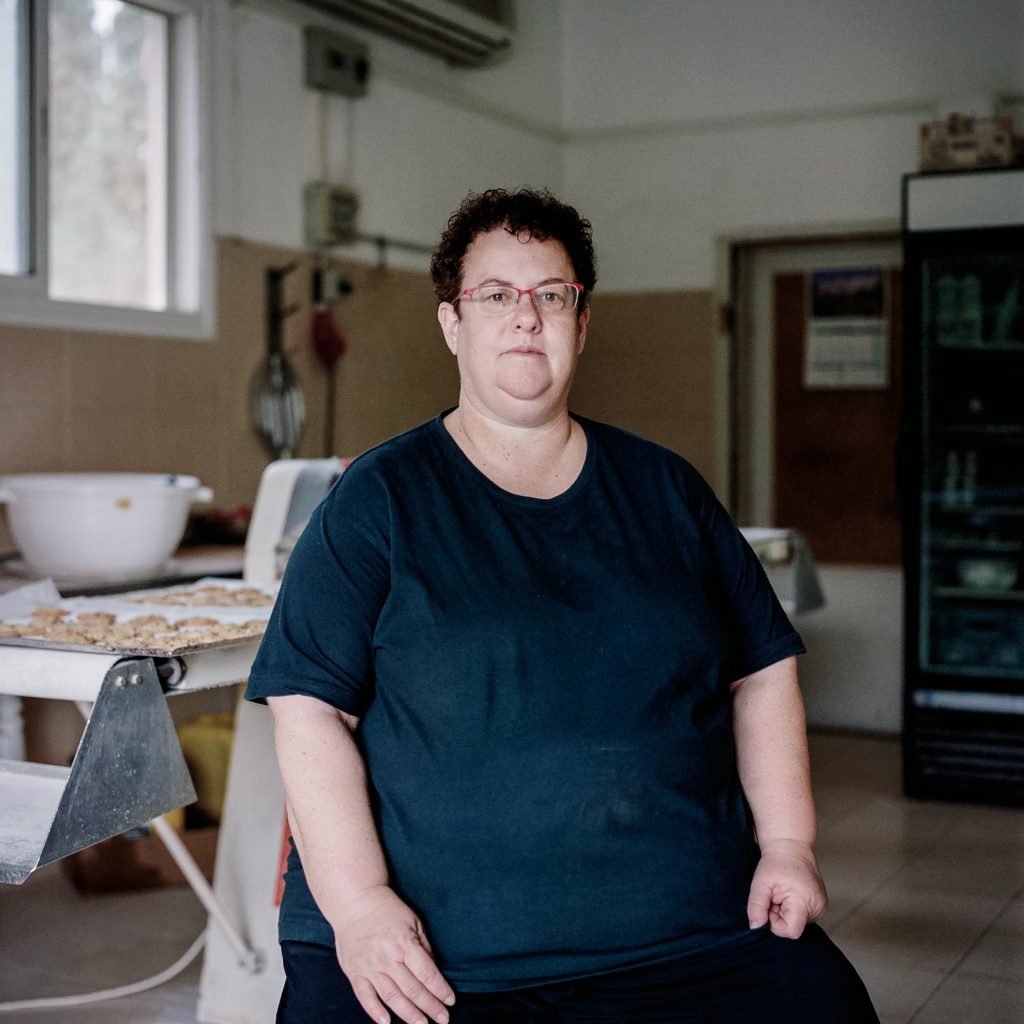
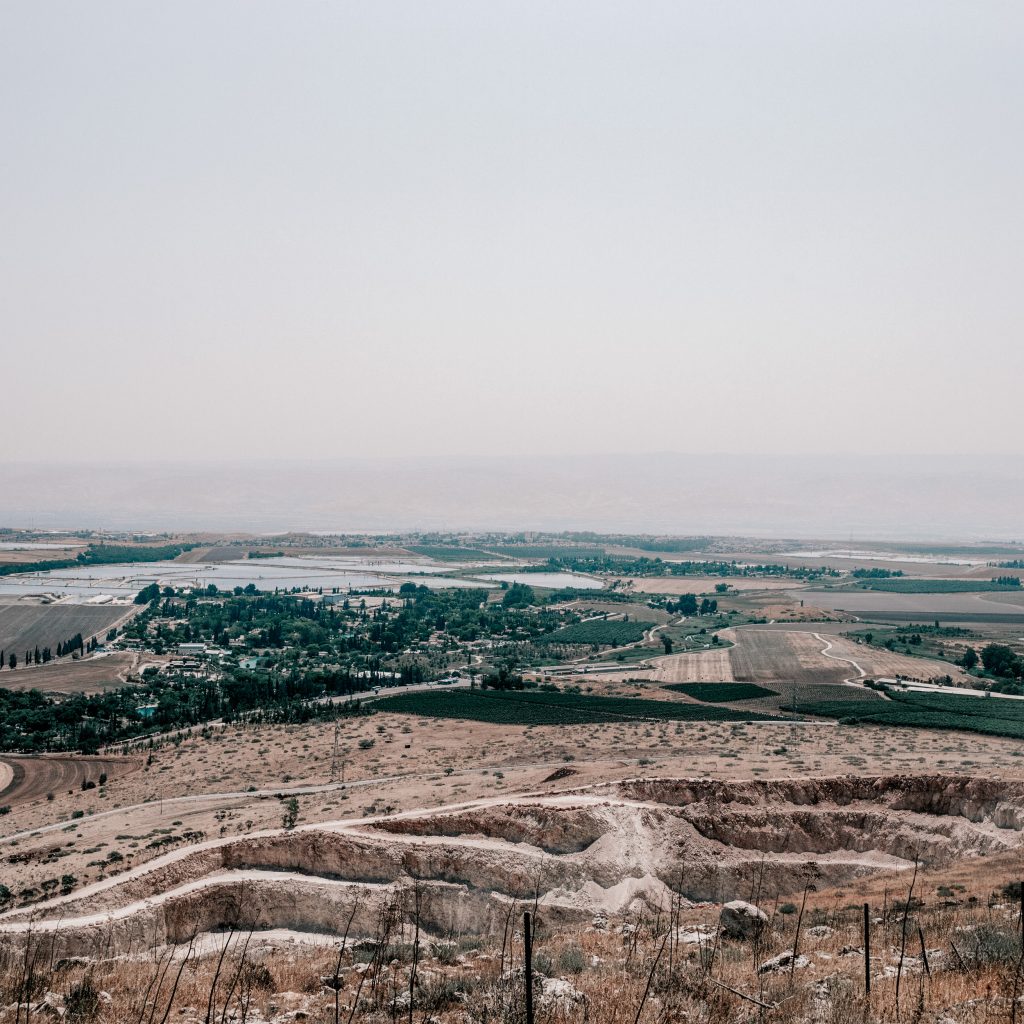
Noga Breier. Kibbutz Nir David, Israel. 6 December 2017.
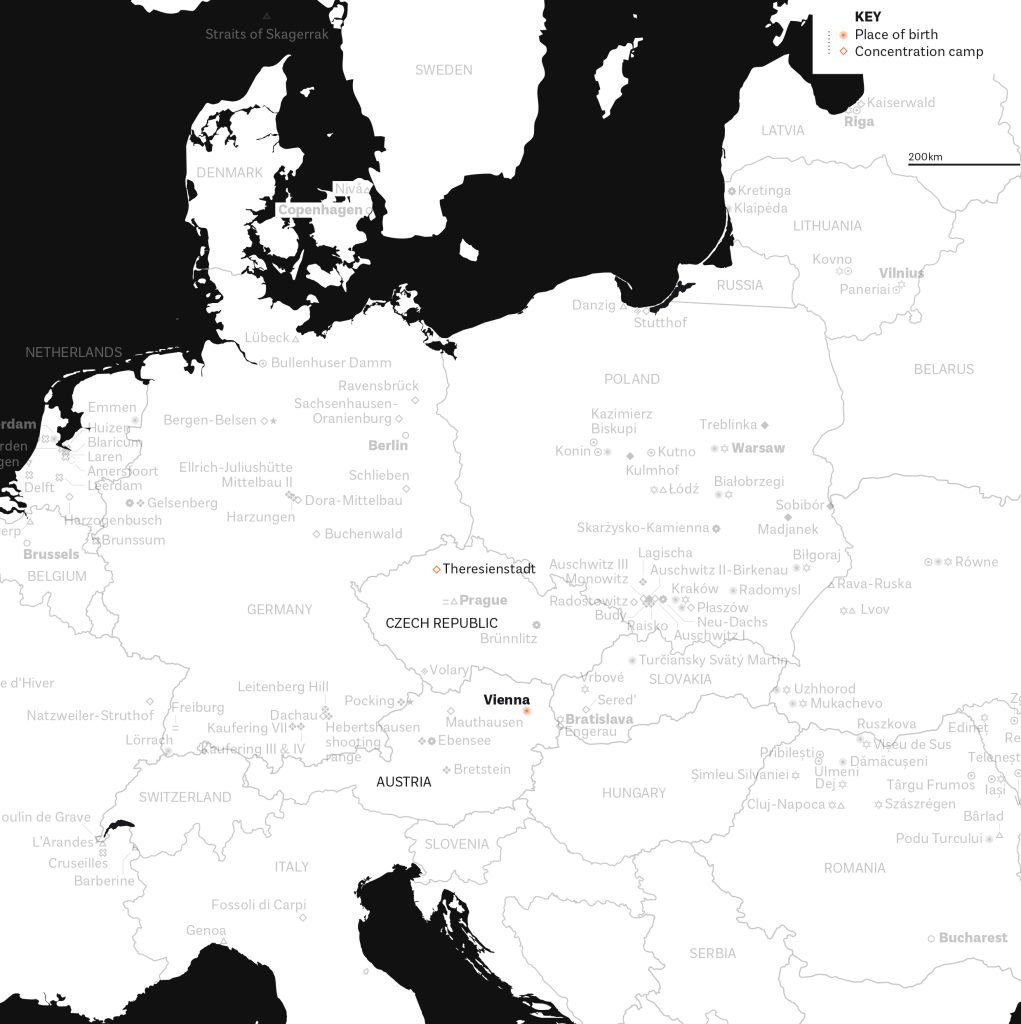
I am second generation but not typical because my father was very young. He was born in 1939 in Vienna and taken to Theresienstadt concentration camp in 1943. He was in the camp from the ages of four to six.
So he remembers very little, and I didn’t grow up with the story because from him there was nothing to tell. But his sister typed up the story of their grandfather and that was the story of everything that happened. They were a family: a father and mother and three children. My father was the youngest. His father was a carpenter who had a workshop in Vienna. They were taken to Theresienstadt and his father made a lot of things for the commander. His father was meant to be on the train to Auschwitz but they took him off because he had not finished the work for the commander. He said, “If you want me to finish the work, then take my whole family off.”
My father had an older sister and an older brother and they took care of him because his parents were kept in another part of the camp. After the war, they sent the children to Switzerland and a family took care of them for a few months until their parents managed to give them a normal life in Vienna.
They returned to Vienna and my father’s mother died soon after. She got sick and they could not save her; his father eventually remarried. My father joined a group and came to Israel when he was 18 to work on a kibbutz.
They had different names when they came here, they chose Hebrew names. He came here with his sister, along with people from Switzerland, Italy and Austria. His older brother had come to Israel a few years before, to another kibbutz.
My grandmother died when I was three and my grandfather when I was six. We have returned to Vienna and seen the old workshop where my grandfather worked. They did not speak with their grandchildren much because we did not know German and they did not know Hebrew.
That’s why it was important that my aunt wrote down the story. Before my grandfather was taken to Theresienstadt, he was in work camps for almost a year. When my father was young, his father was not at home because the Germans had taken him. He said that my father was very sick in the camp, he had polio and for six months he couldn’t move his legs.
We spoke about [the Holocaust] all the time because here we have Memorial Day, where it’s customary for children to take flowers from the garden and light candles. We heard the stories once we were grown up but we tried not to let them affect us, even my father [tried not to be affected] because he was a young child.
It is important that people know it happened. And that it can happen. And that you must do everything you can to not be like that.