The family of Gennady Mikityansky
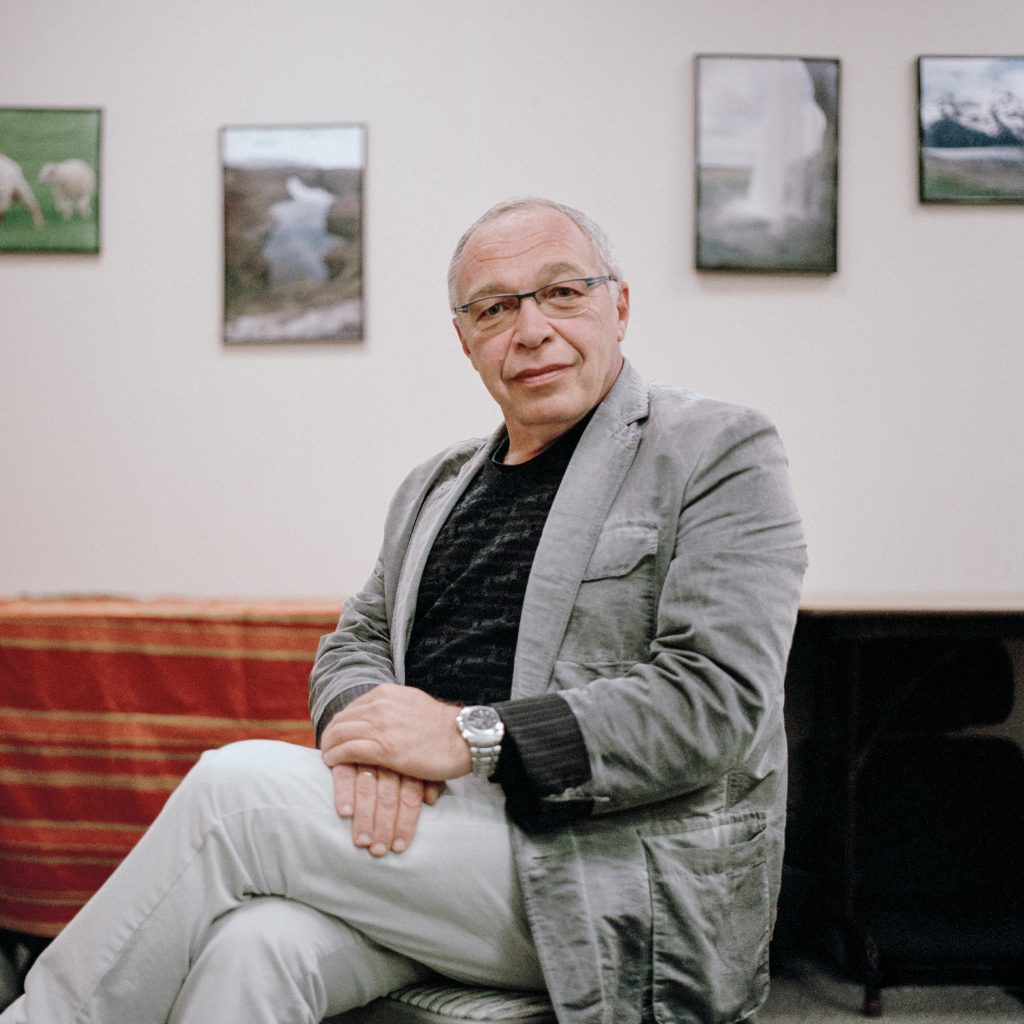
Gennady Mikityansky. Walnut Creek, United States. 3 November 2017.
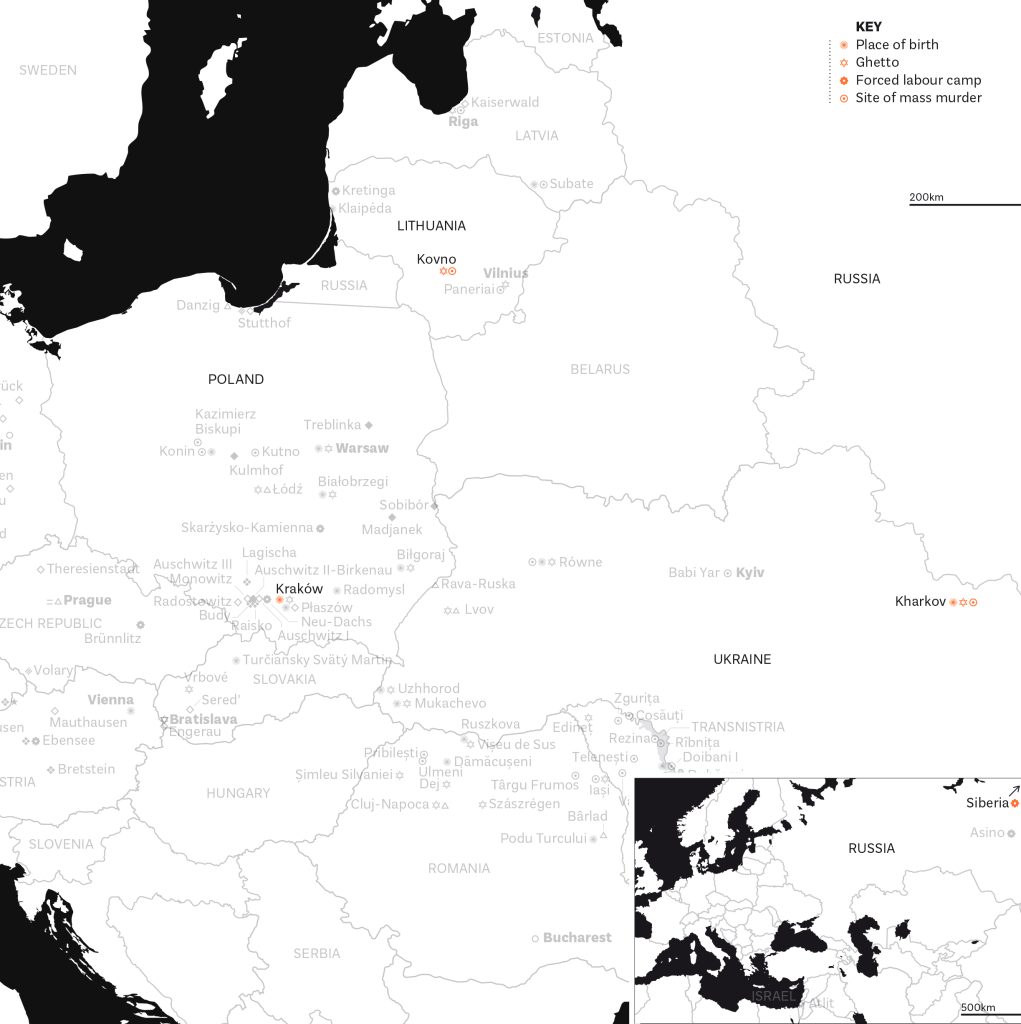
I’m from a family of Holocaust survivors. My dad – may your soul rest in peace – was born in 1935 in Kharkiv in Ukraine, and my mom is from Gomel, in Belarus.
Gomel is very close to Minsk, the capital of Belarus. Fortunately, there wasn’t a ghetto in Gomel so the people had time to evacuate, mostly to the Central Asian republics. Both my parents had time to evacuate, that’s why they survived and why I’m sitting here. After the [Russian] revolution, in my birth city the Soviet government was against any kind of religion and mostly against Judaism.
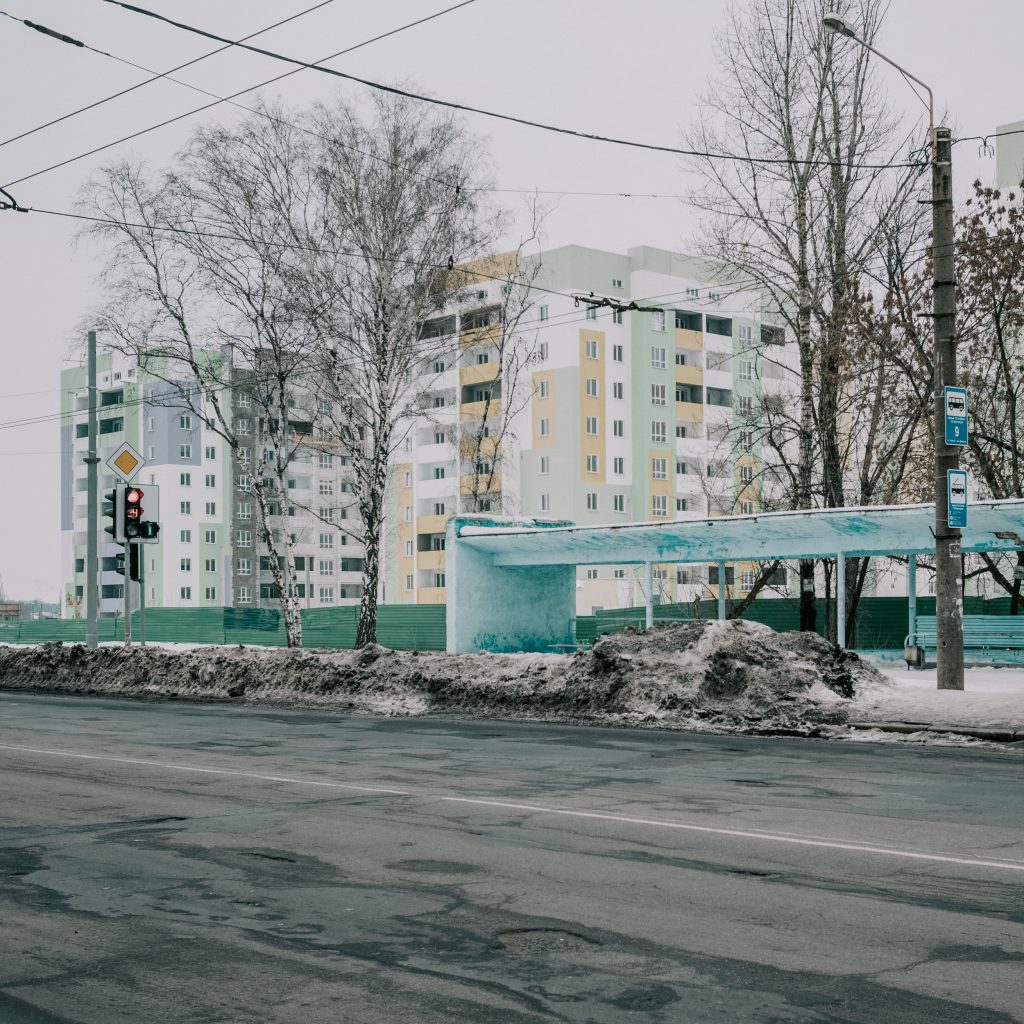
Kharkiv had the second biggest synagogue in Europe. In 1927 it was closed and they opened a gym in the synagogue. When I was young I was a powerlifter, so I had to practice every day, spending two or three hours there.
Only after 1991 did the government return the synagogue to the Jewish community. It was against all the rules in the former Soviet Union to talk about your religion. Under the Soviet Union, my grandfather was the leader of an underground synagogue in our city. On every Shabbat he never worked and I asked him, “Grandpa, why are you not working?” He told me it was because of Shabbat. I asked, “What is Shabbat?” but he never explained.
He never told me because the Soviet people were mostly scared about the situation. When he died, in his will it stated that he wanted to be buried according to Jewish tradition. So when the Rabbi came to our house, within five minutes – literally, five minutes after he started to pray – three policeman arrived. It was the militia back then. They came and they told us – I was a young kid, but I remember this to this day – they told us, “You have two choices: you stop right now or you’ll spend the next five years in prison.” Of course, my parents stopped.
And my grandma, I remember her. They didn’t want to talk about the Holocaust. I didn’t hear the word Holocaust until I was 12 years old.
My grandma from my mom’s side gave me a book about Jewish history in the old Russian language, dating from before the revolution. It was published in 1912. I started to read it and started to ask a lot of questions.
In my wife’s family, the story starts with her grandma during the Holodomor [the Great Famine in Soviet Ukraine]. That was when Bolshevik government decided to take all the crops from the people and send them to Germany. Between 1933 and 1934, more than seven million people died from hunger. I was told that the younger sister of my wife’s grandmother was kidnapped and eaten.
The Holocaust story is a very sad story. My mother-in-law’s father worked at the university in our city and was responsible for clearing everything from the building. They had tickets for the train bound for the Central Asian republics, but he was very responsible and wanted to evacuate everything from the university before he left.
It was last day and literally the last train from Kharkiv to Central Asia. While he was trying to finish clearing the university so he could leave, something fell and broke his foot. So he decided to go back to the city and stay in his brother’s house until he was able to join his family. Within two days, the Nazis had occupied Kharkiv. On the third day, every Jew had to go to the central square. He went to the square and was marched 12 km to the KhTZ tractor factory.
In Kiev, you’ve heard of Babi Yar? [Babi Yar is a ravine and the site of several massacres by German forces during World War II]
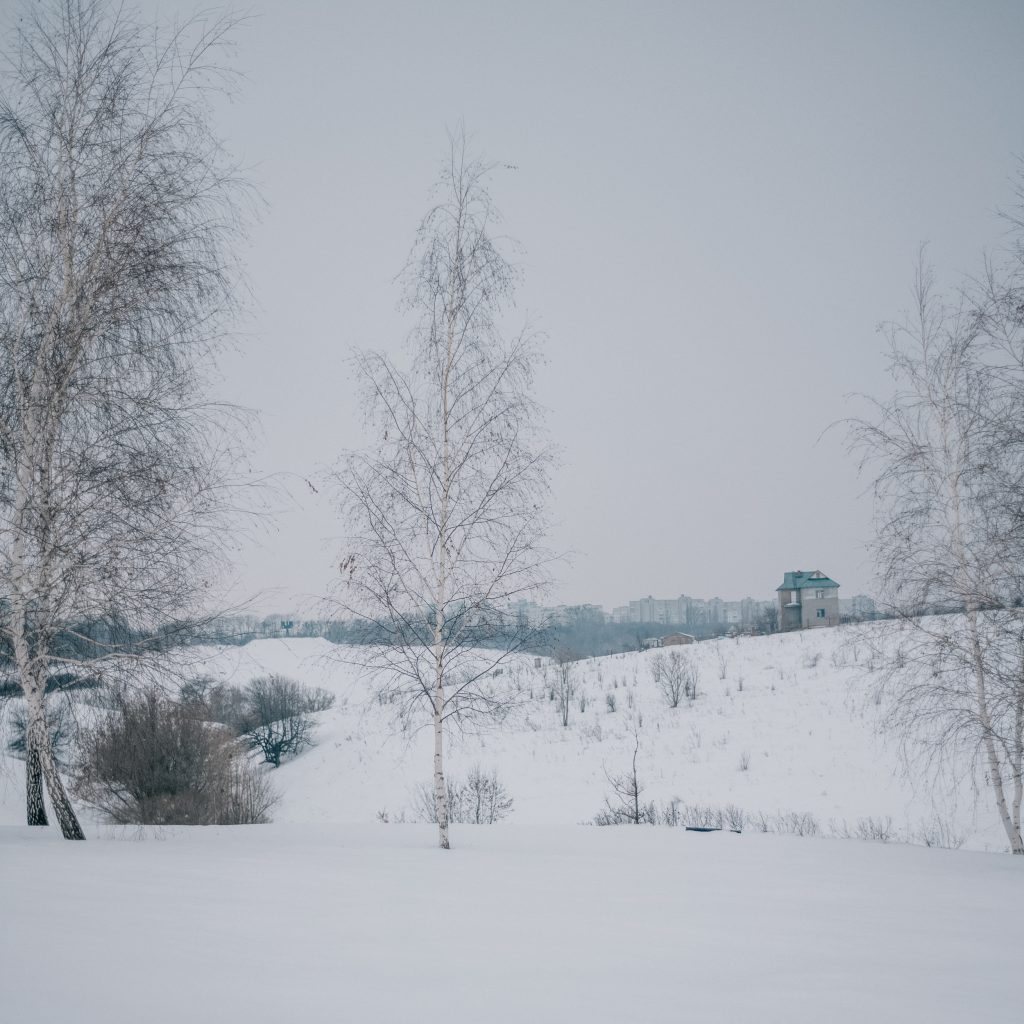
In Kharkiv, it’s Drobytsky Yar. And more than 30,000 Jews were killed there. He died there.
His name was Joseph Horovsky, it’s the maiden name of my mother-in-law. He died there but his cousin, during this march, she had her very young daughter with her. The child was able to push through the open door of a building and a Ukrainian family adopted her.
They raised her. Her mom died in Drobytsky Yar and this child, her daughter, was raised by Ukrainian people. They gave her another name, instead of Silla, they started to call her Ira.
They gave her the name Ira and she was raised by them. She never knew she was Jewish or the story of her parents. Her adoptive parents, before they died, they told her the story. For her it was an unbelievable trauma because she was not only a Jew but she’d never heard the story of how her parents had died.
In Kharkiv, they didn’t erect a monument until 1993. They opened this monument and it was very small and detailed how a number of Soviet people died here during Nazi occupation.
My parents did not talk a lot about the Holocaust. In the former Soviet Union there was nothing in the history books. Nothing. I love history: I read a lot of books during the Soviet time and not even a single word. Because the word Jew, it’s like a swear word. They were born in 1930s, so they were kids when the war started. They remember the evacuation. They told a lot of stories about the evacuation, but we were never told about the Holocaust.
They were scared to tell this story. Even my grandfather never told me about Judaism. So they never told us but after 1991, when Ukraine became an independent state, a lot of historical material about the Holocaust was published.
And people started to understand what had happened during this time.
Not only students or young people: everybody knows about the Holocaust. It’s good that people understand what happened back then.
My mother-in-law, after I knew her for 40 years, only after 1991, she started to tell me her stories and about her father who died in Drobitsky Yar. I know this story in the minutest detail because I heard her tell it a hundred times.
We have to tell the truth. It was not only Nazis. There were groups of Nazis officers, but there were other people who did this job, who killed them, they were local people.
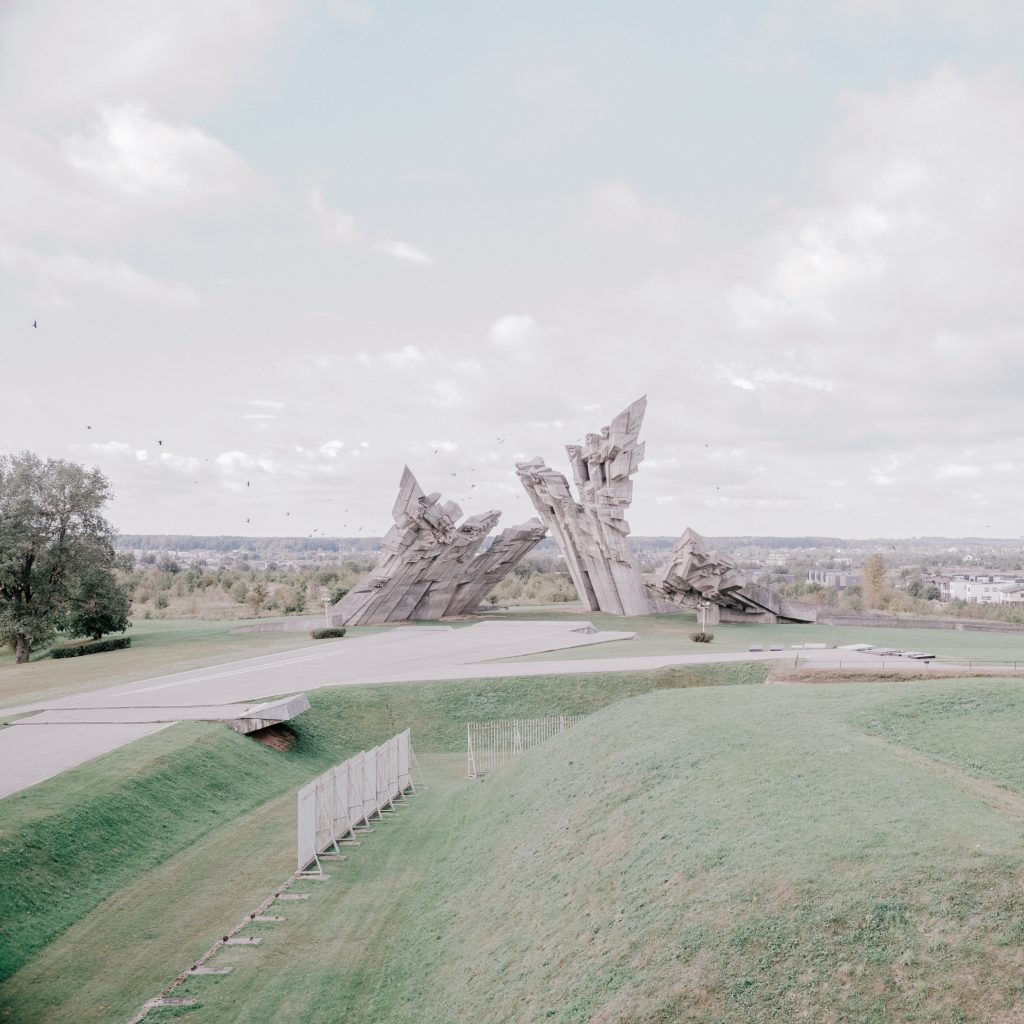
I have a very small family but my wife’s family are big and they have a lot of relatives in Lithuania and Latvia. In Kaunas there was the famous Ninth Fort, a military place in Kaunas before the war. It was built before the Great War. During the Nazi occupation of Lithuania and Latvia, it was a concentration camp where members of my wife’s family died. If we start to count how many people from our family died in the Holocaust, it’s high.
I work with Holocaust survivors from the former Soviet Union and I can divide them into different groups. Some of them really want to talk about it, others absolutely not.
Sometimes people don’t want to talk because they are very traumatised and, of course, you understand; [it concerns] their parents, their kids, their relatives and neighbours. They spent their whole lives with them and they died. It’s unbelievable trauma for the rest of their lives. Some people decide to talk about it, others do not want to trigger the trauma.
— Told by Gennady Mikityansky