










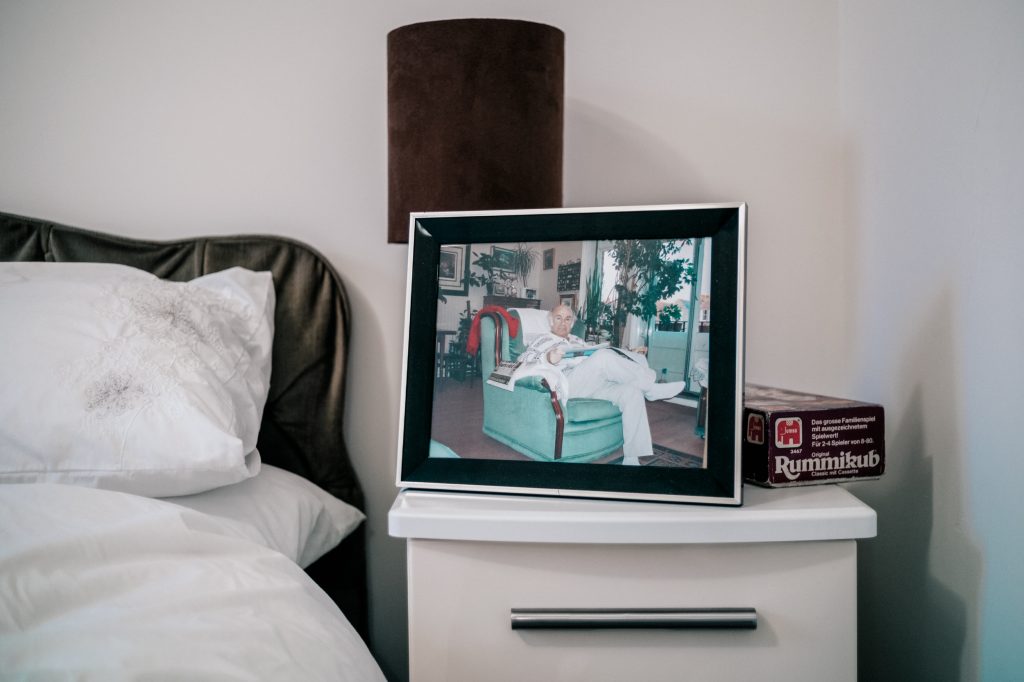

Kopel Kendall
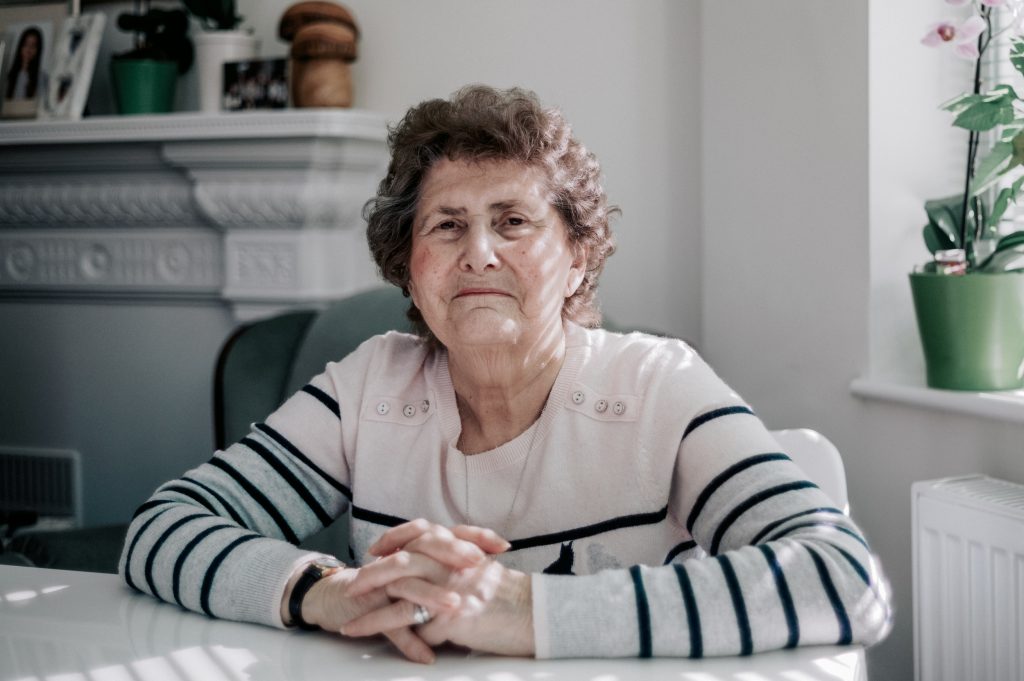
Vivienne Kendall, widow of Kopel Kendall (born Kopel Kandelzucker, 1928-2009). London, United Kingdom. 15 March 2017.
My husband Kopel was born on 7 March 1928 in a little town called Białobrzegi in Poland. He lived with his father, mother and two sisters. He went to a Catholic school until he was five and then he went to a Jewish school. His father was a religious man and Kopel went with him every Saturday to synagogue for Shabbat.
Germany invaded Poland on Friday 1 September 1939 and life changed dramatically for Kopel. Transports of German soldiers arrived in his town and there were no more schools for Jewish children. All Jewish businesses were closed down, including his father’s business. Life became more difficult.
In 1940, the Germans set up an office in the town and that’s when the real trouble began. Every Jew had to wear the yellow star on their arm to indicate they were Jewish. The Germans turned half the town into a ghetto by putting up fences. Jews had to share their homes with other families and live in cramped conditions. There was no food so they had to sell their possessions to get money to buy food.
His father disappeared and they never saw him again, so Kopel had to look after the family. He was friends with the local commandant’s son who fortunately helped them by giving them food. In the ghetto, many Jews died as there was no proper medication or sanitation.
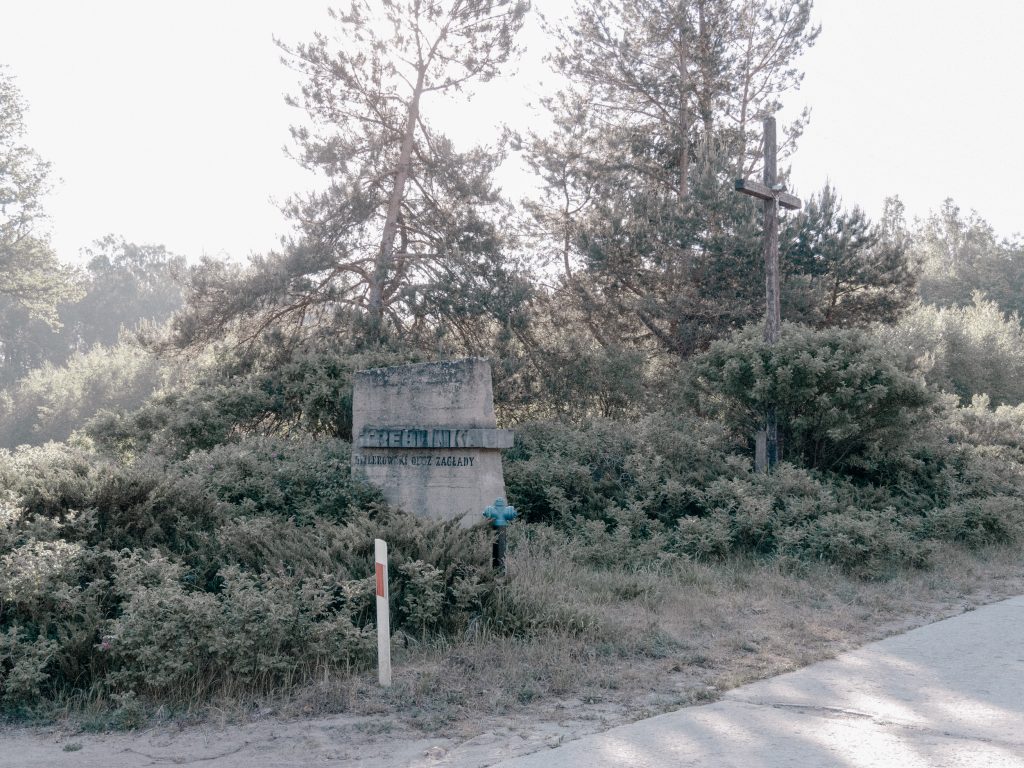
In the summer of 1942 the deportation started. The people in the ghetto were given five minutes to get to the town square. Kopel, his mother and his sisters arrived there safely despite the fact that the SS were firing constantly. Kopel was hit on the head and pulled away by his friendly policeman and was put into a working column. He later found out that his mother and sisters were sent to Treblinka, which was where Jewish people were killed on arrival.
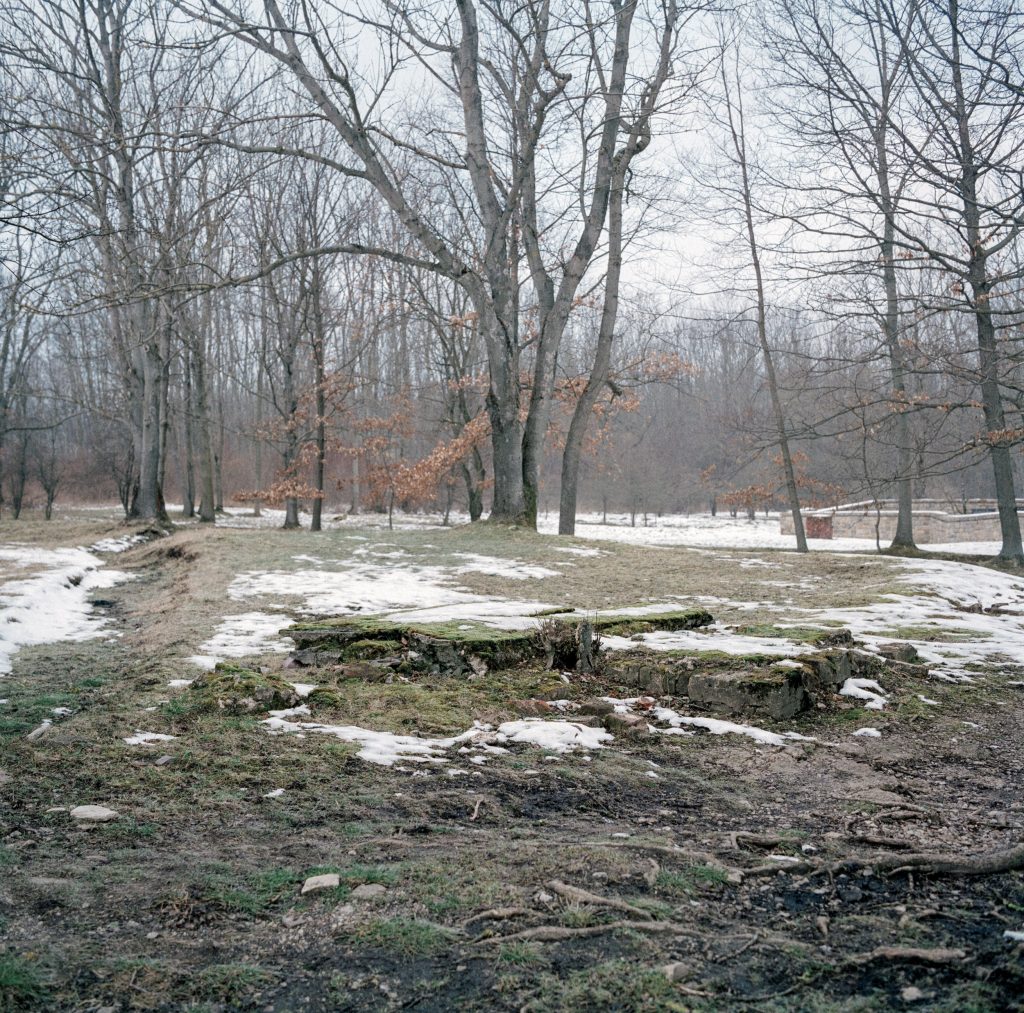
In 1942, Kopel was told that he was going to be sent to work in a camp called Skarżysko-Kamienna, a forced labour camp where Jews worked in an armaments factory making warheads. The conditions were terrible in the camp as it was still being built. Although Kopel was only 14 years of age, he was told to say he was 16 years old and a carpenter.
By 1943 the camp was finished; there were bunks stacked one on top of the other. Kopel decided to sleep on the top bunk; it was the driest place as inmates would urinate where they slept during the night. Every so often there was a selection where you had to pass in front of the SS guards so they could see who was still fit enough for work. Kopel was terrified but he tried to walk upright with his shoulders back. Unfortunately he caught typhus but he was one of the lucky ones, as a nurse took pity on him and hid him in a corner when the SS came to take the sick prisoners away. If you were taken away you were never seen again.
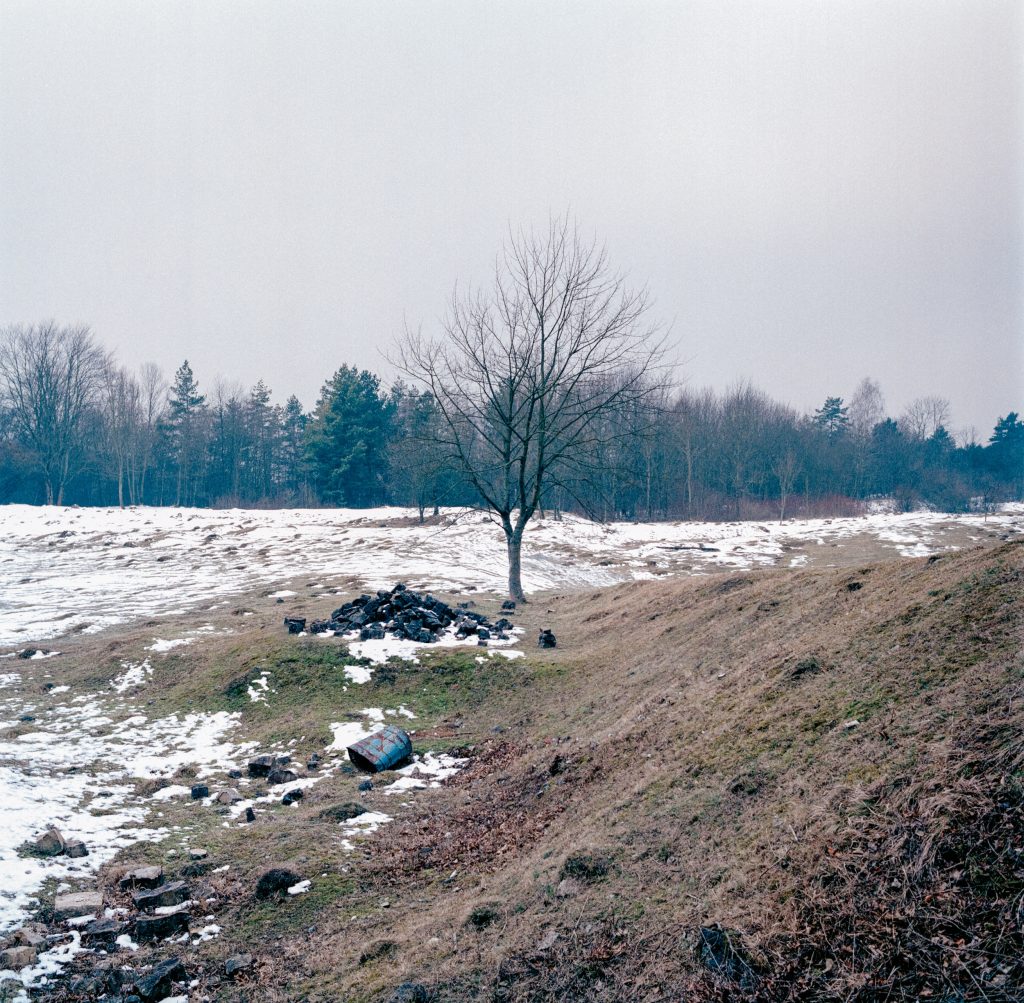
In the summer of 1941, Kopel was sent to Buchenwald. While there, he met some of the boys who also ended up in England with him after liberation. He worked in the quarry, carrying rocks against another team. He said there was no end product to this activity.
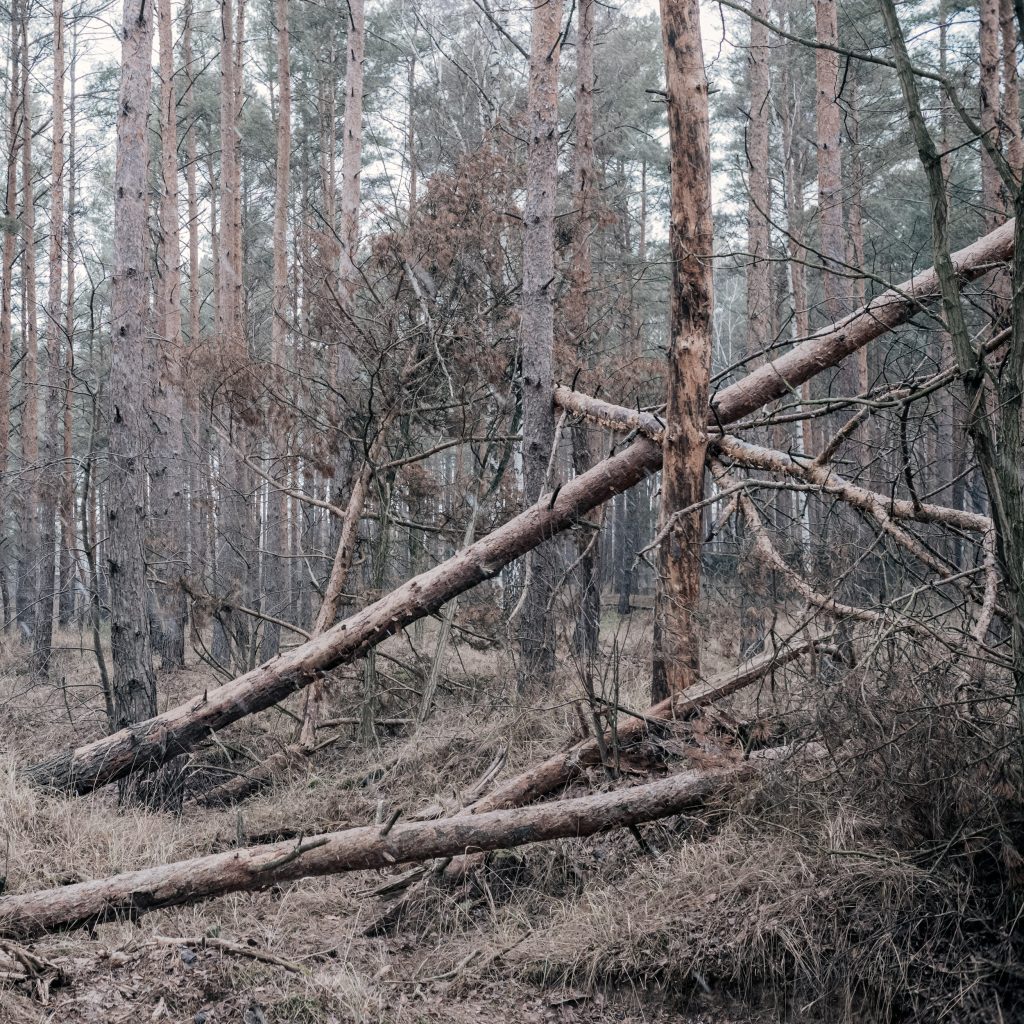
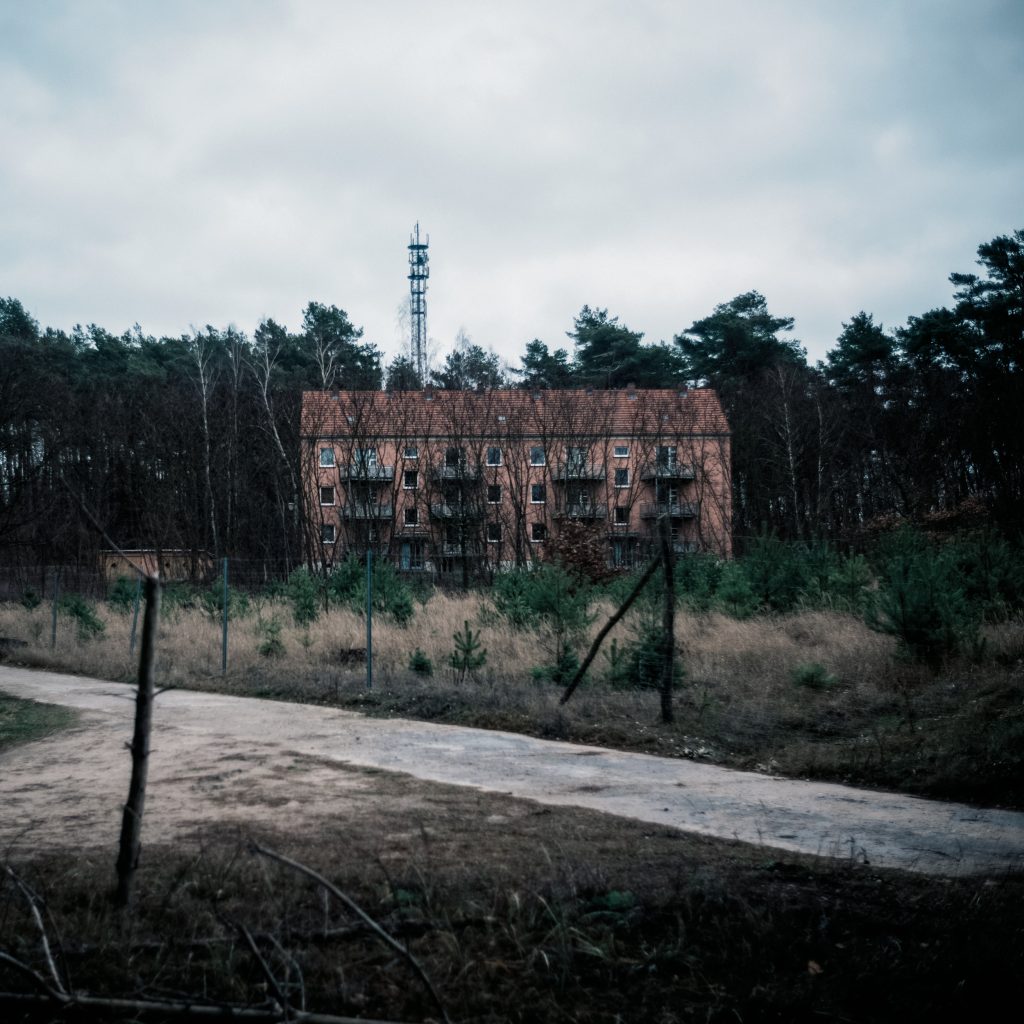
He was then sent to Schlieben in Germany where he worked in the HASAG armaments factory. Again they asked his age: he said 16 and a half. He had very little food and conditions were terrible. The slave labourers were making warheads for the Panzerfaust anti-tank guns and they had to use chemicals such as liquid mustard for the warheads. Being exposed to the poisonous gases made them all turn yellow and made everything taste bitter.
The SS wore protective clothing, but the prisoners just had their pyjama-like stripey uniforms. Later, some prisoners sabotaged the factory, which was inside the forest; the factory was badly burned and the forest caught fire. He ran away and it took the SS guards sometime to round them up, unfortunately they had nowhere to hide. By now, Kopel was getting very weak and he had to work hard to rebuild the factory. Towards the end of February, the prisoners were put into wagons, about 40 prisoners per wagon and two old guards. This was where Kopel met his friends Jan Goldberger and Simka Leberman, and the three of them found a little corner together.
The journey should have taken about eight hours but it lasted about 16 days. They were given no food during this time. The Allies kept bombing the track so every time the train stopped, the guards let a few prisoners out to find food as the guards didn’t have any. Kopel and his friends were thrilled to see the Allied planes and they thought that maybe the Allies were winning the war.
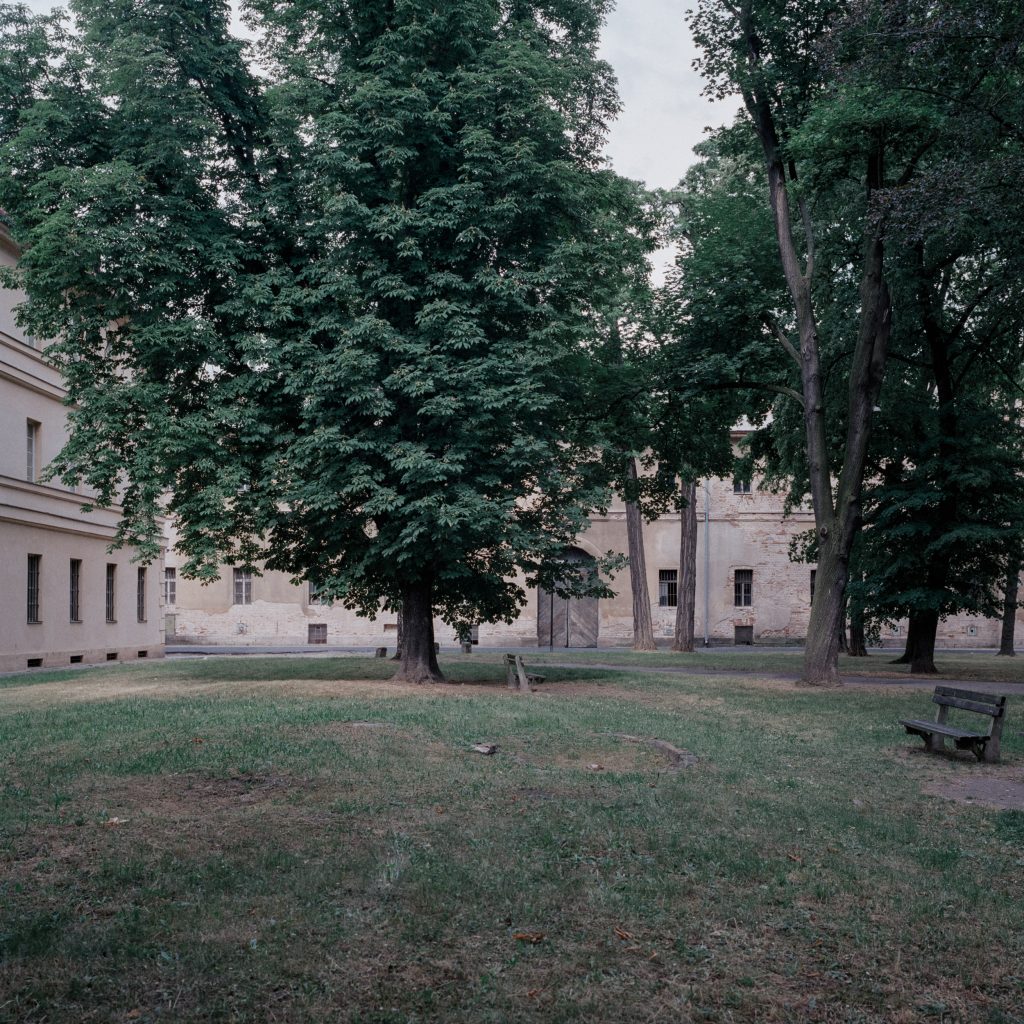
Finally they arrived at Theresienstadt [concentration camp]; they were in Czechoslovakia. Not many survived the journey and, there, they were finally liberated on 8 May 1945. Kopel arrived in Windermere in Cumbria on 13 August 1945. He came as one of 732 child survivors, including just a few girls. They had all lost their families. They all became a new family and, even today, they are still one big family. They really needed each other to talk to as they understood each other, having lived through similar experiences.
I met Kopel at a dance in 1955, we noticed each other straight away. We married in 1956 and have three lovely children and six grandchildren. We had a lovely life together. I miss him but it’s important to keep his memory and his story alive which is why I tell his story at synagogue. Since then it has changed my life and giving me so much confidence.
You know, he was quite nervous. They sent him to this clinic to be assessed by a psychiatrist. And he walked into the room and started screaming. There was this table and all the doctors were in white coats.
He said it was as if he was back with the Nazis.
He never liked authority, he was always nervous. When the VAT people would come to check the business, he was a wreck.
There was a woman in our synagogue who believed in ladybirds, who gave him a hankie with a ladybird on it. He treasured that hankie, it went everywhere with him. And when he was going into hospital, because he had lung cancer, there was a ladybird running across the carpet. He said that was a good sign, because there is this tale that when the bodies were burning, all these ladybirds came over and spat at the flames, trying to put them out.
— Told by Kopel’s wife, Vivienne