

Ronja Beecher
Ronja Beecher (b.1936). New York, United States. 3 December 2018.
This is what I would like people to know.
Around our house we never talked about it. Having escaped over the border and been away from my parents for two and a half years, and going from French school, to a German school and then to America, I always felt a little bit different every place I went. So when I came here, I just wanted to get on with life and we just never talked about it.
My father was born in 1910. His mother left for the United States in 1925 so he raised himself.
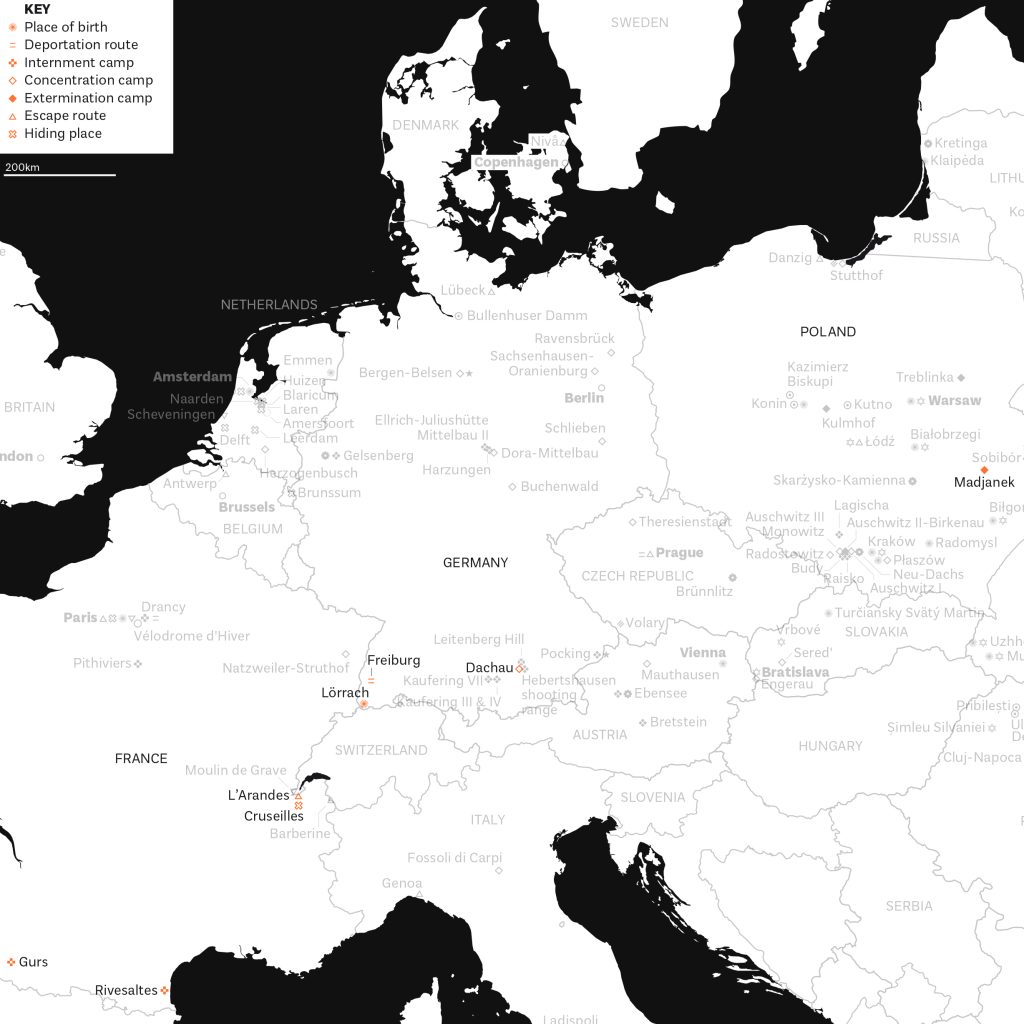
He became a cantor [prayer leader] and was sent to Lörrach in Germany where my mother, a dressmaker, lived. After a short courtship they married in 1935. I was born in December 1936, three years after Hitler came to power.
Things were already going downhill in Germany for the Jews and in 1938, two years after I was born, Kristallnacht took place, when all the synagogues were burned and Jewish shops were attacked. After Kristallnacht, they went to the home of every Jewish person in the entire Baden area. They took all the Jewish men out of their homes and put them into freight cars on the train to Dachau.
He said they were stuffed in so much they couldn’t breathe. It was really awful because there were people who were old and they were barely able to breathe. And then, when they got to Dachau, they were pushed out with bayonets and sticks and led over a bridge. He said they made them go into Dachau, he called it a paradeplatz, and made them stand there in their wet clothing for a day and a half. Then they had to stand there naked. They would just find ways to humiliate the people.
They wanted to humiliate them, they wanted them out of Germany. They wanted them to feel that this was no longer the place for them. And then, after about six weeks, they released some of the men, including my father.
They didn’t give them any money. They had shaved their heads, they put them on the train and he went back to Munich where he got some money from a Jewish organisation to go home.
His synagogue had been burnt down so he no longer had a job and the people he worked for sent him to Freiburg to become a teacher for all of the students who had been thrown out of the public schools. At first they went to the Lessing Realschule [school] where they had two rooms. They couldn’t have recess at the same time as the Aryan kids; they couldn’t use the same entrances as the Aryan kids. Then he worked in a community centre next to the burned-down synagogue. The Freiburg synagogue had also been burned and destroyed.
He was there for about a year, when the deportations started. Again [the Nazis] went to the homes of everyone in that area and gave them two hours’ notice to pack their bags. Just one suitcase and 180 marks and they had to leave. They were transported first by trucks and then by freight trains.
The population of the entire area was sent to the Gurs detention camp in France. It was a rainy season and the camp was full of mud.
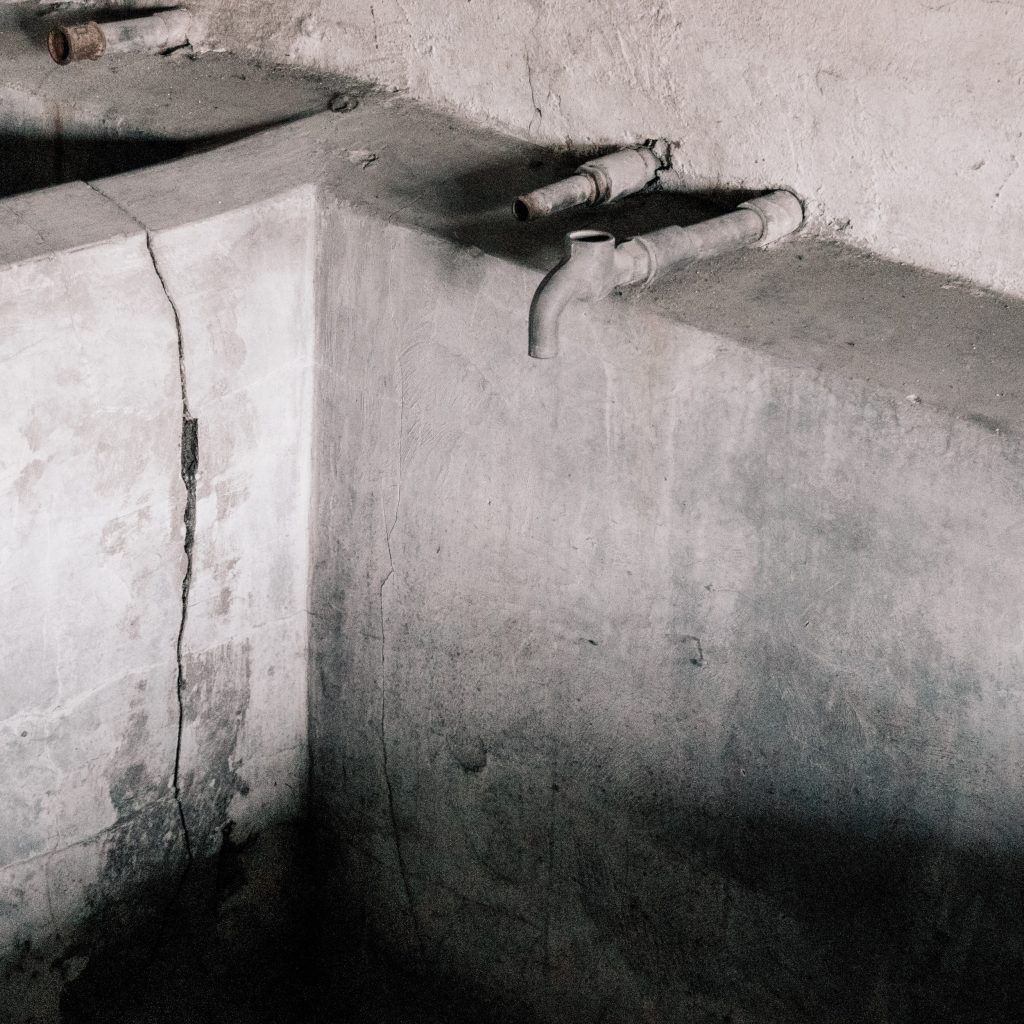
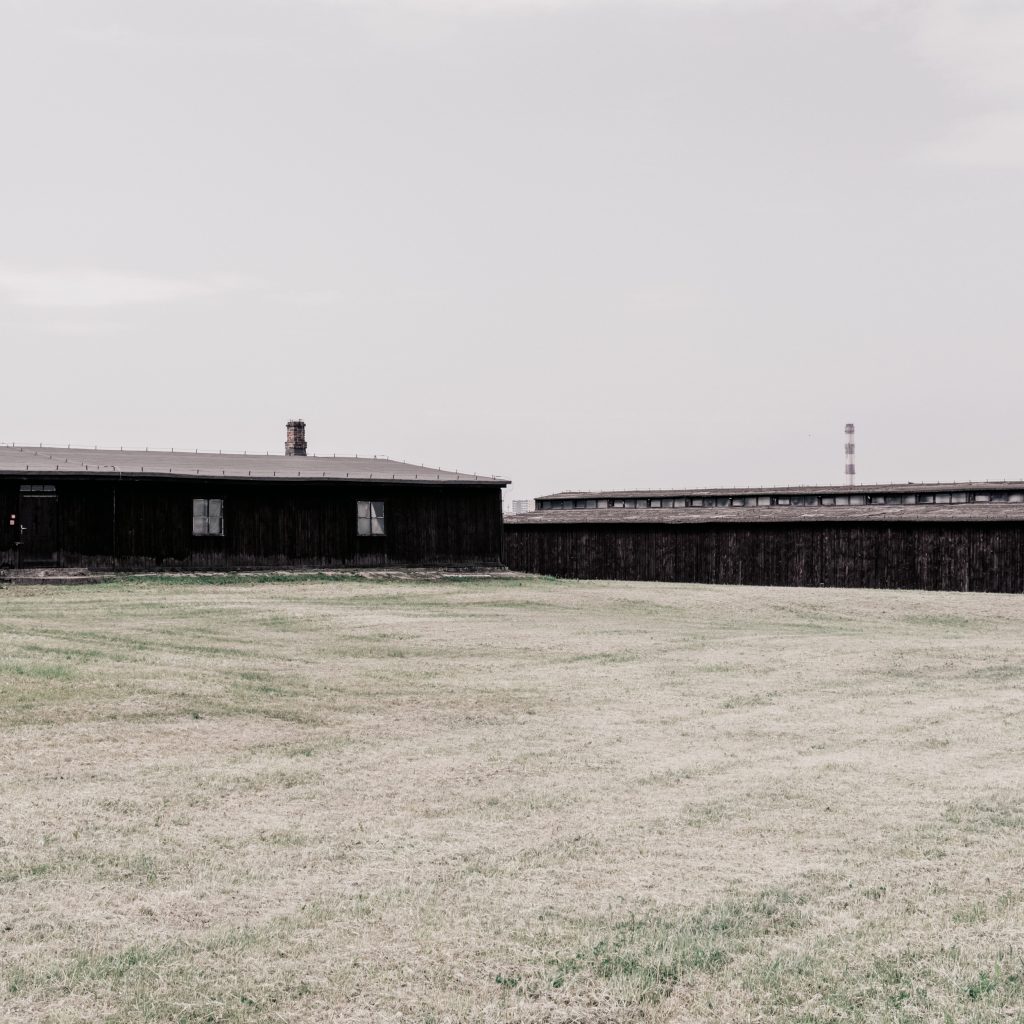
I remember going in and my foot sinking into the ground and my father had to pick me up and carry me because it was impossible to walk. That’s the conditions these people came to from their regular homes: a camp with mud and barracks. The mattresses were straw and the latrines were outside on a platform with buckets and cut-out holes. The water was limited, the food was limited.
This I got from my father’s tape, I was a little over four so I don’t remember the people getting sick but on my father’s tape he said there was a lot of illness because there was no sanitation. You couldn’t dry your clothes because it was the rainy season and so hygiene in that camp was awful. My father, because he was a teacher, helped take care of the teenage kids there. After four months they were told there’s another camp that’s opening at Rivesaltes.
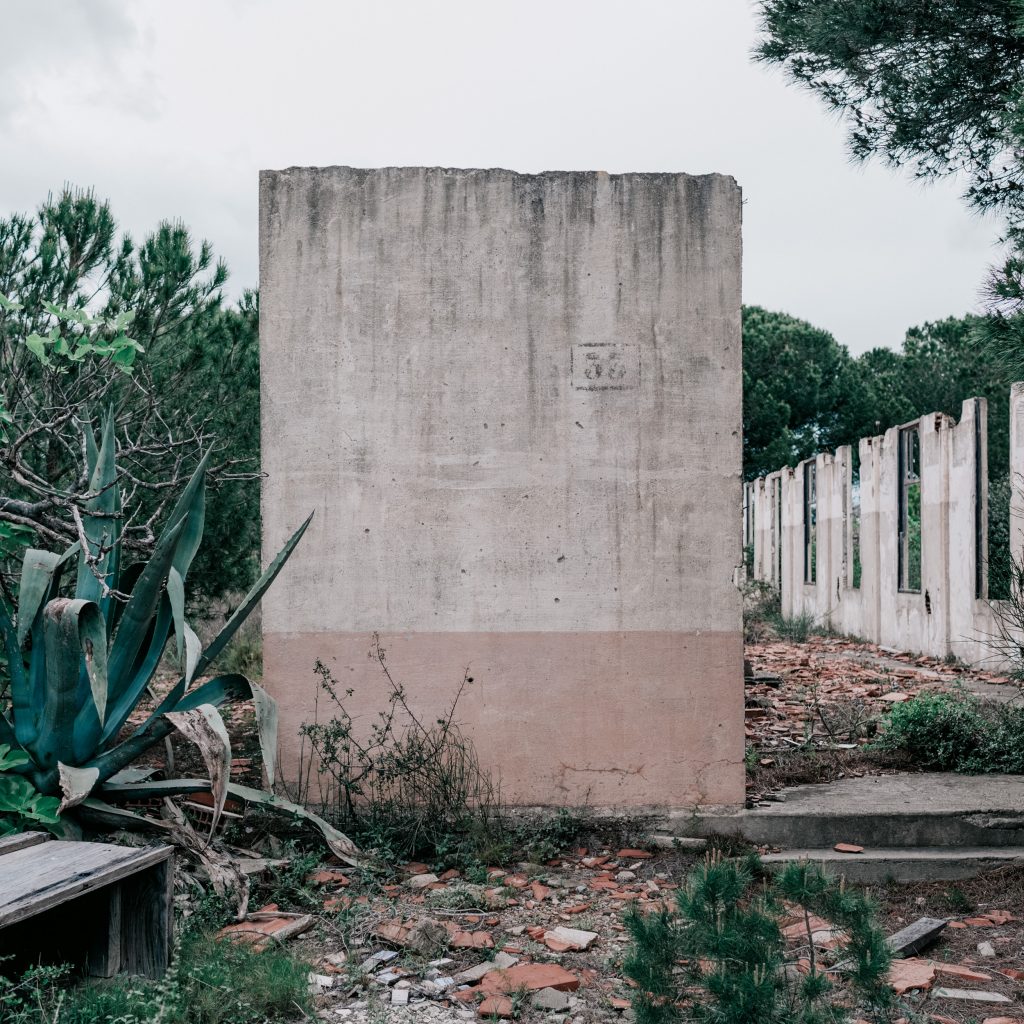
They said people with families should go there, it’ll be better for people with families. So my parents and a lot of others with children left Gurs and went to Rivesaltes. Unfortunately, my mother’s parents and the older generations of sisters and brothers stayed in Gurs so they were separated, which hurt my mother.
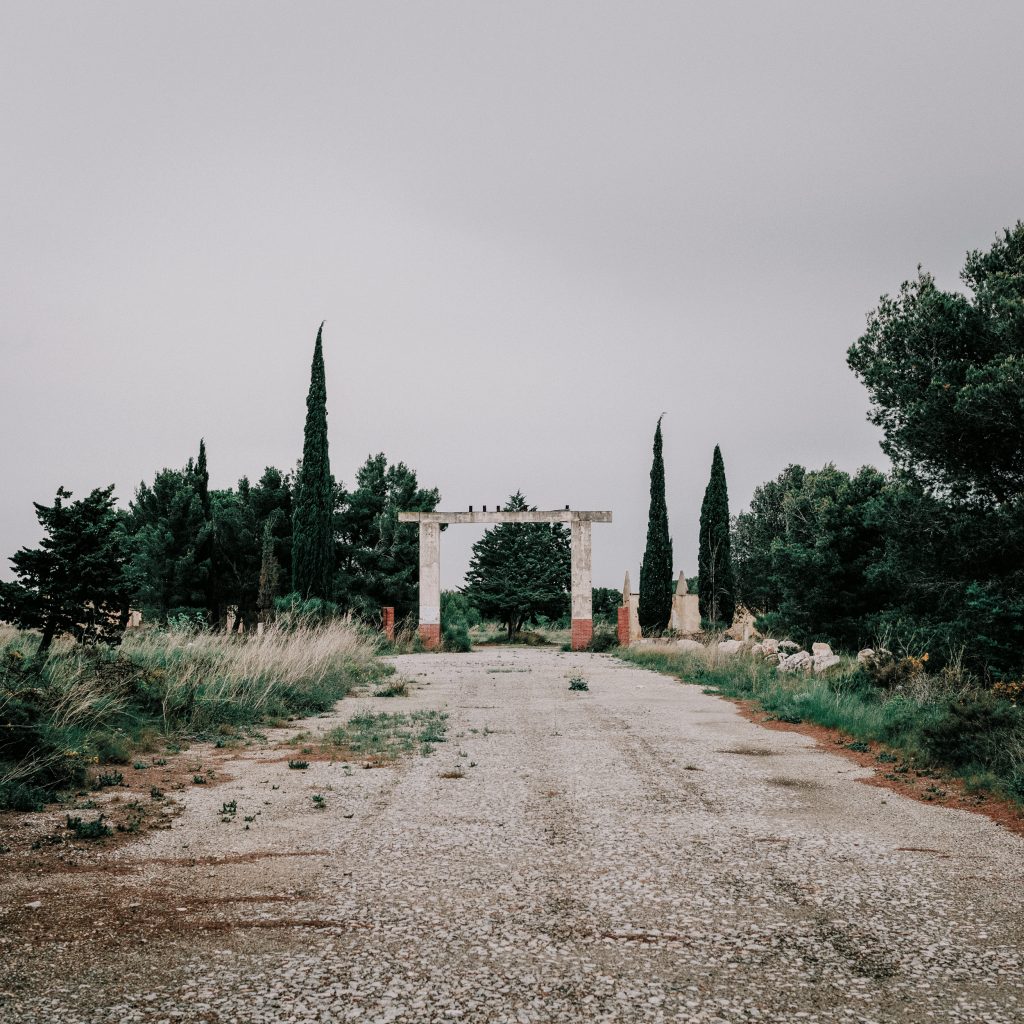
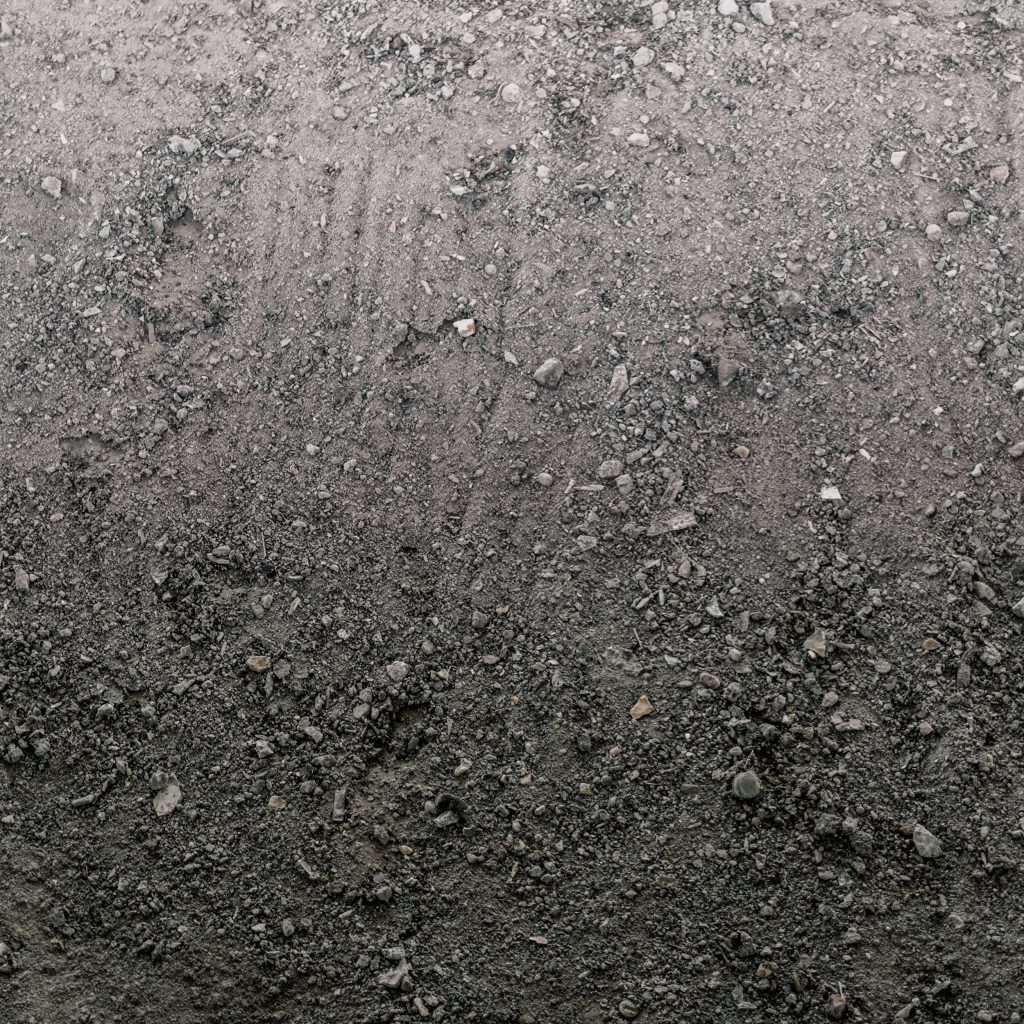
We get to Rivesaltes and it’s just as bad. Instead of mud there were tiny stones and strong winds that blew the stones into people’s faces. And the same conditions with the toilets: buckets underneath that people had to drag at the end of the day. I contracted an infectious disease and had to be separated from my parents.
I was in the same room with my mother. There were 6,000 or more people in a camp that was set up for way less. The barracks were jammed with people right next to each other. If anybody was sick, [there was a] good chance that the person next to them would also get sick. My father talked about fleas, and the vermin.
So, the conditions were not idyllic. I was in Rivesaltes for a little over a year and a few months. My mother at the time took care of the young kids of kindergarten age and below and I was among the children. I do have a picture of my mother and the kids in that place.
My first real memory was at Rivesaltes, going into the mud and being separated. I think that was traumatic for me because when I was sick they could only look at me through the window.
There were a lot of organisations who helped, specifically the kids, including the Swiss Red Cross, the Unitarians and the Quakers. The men and the women’s barracks were separated by barbed wire. My mother was working in the children’s barrack and this girl, Jacqueline Levy, was working for the Unitarians. They got to know each other and there was a point after a year where there were rumours that the Jews were be going to be deported.
This was late July or August of 1942. They didn’t know where they were going to be taken but they were hearing rumours that the transports were coming. My father, having been in Dachau, said, “I’m not going any place else. We have to get out of here. We cannot go on any transport.” My mother had always said that if we ever needed to escape or hide there’s a little opening in the roof of the barrack.
Jacqueline Levy, who was French-Jewish and from the unoccupied part where they weren’t yet rounding up the French Jews, said we’d better make plans to escape. So they went into the ceiling. Jacqueline brought them food at night for about ten days. Then she told them, “You need to escape tonight. You need to get out immediately.”
But before this, when they had started hearing the rumours, they decided they would have to give up their daughter because I couldn’t come with them. My father says it happened really quickly, where they gathered me up and said, “You’re going to be going with these people and we’ll see each other really soon and you be good and brave and we’ll just see each other soon.”
There was a tearful parting because I had never been separated from them before. It was a shock to me – all of a sudden to be given away to somebody I didn’t know.
One day we were told to move out and Jacqueline Levy said, “I’ll give you an address of people who might help you. It’s a few towns away. You have to get there and maybe they can help you.” So I was gone.
My parents were going to make their escape. They asked another woman who spoke fluent French to go with them, which was lucky for them as they didn’t speak French fluently. So early at sunrise they made their getaway.
And my father said it wasn’t really the getting out of the camp, it was that the Jews had no place to go. Even if they got out of the camp, they had no ID and no place to go. They made their escape early in the morning in the dark and they had decided that if anybody asked them, they would say they were tourists and they wanted to see the sunrise from the castle.
A man said hello to my father. He said, “I’m a guard at Rivesaltes. I went to the library that you organised; that’s where I saw you.”
My father and mother panicked. They had to tell him where they were going and their plan and, to their amazement, he said, “Sit next to me on the train and if anybody boards the train, I will tell them I’m a guard at Rivesaltes and you’re under my supervision.” They said the train was stopped and he did exactly what he had said and he got them safely to Montpellier, where they were supposed to be.
For two or three months, they were hidden by various people. They were supposed to have a priest who would help them, but the priest had already helped a lot of Jews and said he was being watched and was in danger himself so he couldn’t help anybody right then.
At that point they were hidden in different places and finally a young boy came and said he would take them to smugglers. They lived in a village up in the mountains and they said, “We do this for money, we get paid for this. How much money do you have?” They didn’t have any money with them, so my parents said, “Just give us the route, we will find it ourselves.” One of them said, “You can come but when we get to the border you’re on your own. We will show you the way but we’re not getting you across.”
That’s how they got into Switzerland and then the men were separated from the women. The first thing my mother did was try to find me. There had been a worker at Rivesaltes whom my mother knew, so she tried to contact this worker to see if she could help.
The person who headed the refugee camps was a woman about my mother’s age, maybe a little older, and she wanted to help her. I think she, along with my mother, were able to find this worker at Rivesaltes and through the woman they were able to find me.
I was living in this château [the Château des Avenières, a children’s home run by the Swiss Red Cross] for about a year and a half. When I’d arrived there, Ruth, who had worked for the Swiss Red Cross at Rivesaltes and who knew me, was the director. When I first came I was very unhappy, I cried a lot, I kept to myself, I didn’t want to play with the other kids.
I was about five and a half and had never been separated from my parents and I felt they had abandoned me. They had told me we were going to be reunited soon and, months later, they still hadn’t picked me up so I was really upset. They changed my name from Anya, which was my German name, to the French-sounding Ronja. They told me from now on I’m going to be Ronja and to never ever tell anybody I’m Jewish. “Bad things will happen. Do not say you’re Jewish.”
One night, some kids were asking me which religion I was. I’m remembering I can’t say I’m Jewish but nobody told me what I should say I was. I heard one of the little kids say Christian and I thought, ‘okay, I’ll say the same thing.’
One day Ruth called me to her room and I figured I was going to get scolded. She picked me up and told me they’d found my parents. At that point, I was happier that I didn’t get scolded than that they had found my parents.
She wrote to my mother and told her they’d try and reunite us. A few months later, they put me on the back of a bicycle, told me to hold on and took me down to the Swiss border to a house. They told me to stay there for a few days and, if anybody came, to hide under the bed because there were border patrols to the houses.
I was there for a few days and played with a child who was older me. Then one day they said, “This is the day you’re going to meet your parents.” They took me to a place on the border and told me to play ball with this little girl and at a signal she would throw the ball really high in the air over my head and my job was just to run after the ball, not worry about catching it, just run as fast as I could and not to look back.
And I did what I was told and a man met me on the other side. I remember he had a uniform and he took me home and waited for further instructions. They took me to my parents whom I was mad at; I didn’t want to talk to them.
They spoke to me in German and I had been talking French for a year so I pretended I didn’t understand them. But that only lasted a few short days because then a doctor had to examine me to see if I was healthy. They discovered a black spot on my lung and thought it was tuberculosis. So I was put into a sanitarium in Leysin where I stayed for 15 months. So again, at six and a half, I was separated from my parents.
My father came to visit me, my mother came a few times. By this time my mother was pregnant with my brother Michael.
When it was time for me to be released I thought I was going to go to them. The Swiss émigré service said that they would rather I lived with a Swiss family, rather than in a refugee hotel, because I’d been sick and the hotel environment was not good.
The woman in charge of the refugee hotel interceded and wrote to the Swiss émigré service to say it they also needed to consider my mental health. So they sent me to my parents, who lived in a little town in Switzerland. I went to school for six months in a little one-room schoolhouse with a lot of other kids of different ages. They taught me how to sew.
The camp director’s mother was a social worker or a foster mother and had taken in other children. She lived in another town in Switzerland; the school was bigger and certainly better and she would provide home cooked meals.
My parents reluctantly agreed that I should go there and I was used to living with other children already. The camp director’s mother was already taking care of two little boys, their names were Eddie and Guy, one was a foster child, not a refugee. The third one may have been a little refugee girl. I went to live with the camp director’s family. From what I understand some directors were really nice and some were not so nice, but my parents had made a special relationship with this woman and she was one of those women who are angels on earth.