Simon Malkes
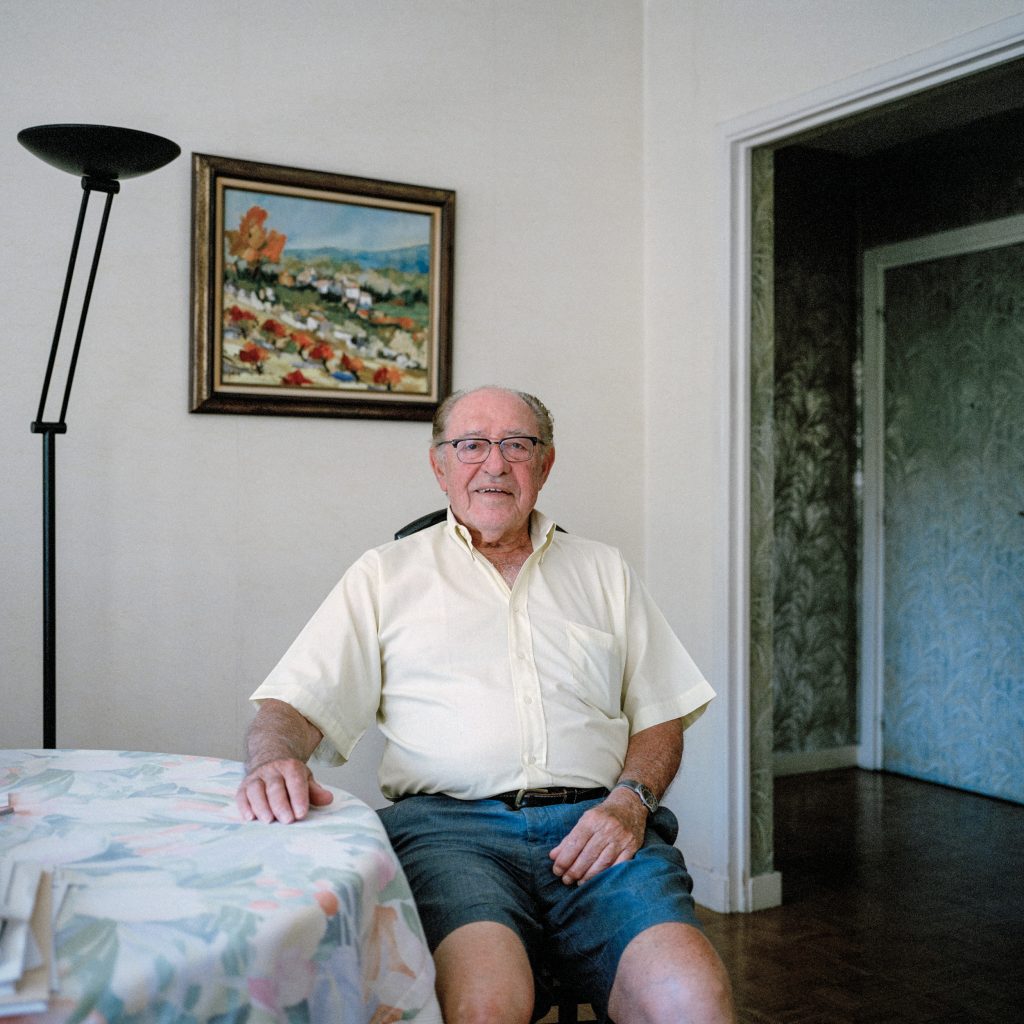
Simon Malkes (b.1927). Paris, France. 27 June 2018.
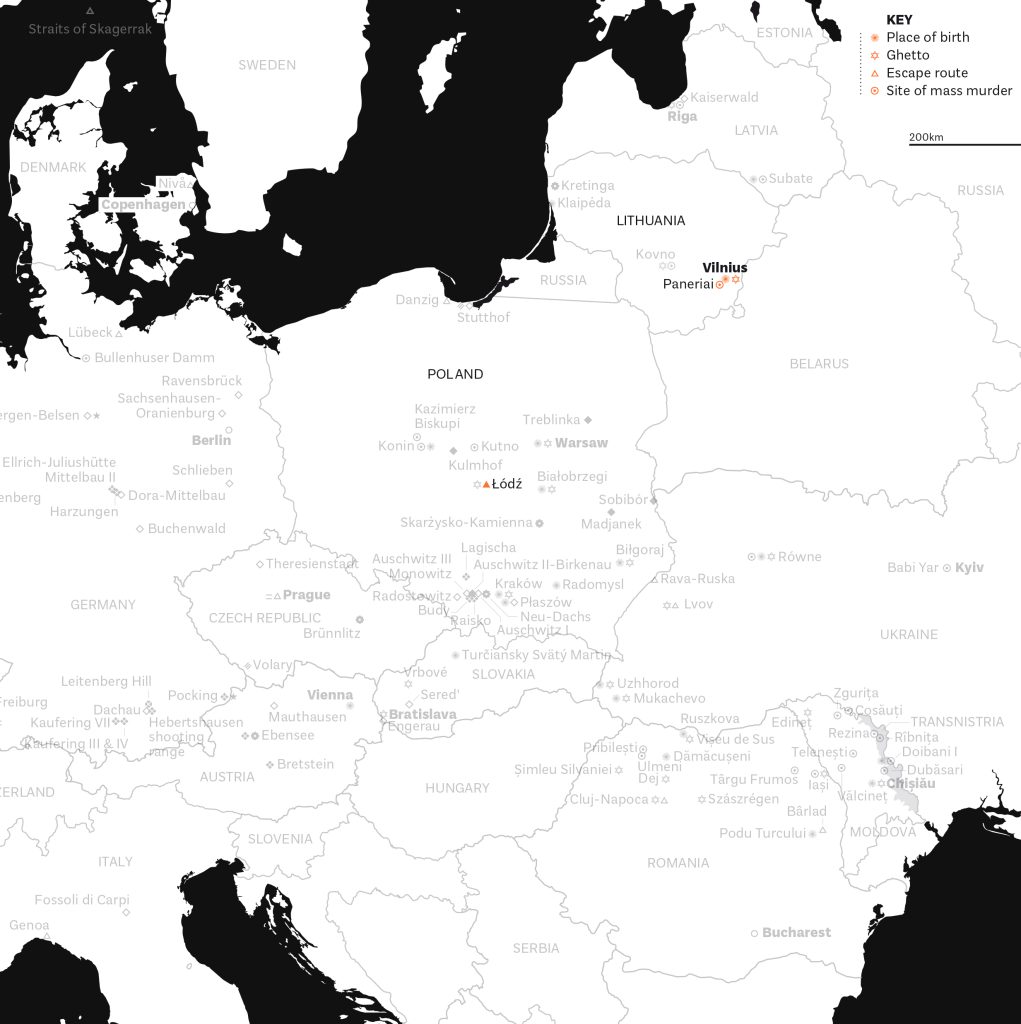
I was born in Vilna, now Vilnius, the capital of Lithuania. I was born in 1927 and in 1939 the Russians entered Vilna and after the agreement between the Soviets and the Germans. My father had an electrical factory in a small city called Polshani and also made shoes. To the Russians he was a capitalist, so they put him in jail where he spent two years. The Russians told my mother she had to leave the city so she took a horse and cart and travelled to Vilna.
She rented a small apartment; I was about 12 years old at this time. We did not have a lot of money because my father had put most of it into the business. She tried to buy and sell clothes and somehow we survived.
My father was released from jail and came back to Vilna. I did not recognise him because he was very slim; his trousers were falling down and held up by string. The Germans were looking for people who could work. In Vilna the Germans had a factory where military vehicles were repaired and, as he was an electrician, he worked in this factory. By that time I was 14 or 15 and so I started to work alongside him. I learned how from my father and his friends how to do the work.
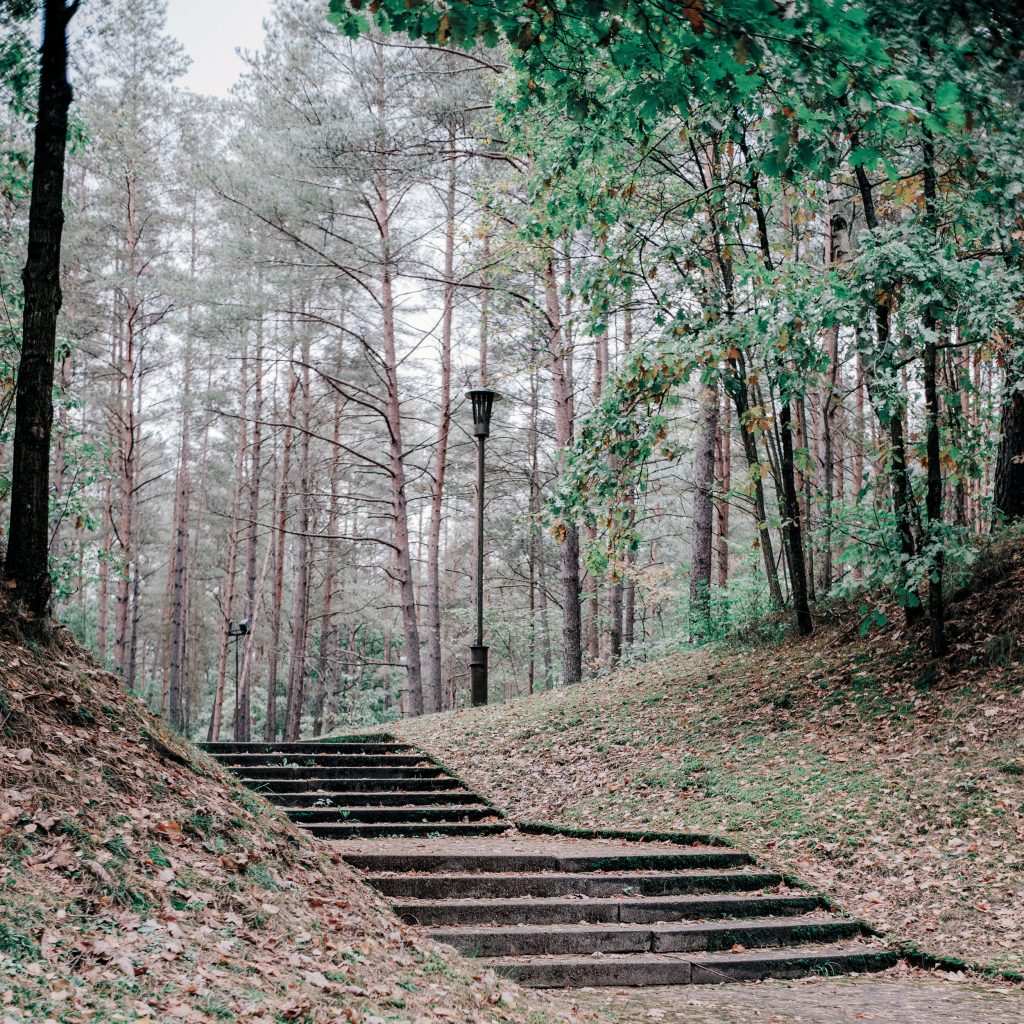
A lot of Lithuanians worked for the German Gestapo and the SS. In the streets they would chase down Jews and take them to jail. When the jails were full, the Lithuanians and Germans took the Jews to a forest located 10 km from Vilna known as Ponary.
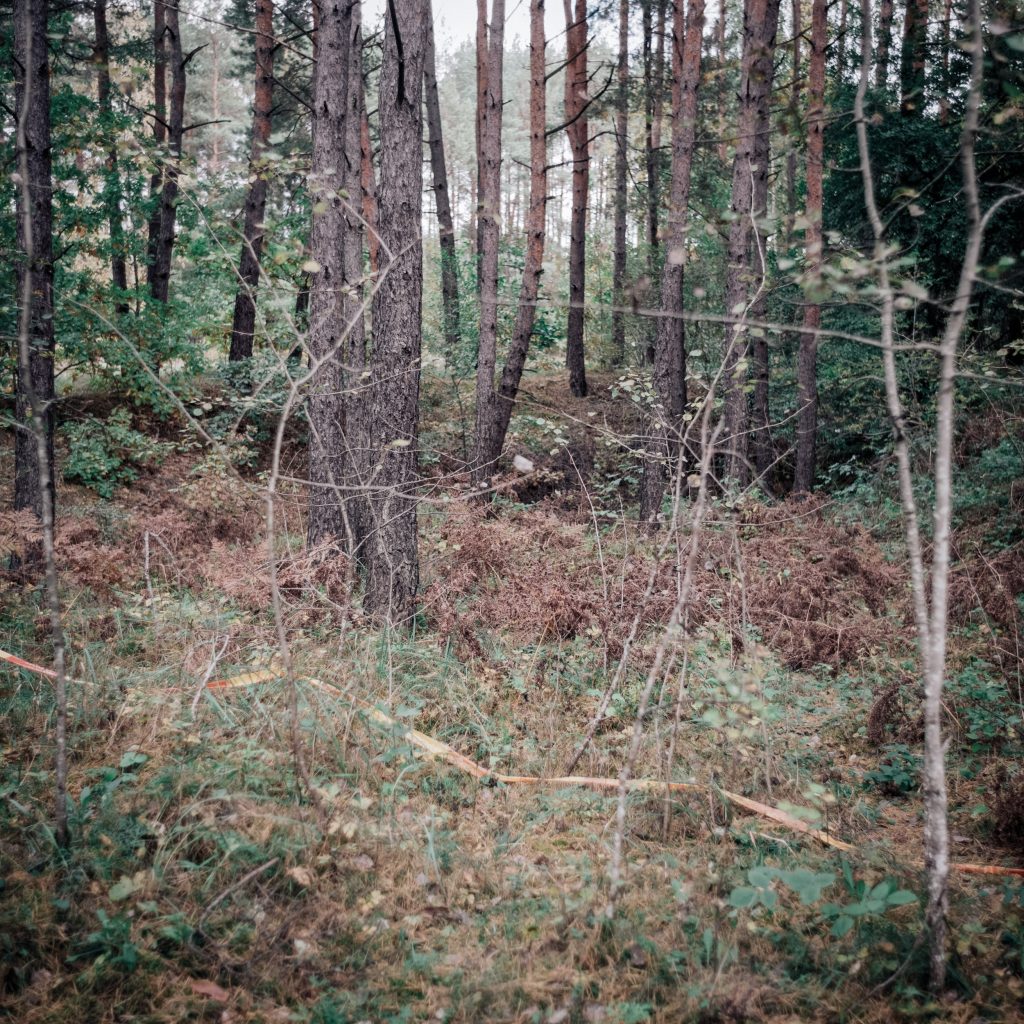
There were huge holes in the ground previously dug by the Russians. The Germans filled these huge holes with murdered Jews. This lasted for two or three months: Lithuanians and Germans chasing Jews in the streets; men, women and children taken to Ponary and murdered.
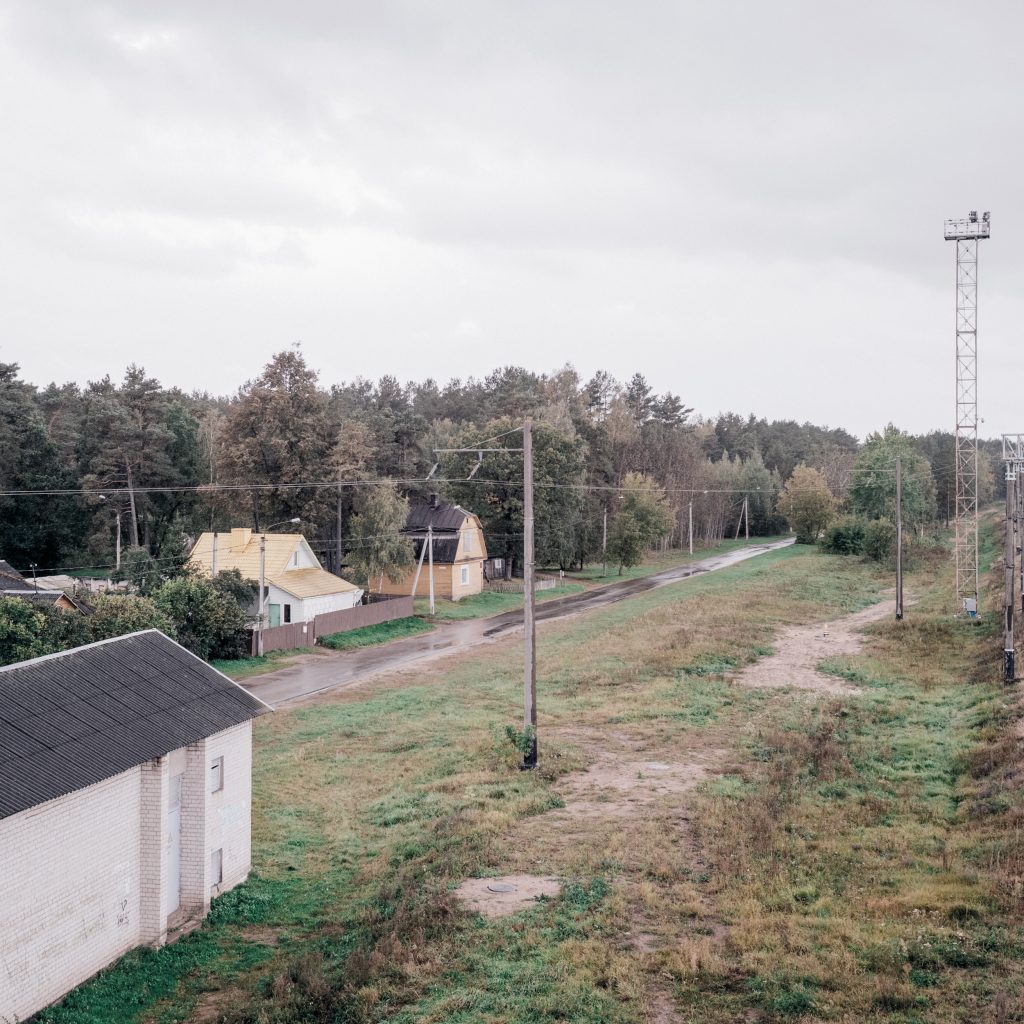
As we were working for the Germans we received a pass, and they did not touch anyone with this identity card. My mother stayed at home and every morning we went to workshops which were managed by Karl Plagge, a German officer. He was the engineer managing all this. In other places Jews were abused but in [HKP 562 forced labour camp], the Jews were treated correctly .
We didn’t know why. Later we understood. It was like this for three months but after that a sign went up saying that two Germans had been killed by Jews and so they created two ghettos. Vilna was knows as the ‘Jerusalem of the north’ because 35% of the city’s population was Jewish. 65,000 Jews lived in Vilna and there were synagogues and schools where the children learned to speak Yiddish and Hebrew.
After two or three months of killing, 25,000 had already been murdered, and roughly 40,000 were left, so the Germans created a large ghetto with 30,000 Jews and a small one of 10,000. The small ghetto lasted for about a month until all its inhabitants were killed. The place that my mother had rented was in the big ghetto. We did not move from our house but we could not stay there alone so five more people were put in with us. There were two older people and a young man who was a policeman in the ghetto and also his fiancée; she was beautiful. And there was another guy: he was a chess player and he taught me how to play chess.
We were going out to work every day. From time to time the Germans entered the ghetto to take away those who didn’t have passes. Slowly the number of people in the big ghetto was reducing. This went on until 1942 or 1943. The Germans needed workers so for some time it was quiet. It lasted like this until 1944.
In 1944, the Russians advanced, with the help of the Americans and the Allies. We learned this from listening to the radio and thought that soon we were going to have a problem because when the Germans had to retreat they would kill us all. At the beginning of 1944, as the Germans were retreating from the east, they decided to liquidate the ghetto. There was a group of young people who decided to fight against the Germans, to not to be killed like sheep. The head of HKP heard news of the ghetto being liquidated. He went to the local head of the SS and said he could not work without the Jews, Russians and Poles. Plagge was told to take the Jews and their families, about 1,200 people, and put them in two huge houses. We moved from the ghetto to the HKP buildings: one room for the three of us.
Two weeks later, the ghetto was closed and surrounded by the Germans with the help of Lithuanians and Ukrainians. The young men were sent to Estonia to work while the older people and the children were killed. Some people escaped and went into hiding. During the night some of them came to HKP and from them we learned what had taken place in the ghetto. We realised that Plagge, the engineer, was a good person even though he was a member of the Nazi party.
My father and his friends were sure that eventually they would kill us when they left Vilna so he built a hiding place in a basement. The entrance was under a baker’s oven which moved on rails. In early 1944, my mother was taken ill and needed an operation. My father talked the manager of our workshop who said he would talk to Plagge, who in turn said not to worry, that he would take my mother to the city hospital. Then he said that they [the Germans] could not stay in Vilna any longer because of the Russian advancement and that they would have to move west. He added he would like to take us all with him but could not do this however the SS knew how to take care of us. This was a signal for us, to tell us what was going to happen. On that same day we entered a hiding place; it was built for 12 or 15 people but, as many people knew about it, we were 37.
Everybody entered, the door closed and we stayed overnight wondering how long we would have to stay there. In the morning we heard the Germans shouting “Alles raus!” – everyone out! The people who did not have a hiding place went down and, of course, were taken to Ponary to be killed; they included 200 children. The Germans could tell that people were hiding so they started to search for. As they could not find them they gassed the building. Some people were killed between the two blocks. Our friends that had a hiding place under the roof saw everything. We heard everything.
We stayed in the hiding place for three days without food and with very little air. One guy went crazy and stabbed my father and a woman. After four days we couldn’t stay there any longer. About ten of us decided to go out so during the night we opened the trap door and walked along the two huge blocks into a field, staying there for another 24 hours.
In the morning, from far away we heard some shooting. My father said we would go to the hospital where my mother was. We got to the hospital – we were dirty, we were hungry. When we got there, my father said we were looking for Frau Malkes and the lady there understood what was going on. We stayed in the hospital for another week and then the Russians arrived. We were kissing their hands, we were eating with them. We could not stay in the hospital any longer so we went to a Polish lady and asked if she could rent us a room. We said we did not have any money but that as soon as we saw our family we would get some money to pay her. In the meantime, we went back to the two blocks to see if we could find some of our belongings but, of course, there was nothing there.
Two weeks later my cousin from Moscow arrived. Our life started again: he gave us money and we paid our rent. We stayed in Vilna like this with the Soviets for another six months. My mother’s sister, who lived in Rovne, now in the Ukraine, had escaped to Russia. We were free but had nothing so my mother’s sister and her family came back, my father’s cousins who had been sent to Siberia also returned.
We decided we were not going to stay in Vilna and that we would go to Poland, to Łódź, because it had not been bombed out. My aunt’s family had two brothers who were going to Belgium. Some cousins said they were going to go to Israel. We decided to stay in Poland.
After five years of study, I went to Germany to finish my engineering and in the meantime my parents received a visa to go to Mexico. One of my mother’s brothers in Belgium had gone to Mexico because his wife had family there. And from Mexico my parents got a visa for Paris.
They couldn’t speak a word of French and didn’t have any money. They suggested I come to Paris to join them so I went there in 1952. I could not speak French either but I went to school for a month then started working.