The family of Yair Ebelson
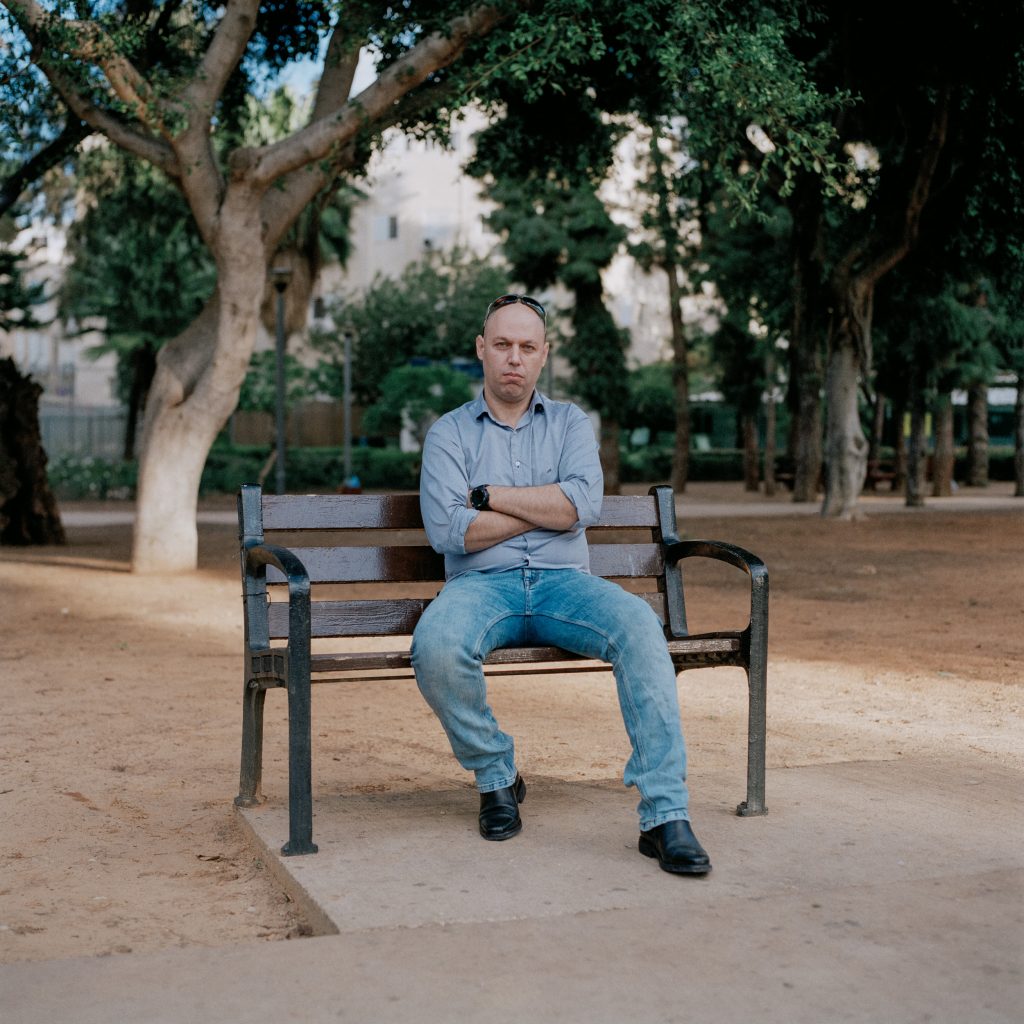
Yair Ebelson. Tel Aviv, Israel. 7 December 2017.
In my house, there was no talking about the Holocaust. I mean, I knew most of my family was murdered by the Nazis. I knew we were descendants of those few who survived the inferno. I knew bits here and there about my murdered family. Every detail I did have was not directly from the source but from my parents. I never managed to address this topic with my grandparents, even while working on the Yad Vashem [digital] projects back in 1998. I was scanning and typing in all the memorial pages filled by people after the Holocaust and over the next 50 years, commemorating those who perished in the Holocaust so they will endure. As absurd as it may be, and even though my mother and her parents came to Israel as early as 1966, it was only at this time that my mother sat down with my grandmother to fill out the same memorial pages – some 50 years after the war had ended. My grandfather passed away at 1982 from one of the illnesses he brought with him from the four years he spent in labour camps during the war.
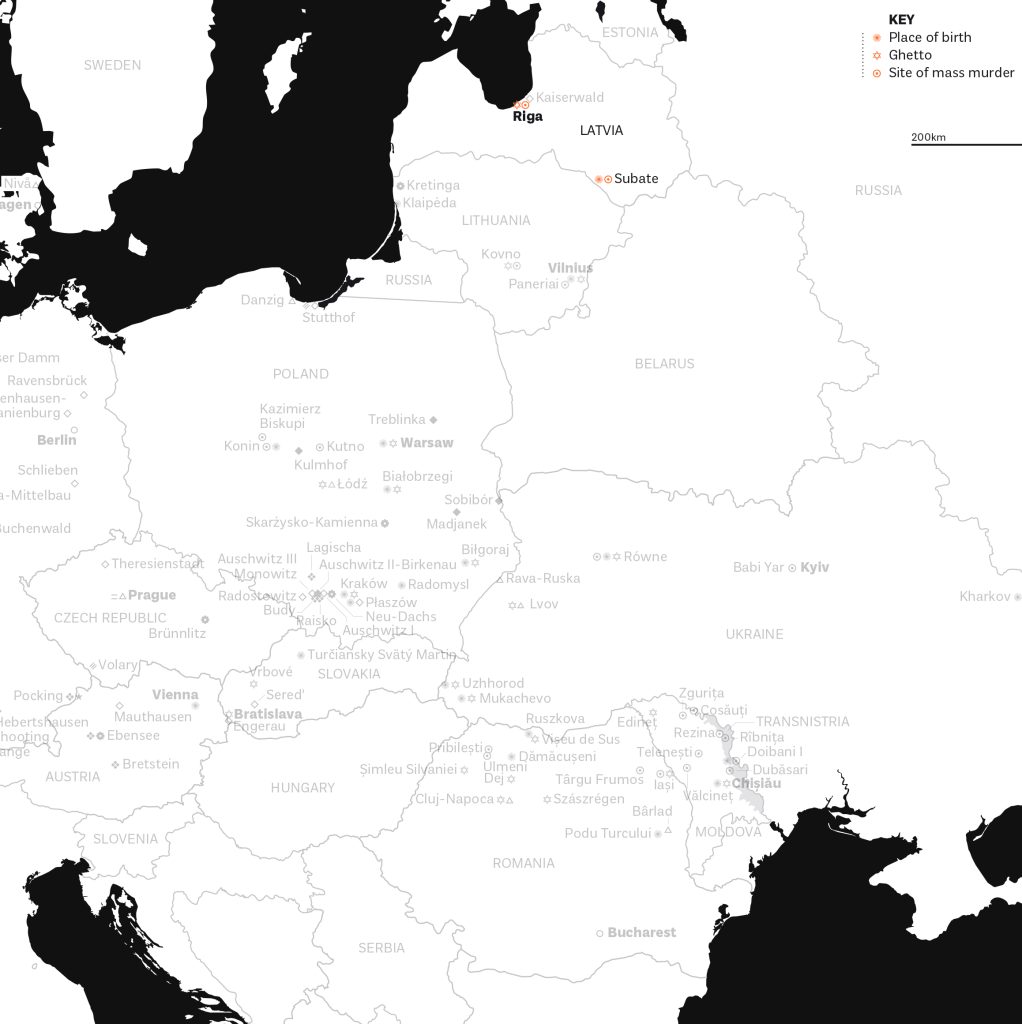
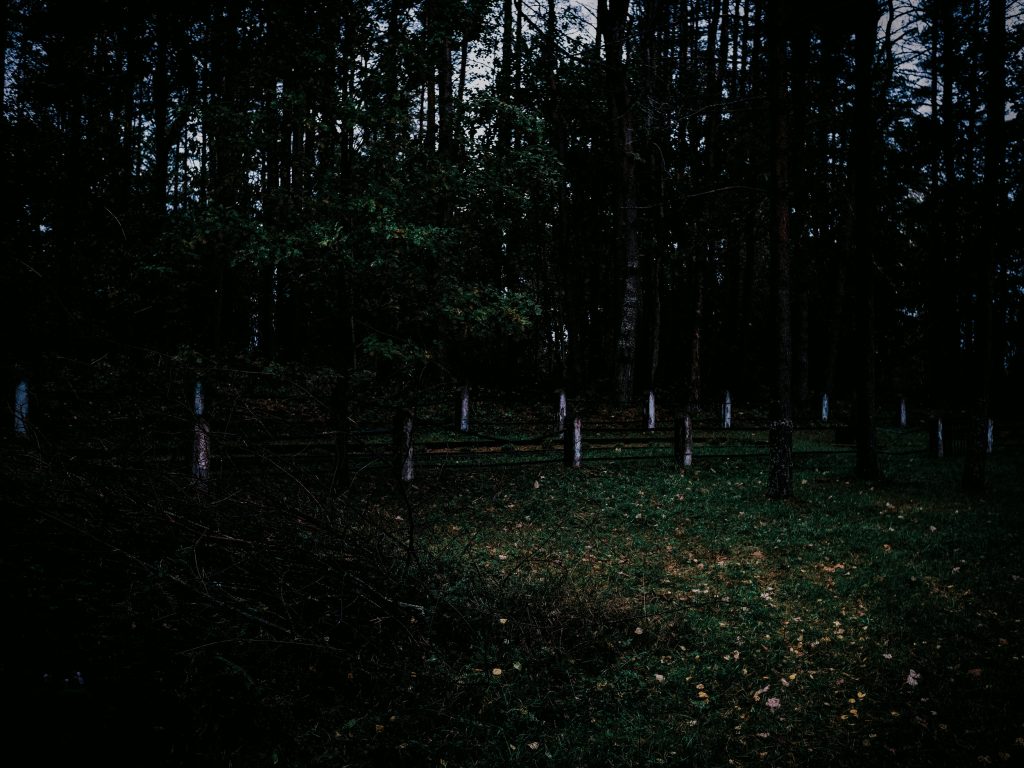
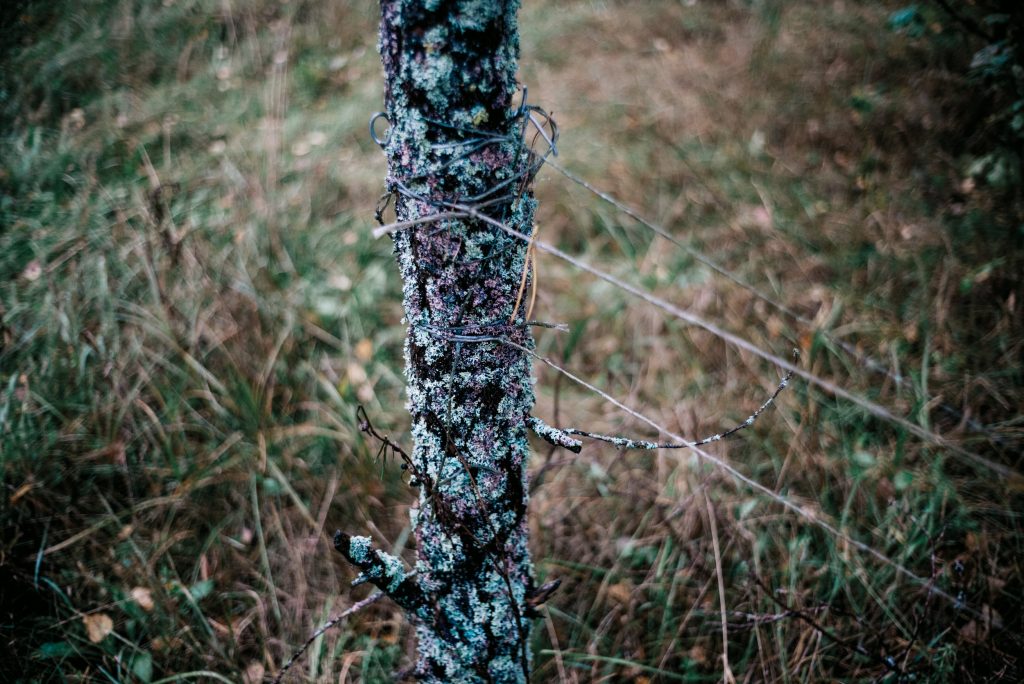
In the year 2000, I visited Latvia with my parents, a reminder trip of the place they grew up. One of the hardest places we visited was a memorial where the Rumbula Massacre occurred [in 1941]. My father was one of the team who built the memorial and he told me about the process. They first dug out all the bones, then a team member who was also a physician sorted them – men, women and children. They buried them in seven separate graves. Three graves for the men, three for the women, and one for the children. 27,000 Jews were murdered in the Rumbula – 26,000 Latvian Jews and 1000 German Jews who were transported there on trains). When the burial was finished they said Kaddish over the mass graves. The Rumbula was the first (and for years, the only) memorial site in the Soviet Union where the word ‘Jews’ was mentioned in reference to the Second World War.
This trip, along with the project I worked on, triggered an intense need in me to study my family’s history. To this day I search for remainders and lost relatives to learn more about my family and my people’s history during that era, probably the darkest era of mankind. The growing availability of information during the past years has given me access to knowledge I could never have attained otherwise. The most important thing is the growing willingness of those who survived to talk, their understanding after all these years that we must never forget and – given that they were the last – that they have to speak up. They have to talk about everything that happened.
Unfortunately my grandparents all died without talking about it to me.
My grandfather, who fought in the Red Army, and reached the rank of major, never told me how he got injured three times during the war. My grandmother never told me that they fled to Uzbekistan, trying to outrun the war, or that she had lost her 18-month-old son due to malnutrition. He would have been my only uncle. On the other side of my family the loss was even greater; neither the death of my grandmother’s first husband in the Red Army nor the murder of my grandfather’s first wife and two daughters were mentioned. They never told me about the brothers and sisters they lost, about their parents, about their friends. They never discussed the Holocaust. They preferred to leave the past in the past and look at the present and the future.
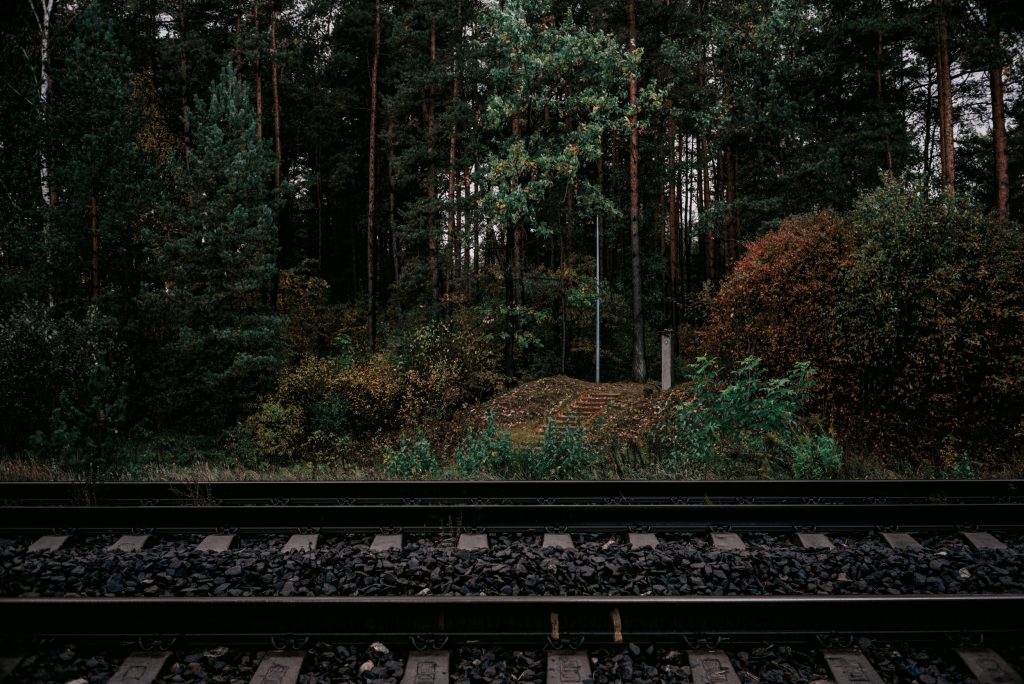
From my mother I learned of the death train my grandmother was on: the last train out of Riga going east towards safety, filled with hundreds of Jews trying to escape hell only to have it chasing them in the form of Nazi airplanes hovering over the train, shooting relentlessly, dropping bombs to try and kill a few more Jude. I learned about her, cramped in the corner of the cart as shards and bullets flew past, and the stops they had to make every few miles to remove the dead from the train. I also learned how she took into her arms a person who had just found out from neighbours that his wife and daughters had been shot to death in the alley beside their home.
From my father I learned about the little shtetl – small village in Yiddish – my grandmother lived in called Subate, where she was born “on the seventh day of Hanukkah” – this is how they measured dates in these places. And of the march of Latvian nationalists into their shtetl, butchering every Jewish person who came across their path, including her three sisters, her brother and her parents. I learned about my grandparents’ escape to Uzbekistan only to have my grandfather drafted to the Red Army, and her not seeing him until the war was over.
My grandfather once showed me all of his “tin cans”, a series of plated medals he got during his service. He didn’t tell me what he got them for. He gave me this look of ‘Eh, what does it matter now? Leave it, it’s not important any more’. And I left it.
I’m mostly sorry I didn’t insist more on sitting down and discussing the past with them. Learn more. Understand them better. I’m sorry I didn’t ask them to tell me about themselves, their families, their homes.
I am now taking part in another important project, taking portraits of Holocaust survivors. I consider every such project of the utmost importance, and that each commemorating project which brings their stories to life and helps us remember and respect them must be maintained and leveraged. Even if we can find it in our hearts to forgive the atrocities that occurred in the darkness and in the great wide open at the same time, we must never forget what happened to these people, to my people.
Yigal Alon [the Israeli politician] once said that a people that doesn’t know its past has a very shallow present and a questionable future. The Holocaust is a great deal of what happened to our people and we must do all that we can to know more and learn about it – and from it.